Outdoor Storage in Moriches, NY: What to Know Before You Store |
| OUTDOOR STORAGE IN MORICHES, NY: WHAT TO KNOW BEFORE YOU STORE
⏱ 11 min read ·
📄 #2,097 words
Learn what to consider before renting outdoor storage in Moriches, NY. Covers pricing, vehicle requirements, security features, and local regulations.
|
O utdoor storage in Moriches, NY includes paved parking spaces for vehicles, boats, and RVs, plus drive-up units ranging from 4x10 to 10x30. Monthly costs run $125 to $595 depending on size, with open parking spaces starting around $125 per month. Before renting, confirm your vehicle is registered and insured, understand what items are prohibited, and verify the facility offers gated access with security cameras.
| Key Points: | |
|---|---|
| • | Drive-up units cost $125 to $595 per month; outdoor parking spaces run $125 to $145 per month |
| • | Vehicles and boats must be registered and insured to store at most Suffolk County facilities |
| • | New York zoning laws often restrict RV and boat storage at residential properties |
| • | Look for gated facilities with LED lighting, security cameras, and paved surfaces |
| • | Coastal weather requires protective covers and periodic inspections to prevent corrosion |
Types of Outdoor Storage Available in Moriches
The Moriches area offers two primary outdoor storage options: drive-up units and open parking spaces. Understanding the difference helps you choose the right solution for your belongings.
Drive-Up Storage Units
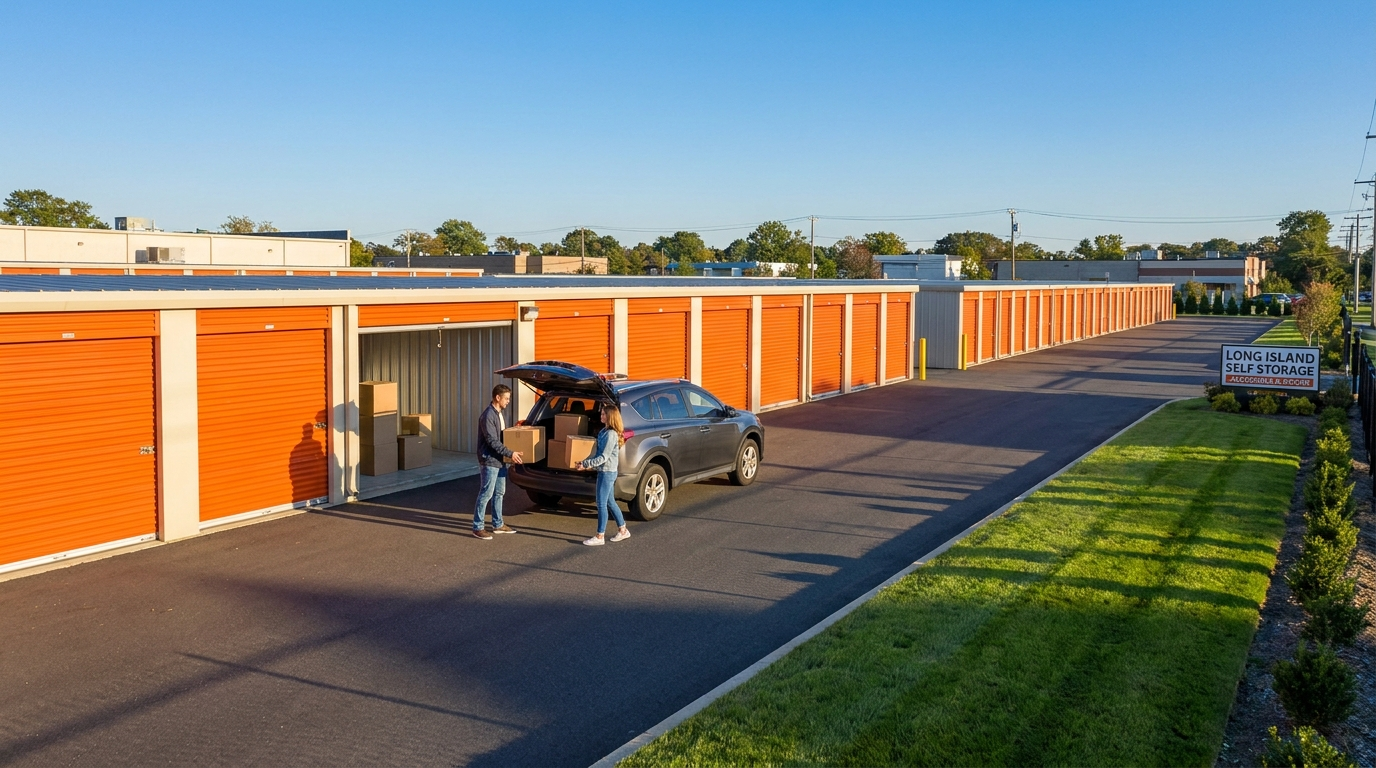
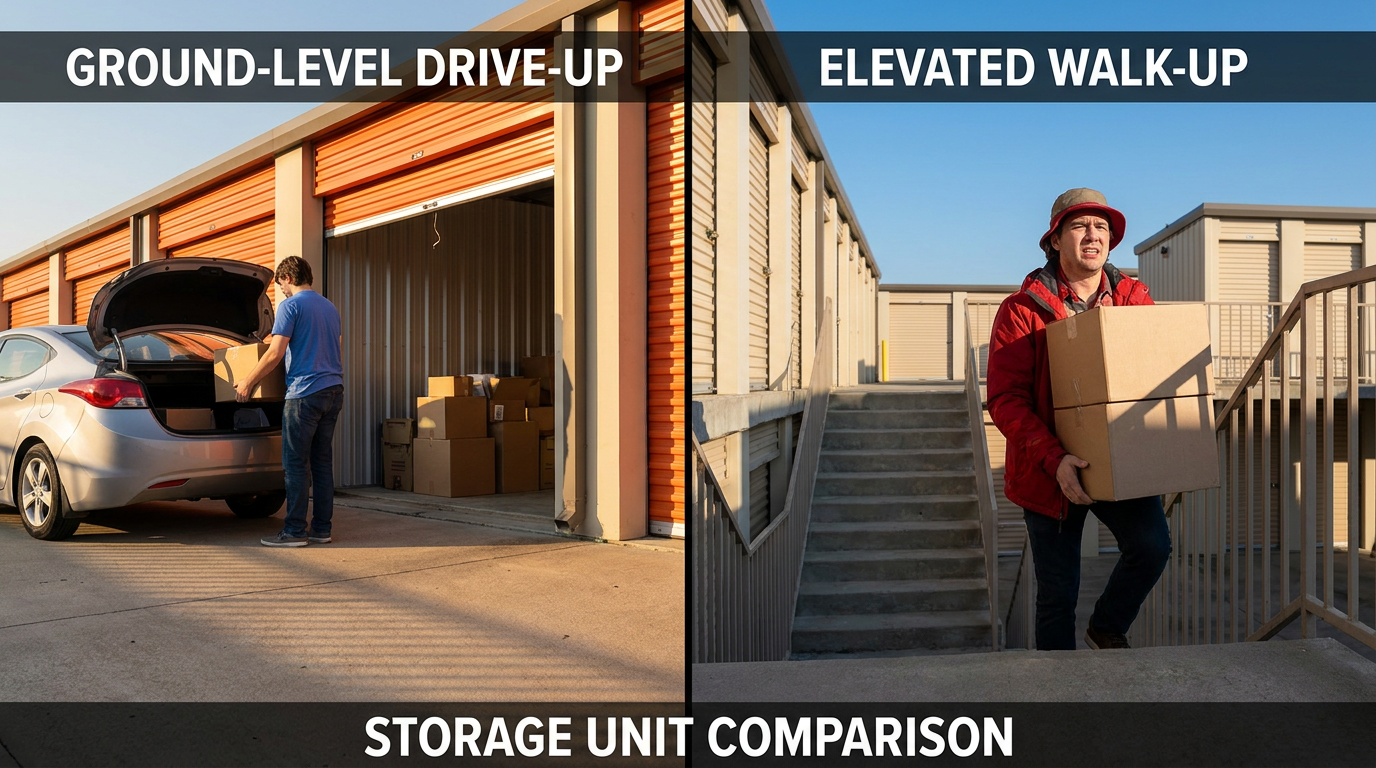
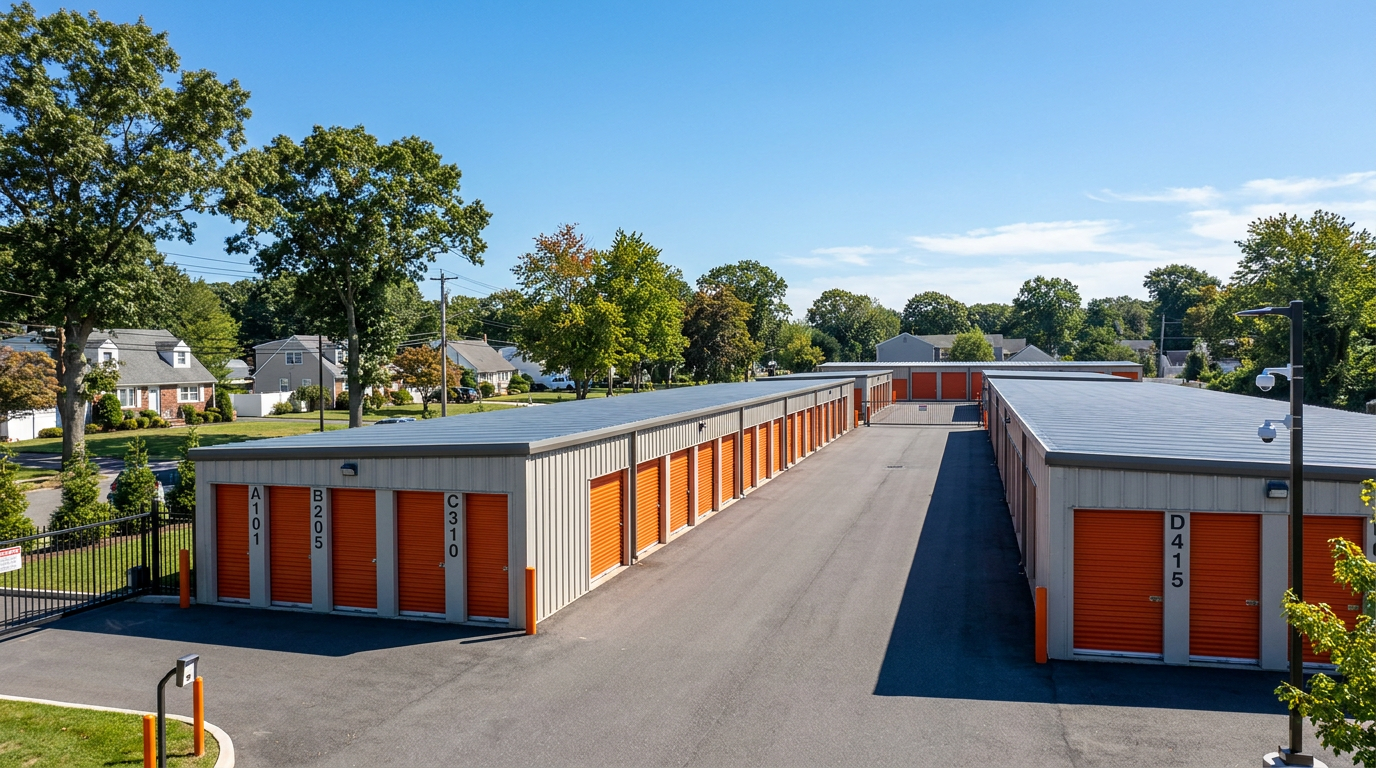
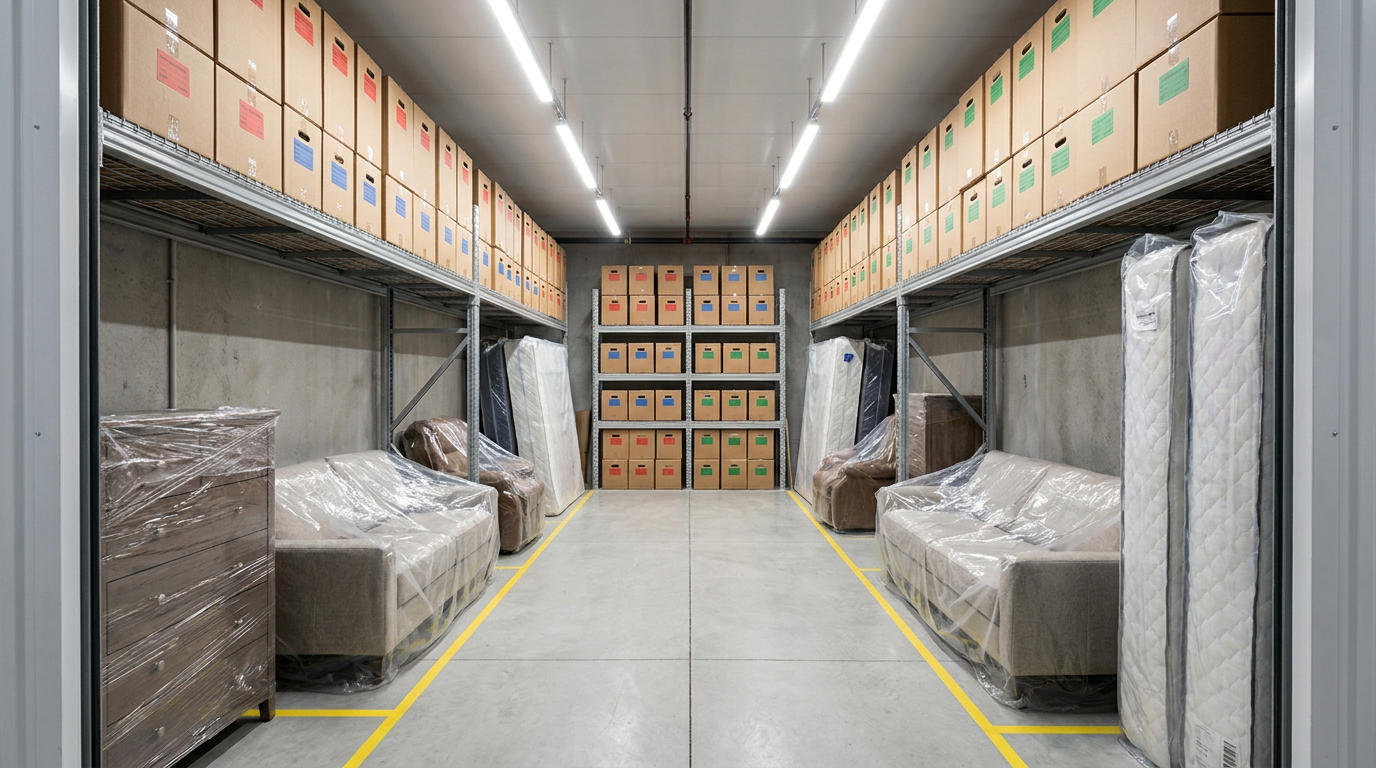
Drive-up units are enclosed metal structures you can access directly from your vehicle. Sizes in East Moriches range from 4x10 (40 square feet) to 10x30 (300 square feet). These units work well for household items, business inventory, seasonal equipment, and smaller vehicles like motorcycles. According to local storage guides, drive-up access eliminates the need to carry items through hallways or use elevators.
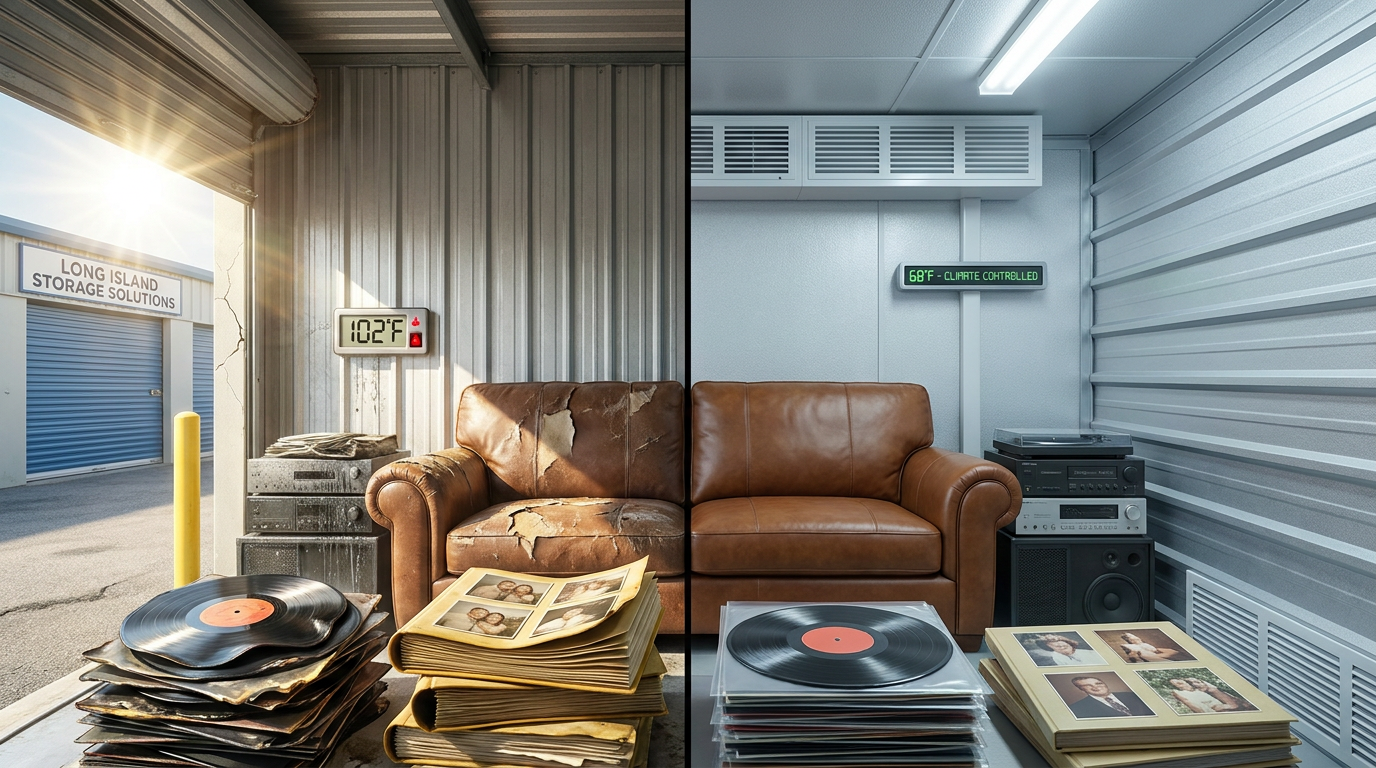
Most drive-up units in the Moriches area include interior lighting and roll-up doors. They are not climate controlled, which means temperatures inside fluctuate with outdoor conditions. This setup works for durable items but may not suit temperature-sensitive belongings like electronics, artwork, or leather furniture.
Open Parking Spaces
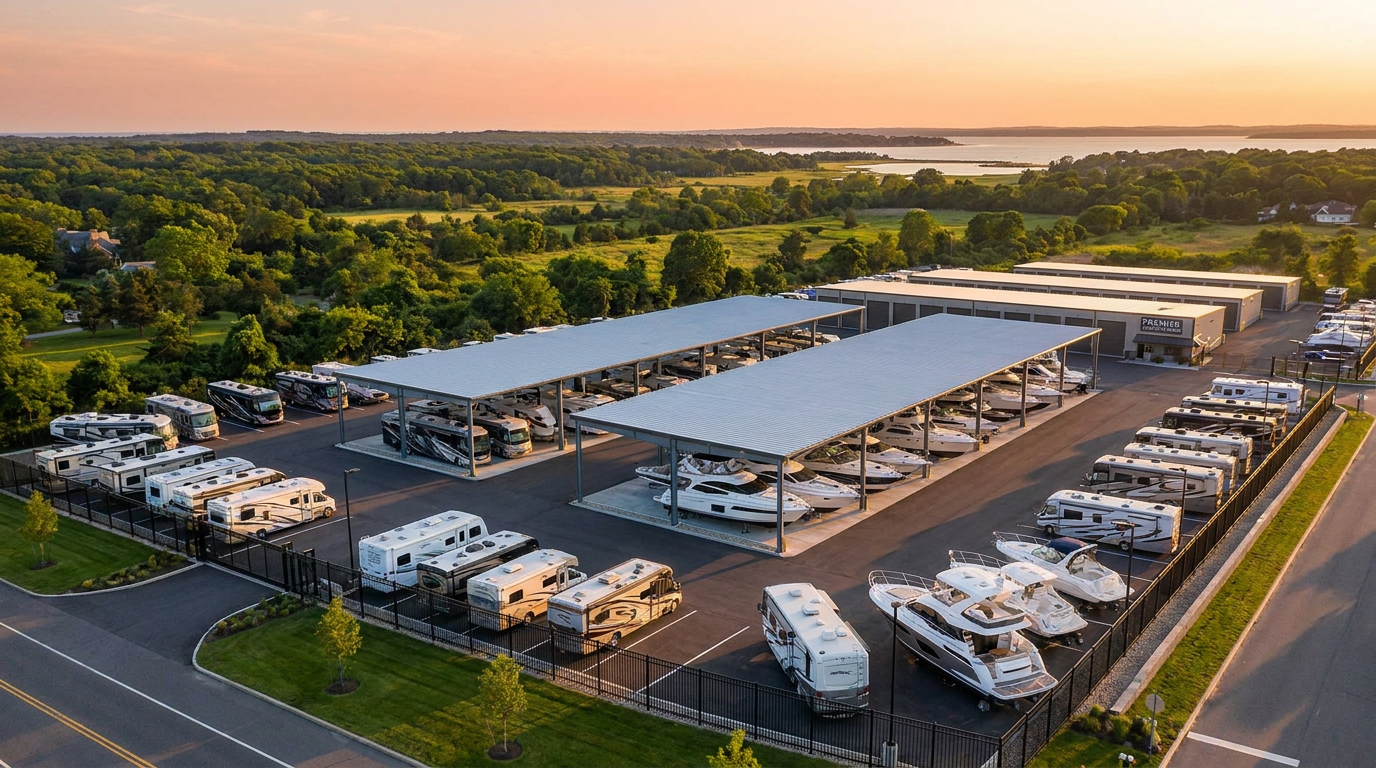
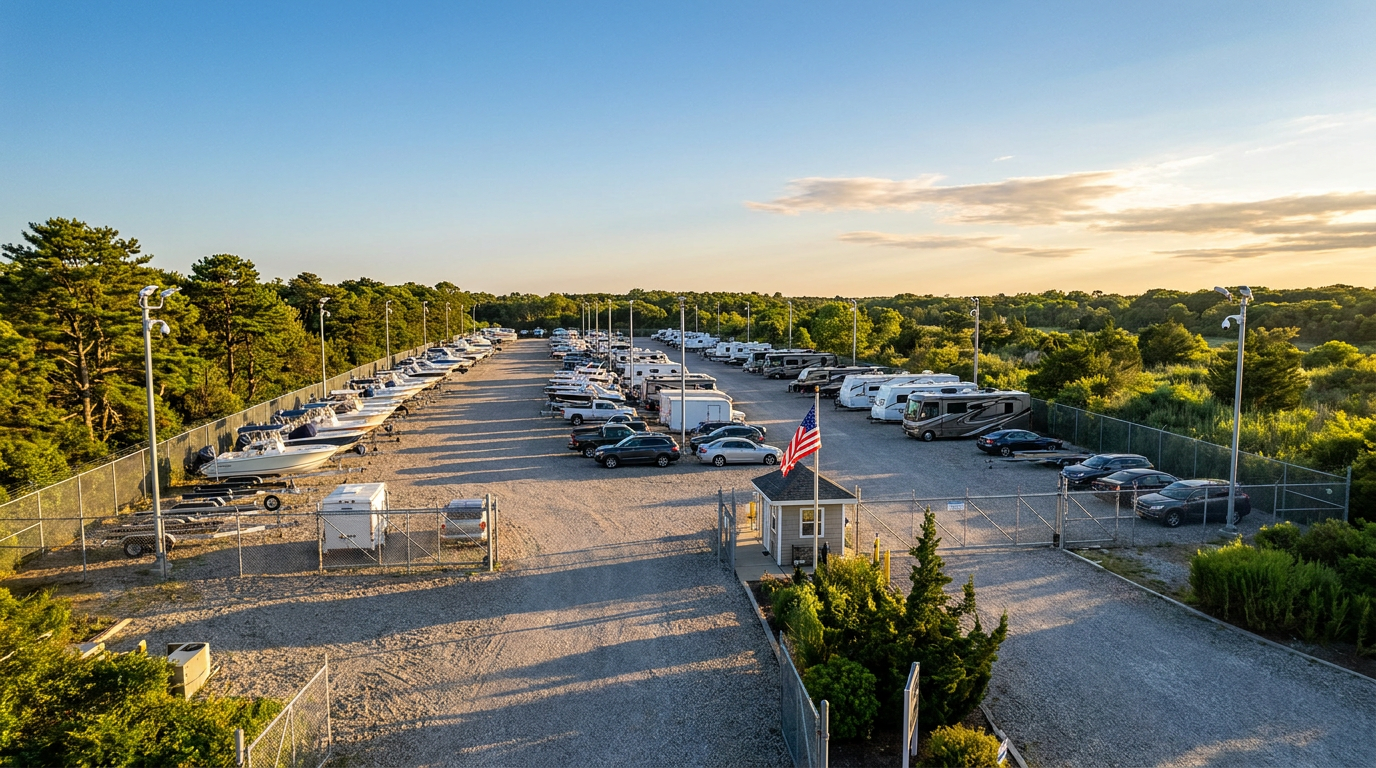
Open parking spaces accommodate cars, trucks, boats, RVs, trailers, and other vehicles. Common sizes include 12x20 (240 square feet) and 12x30 (360 square feet). A 12x20 space fits most sedans, small SUVs, and boats under 20 feet. A 12x30 space accommodates Class C RVs, larger boats, and utility trailers with room for maneuvering.
These spaces are typically paved and uncovered, meaning vehicles remain exposed to weather. Some facilities offer covered options, though open-air parking remains more affordable.
Outdoor Storage Pricing in Moriches and East Moriches
Storage costs vary based on unit size, location, and amenities. The table below shows typical monthly rates for outdoor storage options in the Moriches area, based on regional pricing data.
| Storage Type | Size | Monthly Cost | Best For |
|---|---|---|---|
| Drive-Up Unit | 5x5 | $125 | Boxes, seasonal items, small furniture |
| Drive-Up Unit | 5x10 | $155 | One room of furniture, appliances |
| Drive-Up Unit | 10x10 | $235 | Two rooms, small business inventory |
| Drive-Up Unit | 10x20 | $375 | Whole home contents, vehicles |
| Drive-Up Unit | 10x30 | $595 | Large inventory, multiple vehicles |
| Open Parking | 12x20 | $125 | Cars, small boats, motorcycles |
| Open Parking | 12x30 | $145 | RVs, large boats, trailers |
Month-to-month leases provide flexibility without long-term commitments. This arrangement suits seasonal users who need boat storage from October through April or RV storage during winter months. Check our storage unit size guide to compare dimensions and find the right fit.
Vehicle, Boat, and RV Storage Requirements
Storing vehicles at a self-storage facility involves specific requirements that differ from storing household goods. Most facilities in Suffolk County enforce these rules to maintain safety and comply with local regulations.
Registration and Insurance
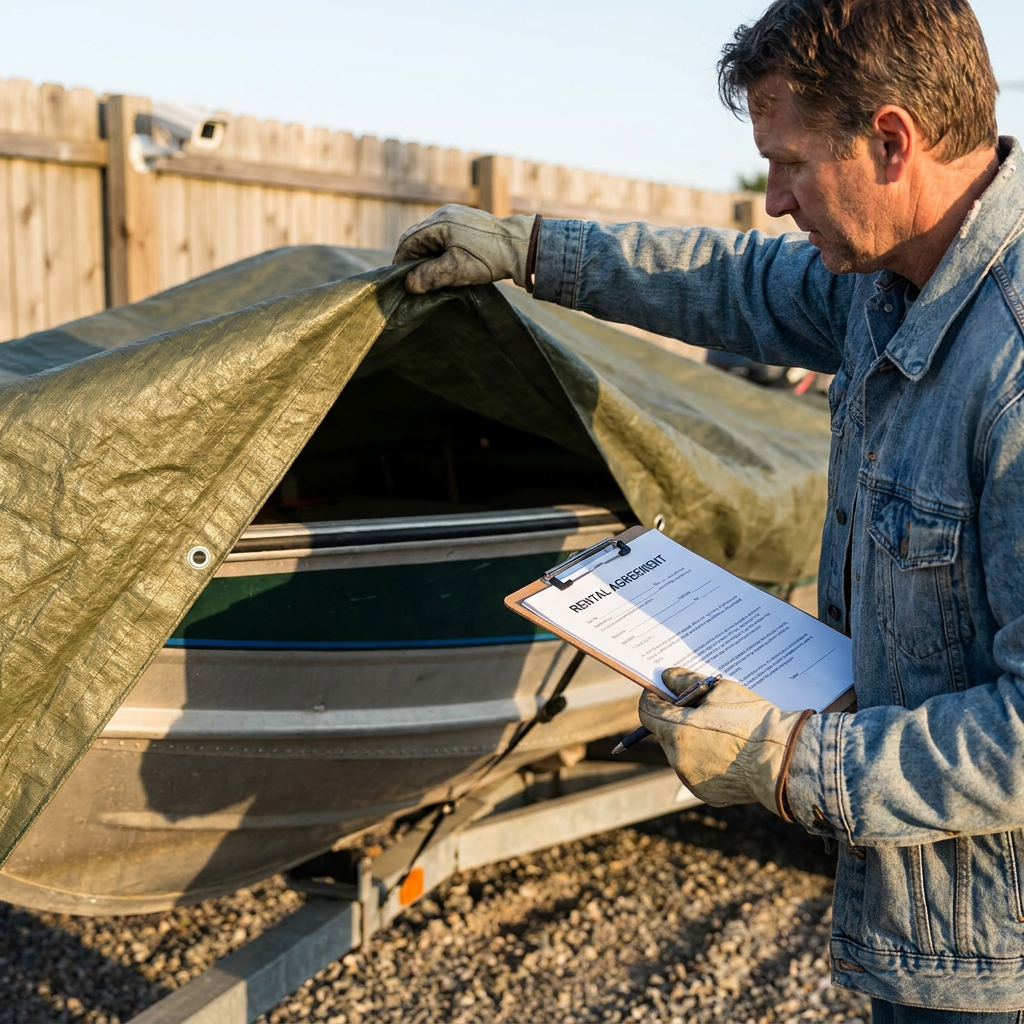
Facilities typically require proof of current registration and insurance for all vehicles, boats, and trailers. This includes cars, motorcycles, RVs, and watercraft. According to industry guidelines, unregistered or uninsured vehicles pose liability risks and may violate facility policies.
Vehicles must be operable and free of significant fluid leaks. Storage facilities are not junkyards; they cannot accept dismantled vehicles, vehicles with missing wheels, or those that cannot be moved under their own power or by towing.
Fuel and Safety Restrictions
Fire codes limit the amount of fuel stored on commercial properties. Most facilities require fuel tanks to be no more than one-quarter full. Propane tanks on RVs should be turned off and, in some cases, disconnected. Gasoline cans, extra fuel containers, and other flammable materials are typically prohibited.
Living in vehicles on storage property is not permitted. This includes sleeping overnight in RVs, campers, or converted vans. Facilities monitor for this activity and will terminate leases for violations.
Local Zoning Rules for Outdoor Storage in New York
Many Long Island residents discover they cannot legally store boats, RVs, or trailers at their homes for extended periods. New York zoning codes and homeowner association rules often restrict outdoor vehicle storage on residential properties.
Residential Property Restrictions
According to New York municipal zoning examples, common restrictions include prohibiting vehicle storage in front yards, limiting the number of unregistered vehicles to one, and requiring vehicles to be parked on paved surfaces rather than grass. Some municipalities ban RV and boat storage entirely in residential zones.
Violations can result in fines ranging from $100 to $500 per day. Code enforcement officers respond to neighbor complaints, and repeat violations may result in liens against the property. Using a properly zoned storage facility eliminates these risks entirely.
HOA Considerations
Homeowner associations in Suffolk County communities like Manorville, Mastic, and Westhampton often impose stricter rules than municipal codes. Common HOA restrictions include banning visible RV or boat storage, requiring vehicles to be stored in enclosed garages, and limiting the duration vehicles can remain in driveways.
Before parking a boat or RV at home, review your HOA covenants carefully. Fines for violations can reach $50 to $200 per day, and repeated violations may result in legal action.
Security Features to Look For
Outdoor storage exposes your belongings to both weather and potential theft. Choosing a facility with robust security measures protects your investment. The locally owned facilities in East Moriches typically offer these protective features.
Access Control and Monitoring
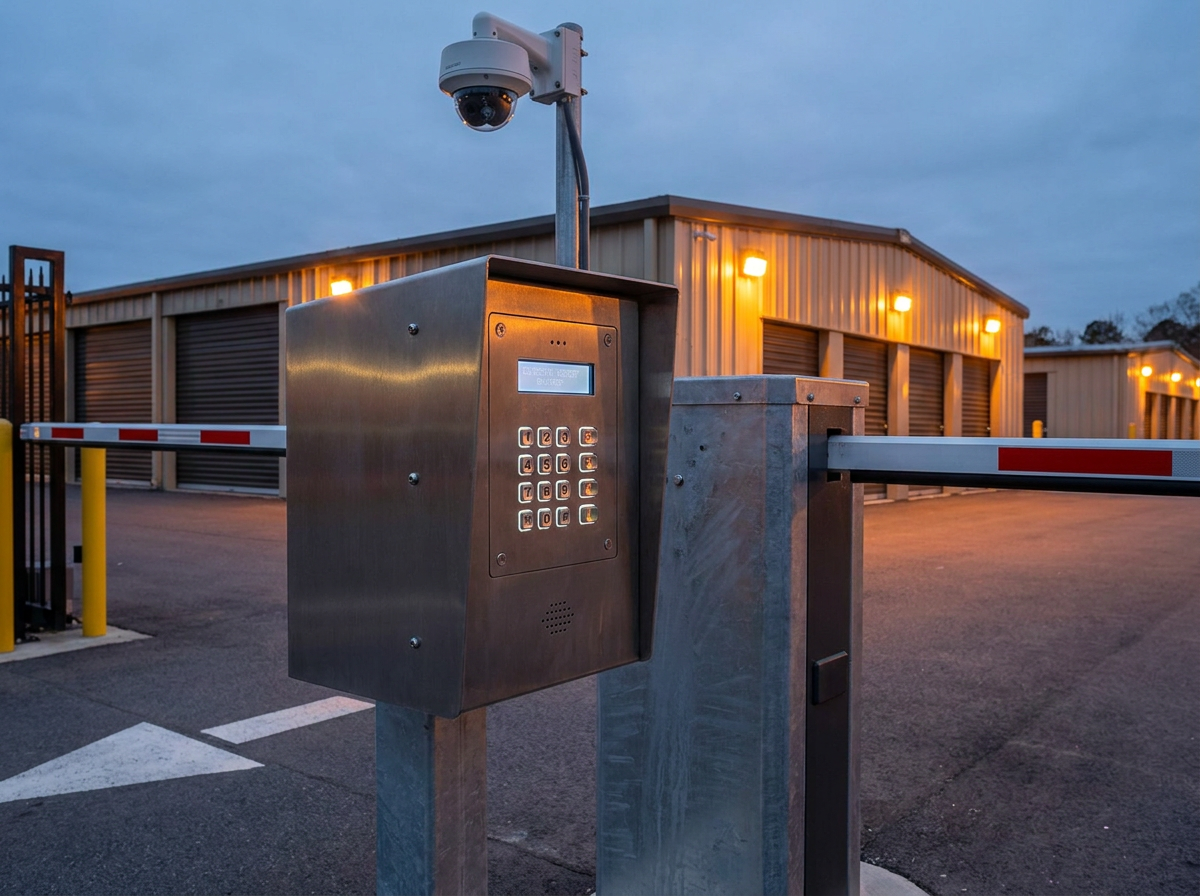
Gated entry with individual access codes prevents unauthorized visitors. Each tenant receives a unique code, creating an electronic log of who enters and when. This deters theft and provides evidence if incidents occur. Security cameras should cover all parking areas, driveways, and unit rows with 24/7 recording.
LED lighting throughout the property improves visibility at night and discourages criminal activity. Studies by the International Association of Certified Home Inspectors indicate well-lit properties experience 30 to 50 percent fewer break-ins than poorly lit locations.
Paved Surfaces and Drainage
Paved lots prevent vehicles from sinking into mud during rain and reduce dust that can damage paint and finishes. Proper drainage prevents standing water that accelerates corrosion on metal components. Gravel lots may cost less but create maintenance headaches and potential damage to vehicles.
Access Hours
Facilities offering 24/7 access accommodate boaters heading to early morning fishing trips or contractors who need equipment before dawn. Restricted hours (typically 6 AM to 10 PM) may work for casual users but limit flexibility. Confirm access policies before signing a lease, especially if your schedule varies.
Coastal Weather Considerations for Suffolk County
The South Shore of Long Island presents unique challenges for outdoor storage. Salt air, humidity, winter storms, and summer UV exposure all affect stored items differently than inland locations.
Salt Air and Corrosion
Proximity to the Atlantic Ocean means salt particles in the air accelerate metal corrosion. Boats, RVs, and vehicles stored outdoors near Moriches, Eastport, Speonk, and Westhampton require more frequent washing and protective treatments. Apply marine-grade wax to vehicle exteriors and corrosion inhibitors to exposed metal components before long-term storage.
Winter Storm Preparation
Suffolk County averages 25 to 30 inches of snow annually, with nor'easters occasionally dropping 12 or more inches in single storms. Ask facilities about their snow removal practices: how quickly lots are cleared, whether tenants can access units during storms, and if any areas remain unplowed.
Winterize boats and RVs before storage. This includes draining water systems, adding antifreeze to appropriate components, disconnecting batteries, and inflating tires to manufacturer specifications to prevent flat spots.
Summer UV Protection
Long Island summers bring intense UV exposure that fades paint, cracks rubber seals, and degrades plastic components. Quality covers rated for UV protection extend the life of boats, RVs, and classic cars. Breathable covers prevent moisture buildup while blocking harmful rays.
Items You Cannot Store Outdoors
Storage facilities and fire codes prohibit certain items from outdoor storage areas. Understanding these restrictions prevents lease violations and potential safety hazards. Review our tenant protection information for details on coverage limitations.
Prohibited Items List
Explosives, ammunition, and fireworks are universally banned. Flammable liquids including gasoline (beyond vehicle tanks), kerosene, propane cylinders, and paint thinner cannot be stored. Hazardous materials such as pesticides, fertilizers, pool chemicals, and automotive fluids are also prohibited.
Perishable items attract pests and create health hazards. This includes food, plants, and animal products. Living things, whether pets, livestock, or plants, cannot occupy storage spaces.
Insurance Exclusions
Even permitted items may not be covered by standard tenant protection plans. High-value items like jewelry, cash, and collectibles often have coverage limits or exclusions. Vehicles may require separate auto or boat insurance policies rather than storage facility coverage. Verify your insurance situation before assuming protection applies.
Frequently Asked Questions About Outdoor Storage in Moriches
What types of vehicles can I store outdoors in Moriches, NY?
Most facilities accept cars, trucks, SUVs, motorcycles, boats, RVs, campers, trailers, and ATVs. Vehicles must be registered, insured, and operable. Commercial vehicles like box trucks and work vans are typically permitted in appropriately sized spaces. Confirm specific vehicle types with the facility before booking.
How much does outdoor vehicle storage cost in East Moriches?
Open parking spaces for vehicles and boats range from $125 to $145 per month for 12x20 and 12x30 spaces. Drive-up units that can accommodate vehicles start around $375 per month for 10x20 sizes. Prices vary by facility, amenities, and demand. Visit our frequently asked questions for current availability.
Do I need insurance to store my car or boat at a storage facility?
Yes. Facilities require proof of valid insurance for all vehicles and boats. Your existing auto or boat policy typically covers the vehicle while in storage, but confirm with your insurance provider. Some facilities offer optional tenant protection plans, though these usually exclude vehicles.
Is outdoor storage safe for boats and RVs in coastal weather?
Outdoor storage works well with proper preparation. Use quality covers rated for UV and weather protection. Winterize boats and RVs before cold-weather storage. Apply corrosion inhibitors to combat salt air. Visit periodically to inspect for damage, check tire pressure, and ensure covers remain secure.
What are the rules about storing RVs at home versus a storage facility?
New York zoning codes and HOA rules often restrict RV and boat storage on residential properties. Common restrictions include front yard bans, limits on unregistered vehicles, and requirements for paved surfaces. Violations can result in daily fines. Commercial storage facilities are properly zoned for vehicle storage, eliminating compliance concerns.
What size outdoor space do I need for my vehicle?
Measure your vehicle's total length and width, including hitches, mirrors, and accessories. Add 2 to 3 feet for maneuvering room. A 12x20 space fits most cars and boats under 18 feet. A 12x30 space accommodates RVs up to 28 feet and larger boats. When uncertain, choose the larger size for easier access.
What security features should I look for in Moriches storage facilities?
Prioritize gated entry with individual access codes, security cameras covering all areas, LED lighting throughout the property, and paved surfaces. 24/7 access allows flexibility but should be paired with robust monitoring. The facility's security infrastructure directly impacts the safety of your stored items.
Choosing the Right Outdoor Storage in Moriches
Selecting outdoor storage involves balancing cost, convenience, security, and your specific needs. For residents of East Moriches, Center Moriches, Eastport, Speonk, Manorville, Mastic, Shirley, and surrounding Suffolk County communities, proximity to Sunrise Highway (NY-27) and Montauk Highway (NY-27A) makes access convenient.
Start by measuring what you need to store and comparing it against available unit and space sizes. Factor in how often you will access your items; frequent users benefit from 24/7 access and drive-up convenience. Evaluate security features carefully, as outdoor storage inherently involves more exposure than indoor options.
Consider the total cost including any required insurance, protection plans, and supplies like locks and covers. Month-to-month leases offer flexibility if your needs may change, while longer commitments sometimes include discounts. Contact local facilities to ask about current availability and any move-in specials.
|