Drive-Up Storage vs Walk-Up Units: Which Is Better for You? |
| DRIVE-UP STORAGE VS WALK-UP UNITS: WHICH IS BETTER
⏱ 12 min read ·
📄 #2,201 words
Compare drive-up and walk-up storage units to find your best fit. Learn which type saves time, protects belongings, and fits your budget on Long Island.
|
D rive-up storage units are better for heavy items, frequent access, and business use, while walk-up units work better for smaller loads, climate-sensitive belongings, and budget-conscious renters. The right choice depends on what you store, how often you visit, and whether temperature control matters for your items.
| Key Points: | |
|---|---|
| • | Drive-up units allow vehicle-to-door loading, saving 2 to 4 hours on move-in day compared to interior units |
| • | Walk-up units cost 10 to 20 percent less than drive-up units of the same size in most markets |
| • | Climate-controlled storage maintains 55 to 80 degrees Fahrenheit, protecting electronics, wood furniture, and documents |
| • | Business customers and contractors choose drive-up units 73 percent of the time according to Self Storage Association data |
| • | Non-climate-controlled units can experience temperature swings of 40 degrees or more between summer and winter |
What Are Drive-Up and Walk-Up Storage Units?
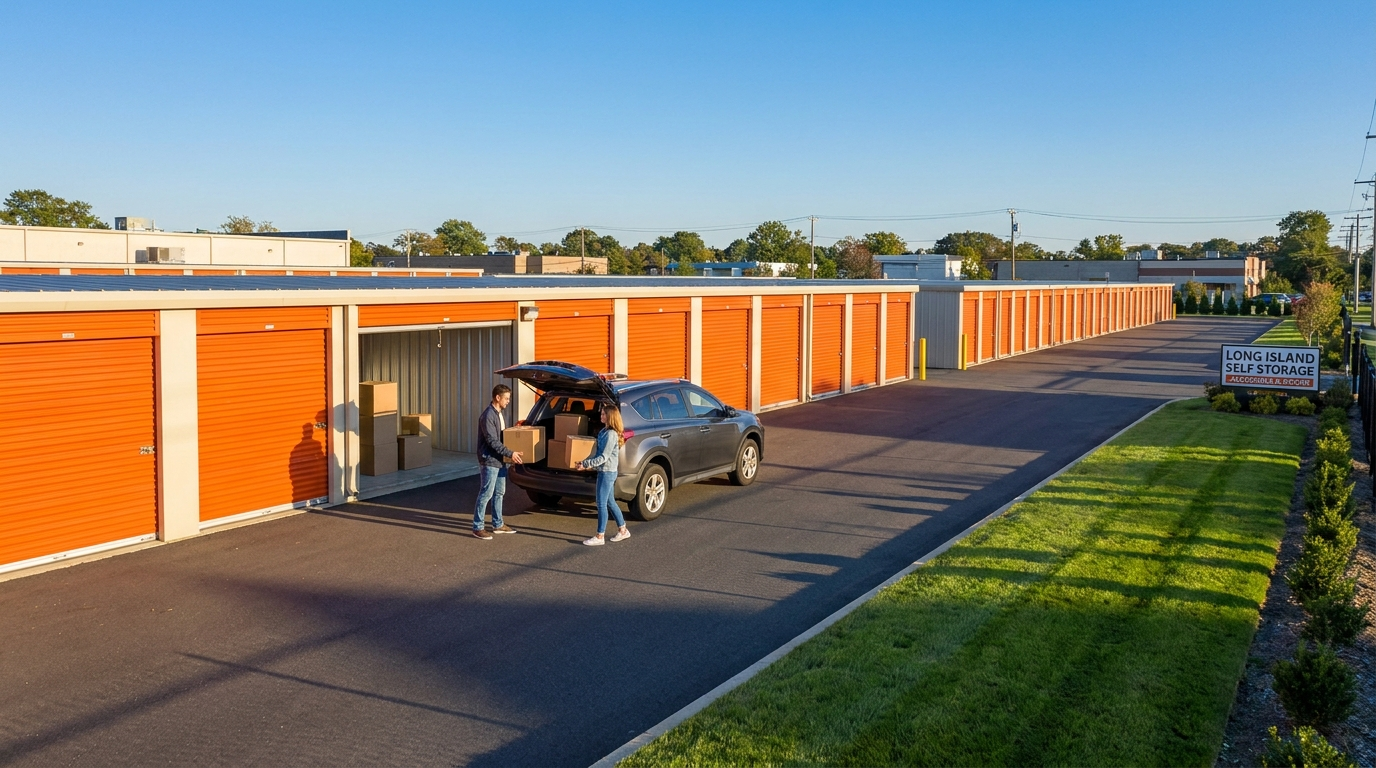
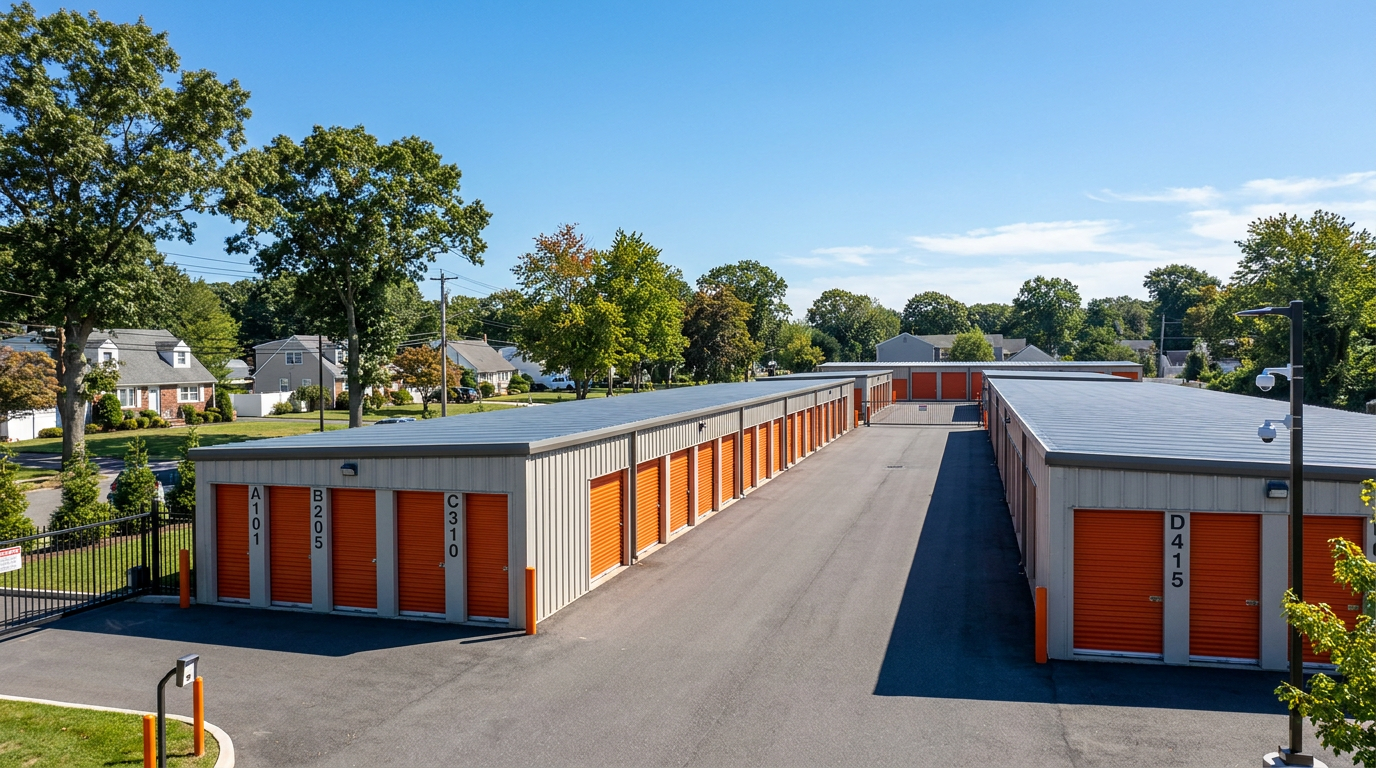
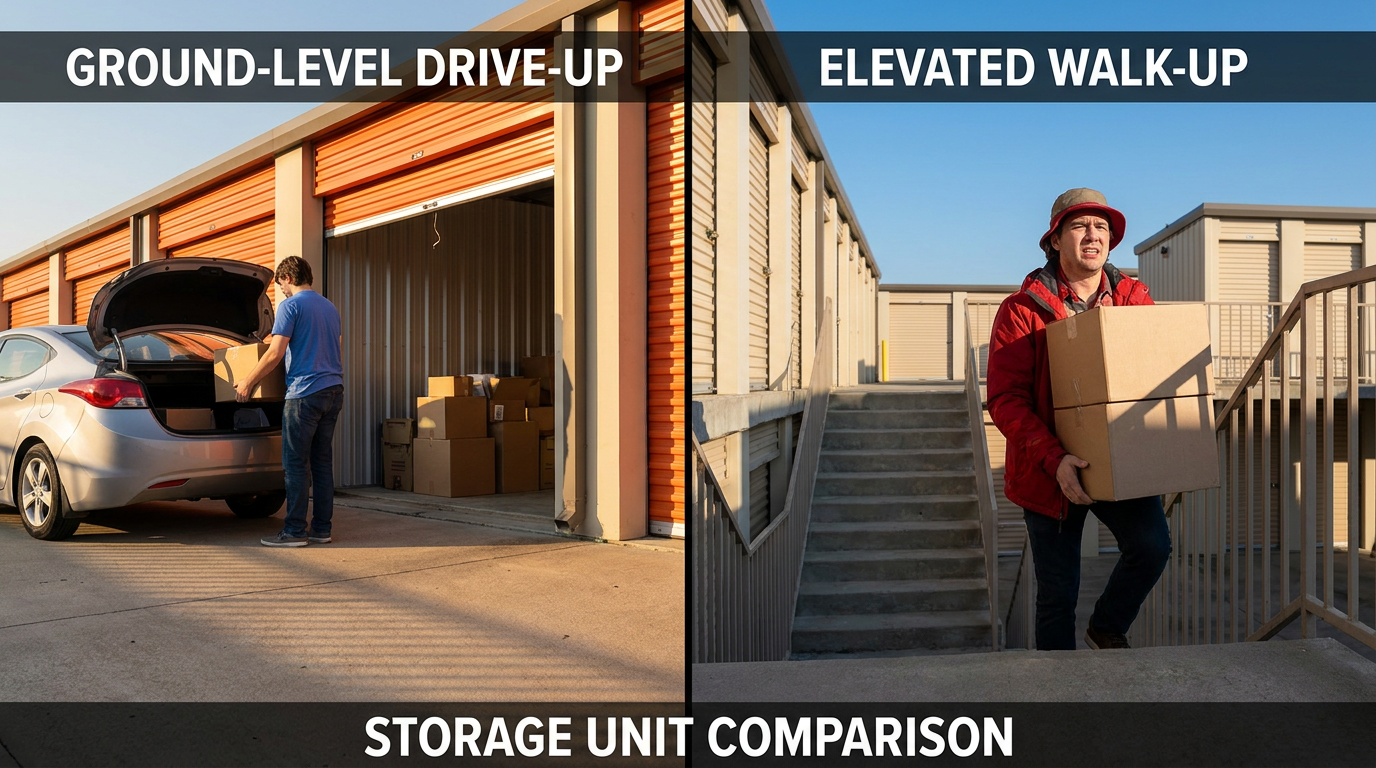
Drive-up storage units sit at ground level with exterior roll-up doors. You park your car, truck, or trailer directly in front of the unit and load items just a few feet from your vehicle. According to Extra Space Storage, these units function like personal garages with convenient vehicle access.
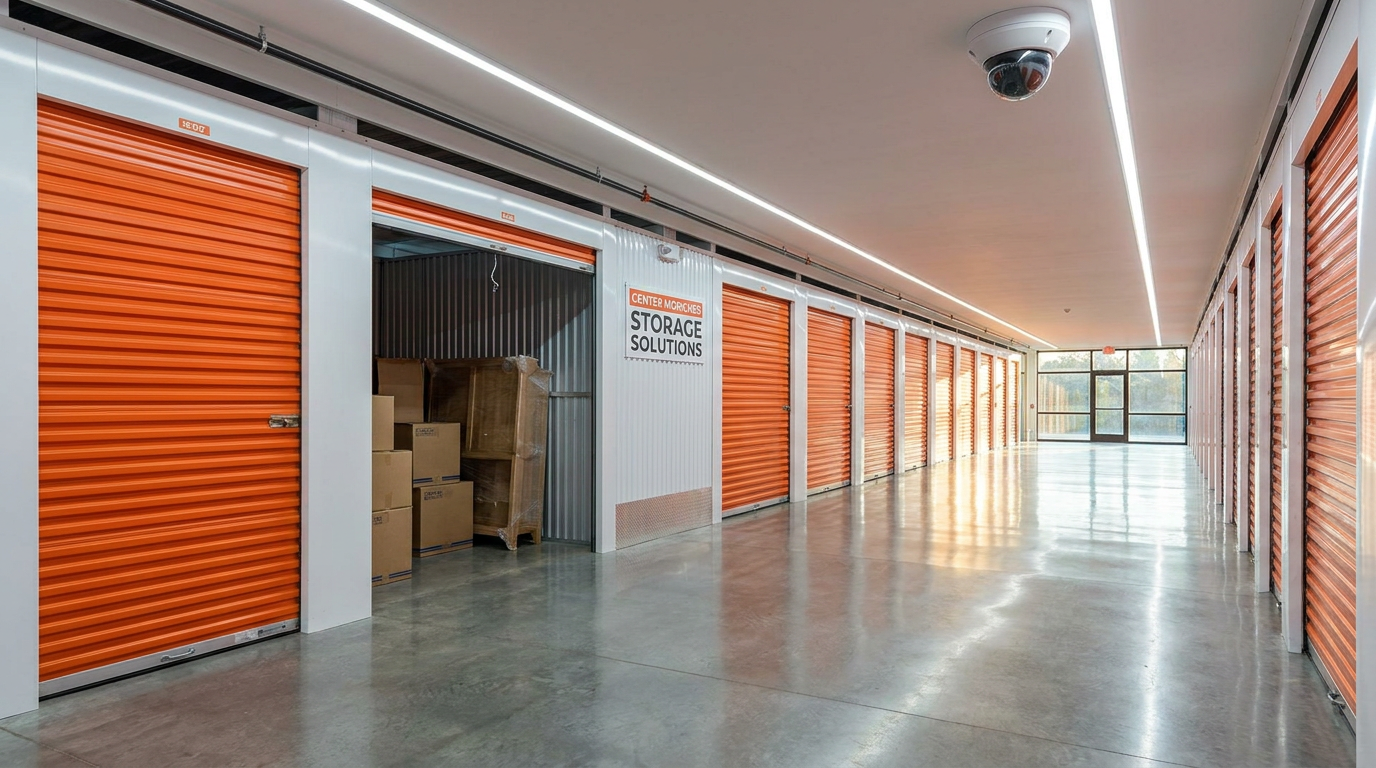
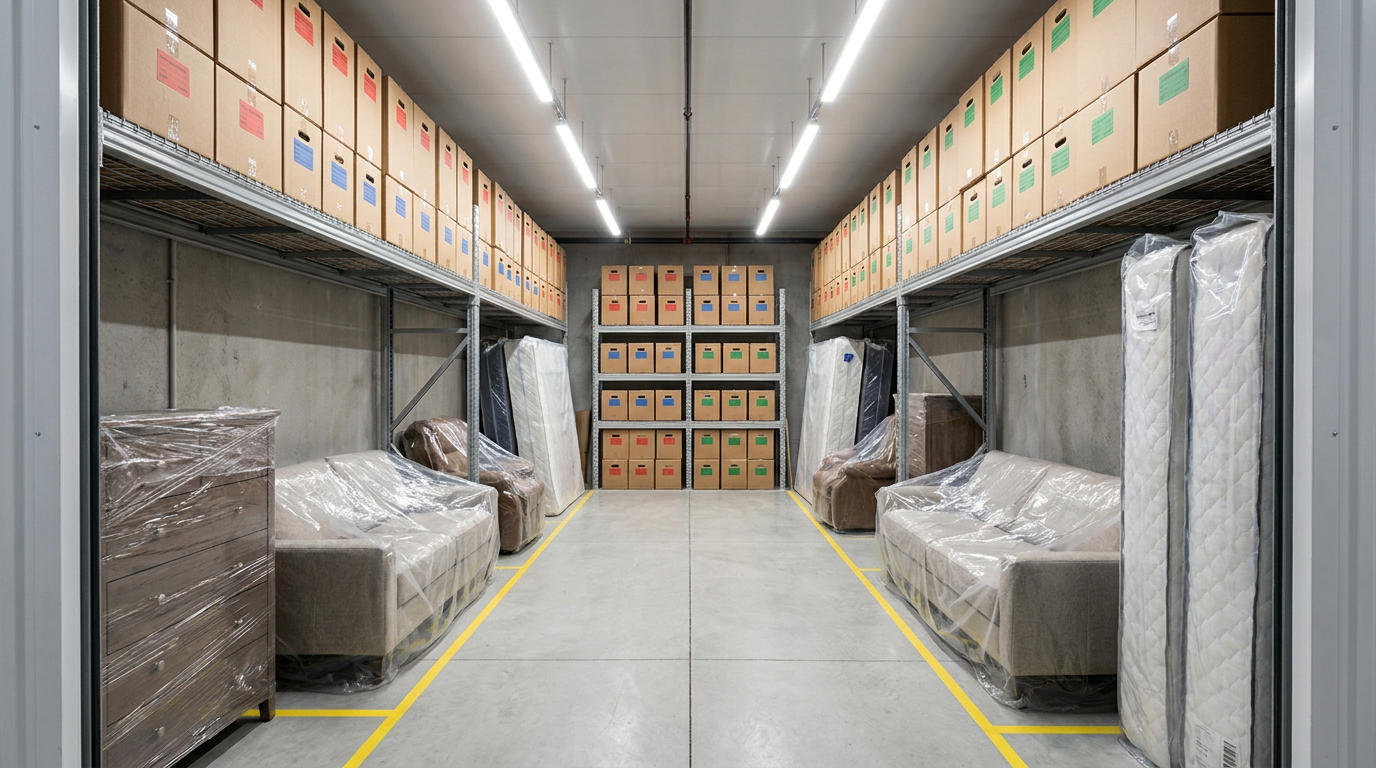
Walk-up units require foot access through interior hallways, stairwells, or elevators. You park in a designated lot, then transport items through the building to reach your unit. These units typically occupy upper floors of multi-story facilities and often include climate control features.
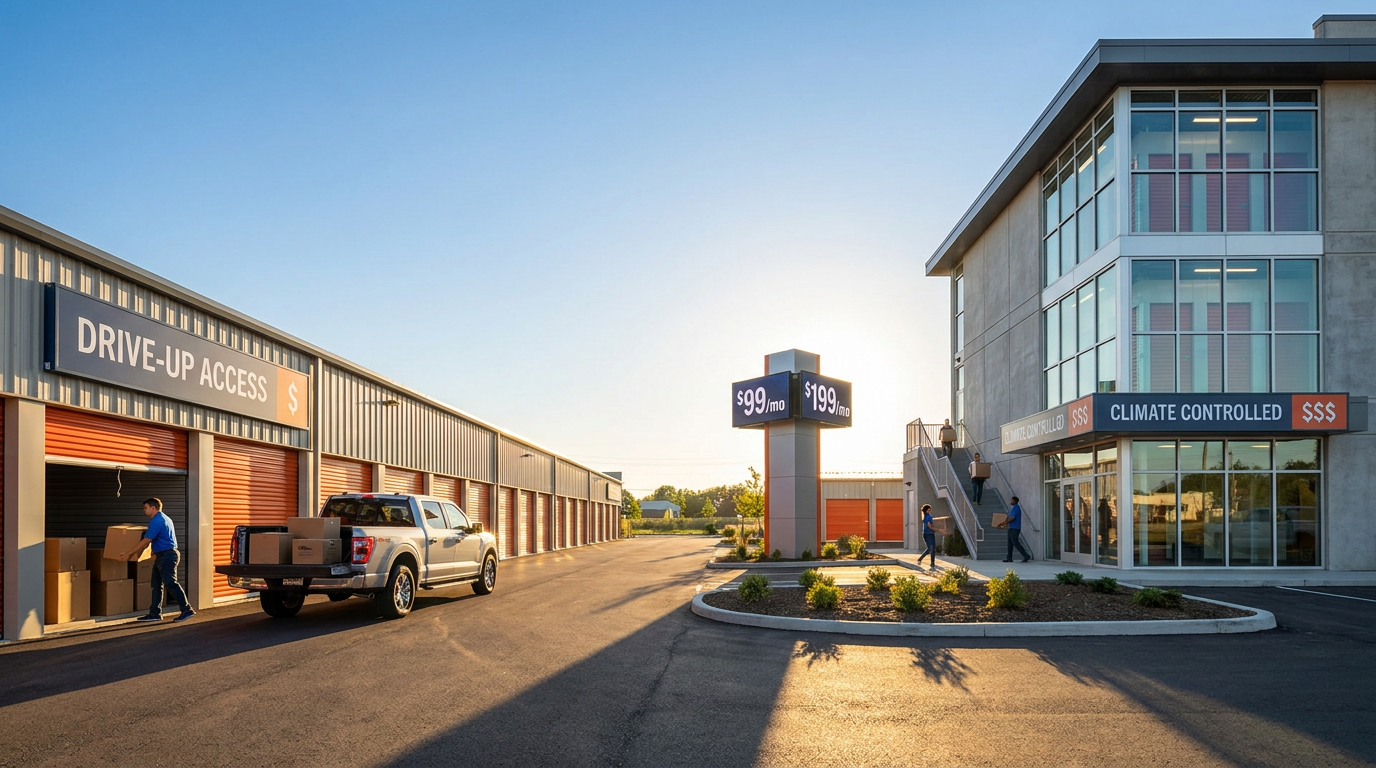
The fundamental difference comes down to access method: drive-up means vehicle-to-door convenience, while walk-up means walking your belongings from parking to unit. This distinction affects everything from loading time to what items you can reasonably store.
Drive-Up Storage: Advantages and Drawbacks
Drive-up units deliver maximum convenience for renters who need quick, frequent access. The Self Storage Association reports that drive-up tenants visit their units 40 percent more often than interior unit renters. This access pattern makes drive-up ideal for active storage needs.
Benefits of Drive-Up Access
Faster loading and unloading: Professional movers charge $25 to $50 per hour. Eliminating elevator waits and long hallway walks can save 2 to 4 hours on a full household move. That translates to $50 to $200 in labor savings on move-in day alone.
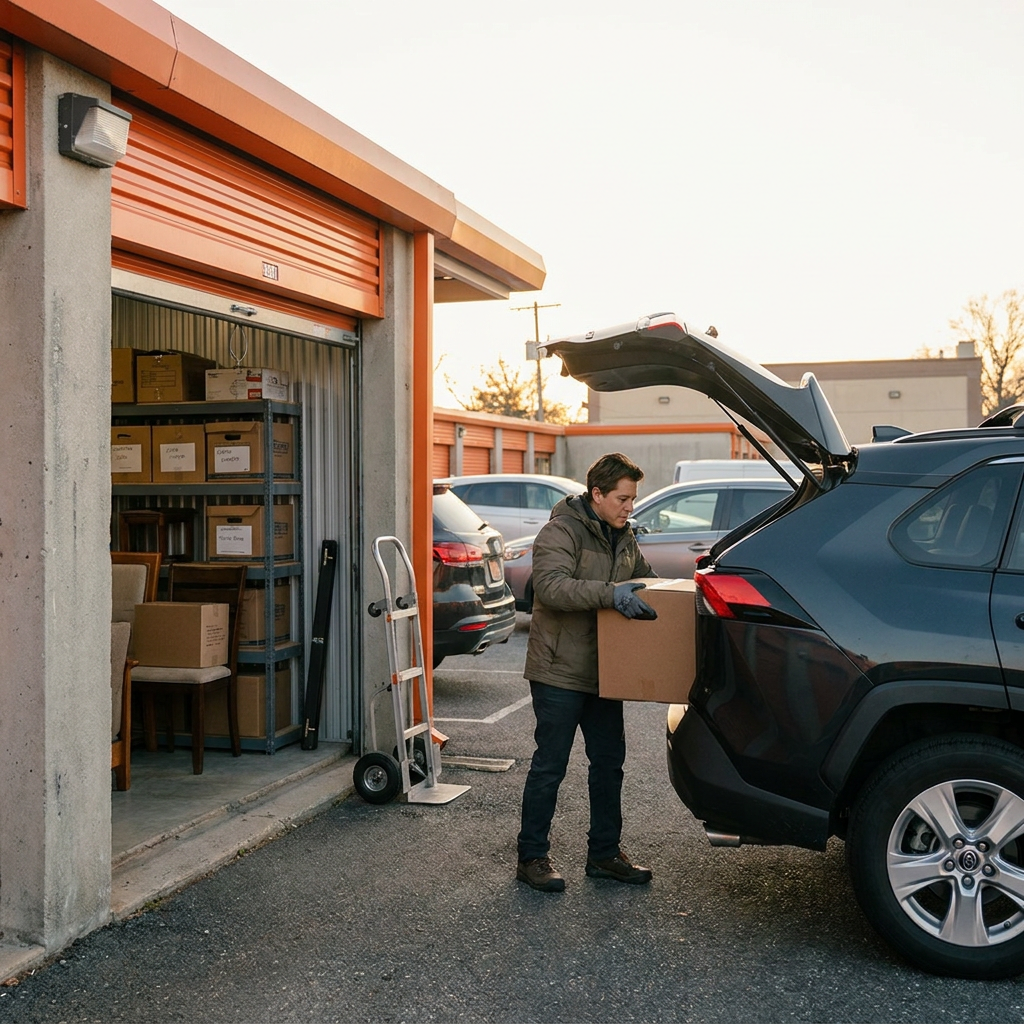
Better for heavy items: Refrigerators weighing 200 to 400 pounds, sofas, construction materials, and palletized inventory become manageable when you can use a hand truck or dolly directly from your vehicle. As noted by Storage of America, drive-up access eliminates the physical strain of navigating tight corridors with bulky items.
Business-friendly features: Contractors, landscapers, and small retailers benefit from early morning or late night access without navigating locked building entrances. A plumber retrieving pipe fittings at 6 AM appreciates pulling directly to the unit door.
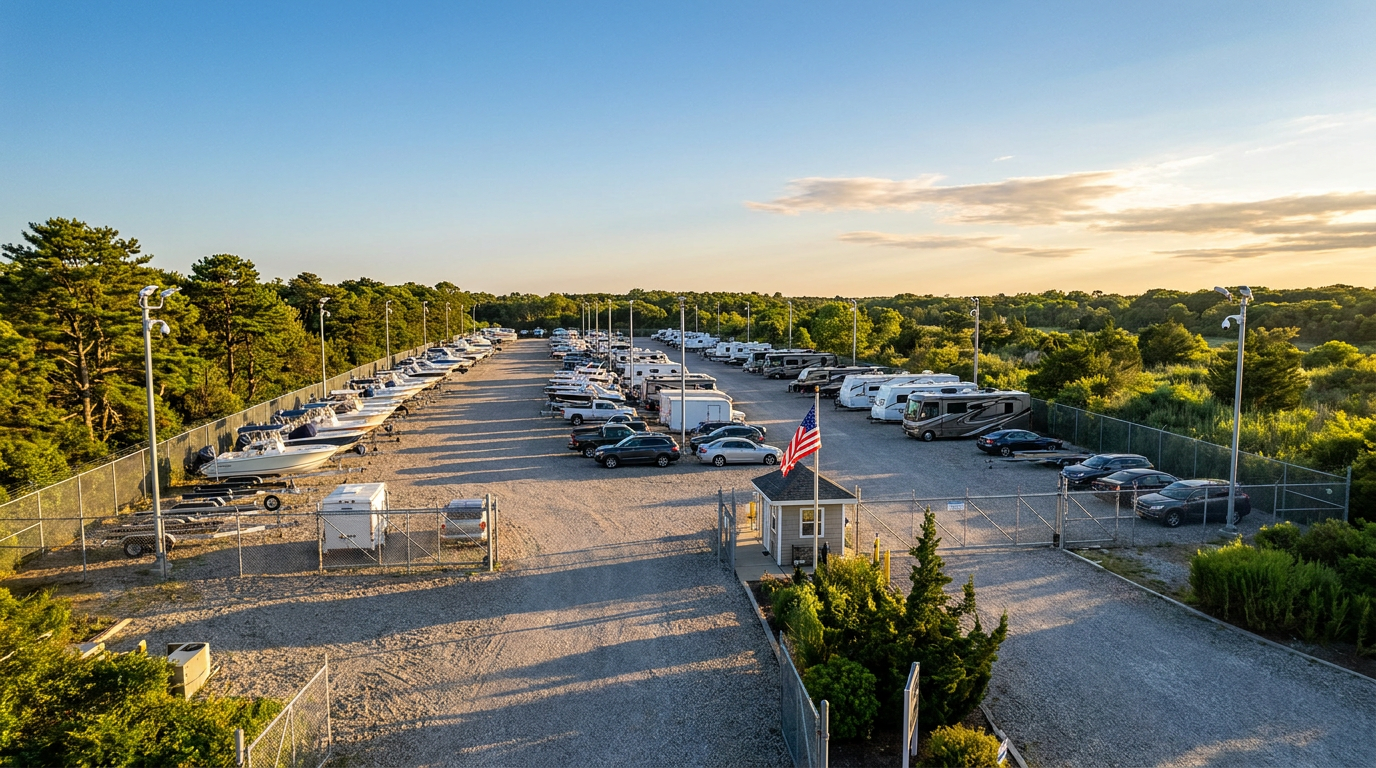
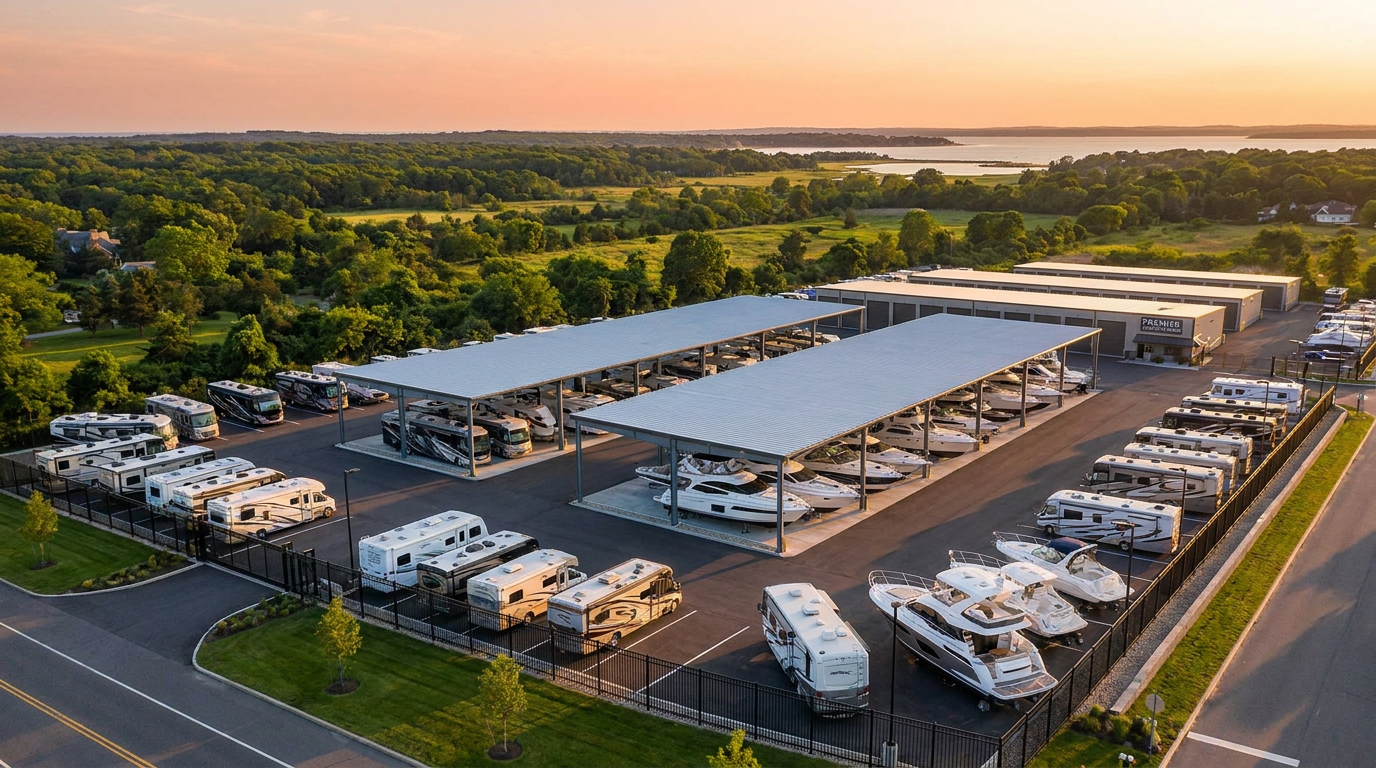
Vehicle and trailer compatibility: Many drive-up facilities, including Moriches Storage in East Moriches, offer adjacent parking for boats, RVs, and trailers. This creates a one-stop solution for household and vehicle storage needs.
Potential Drawbacks
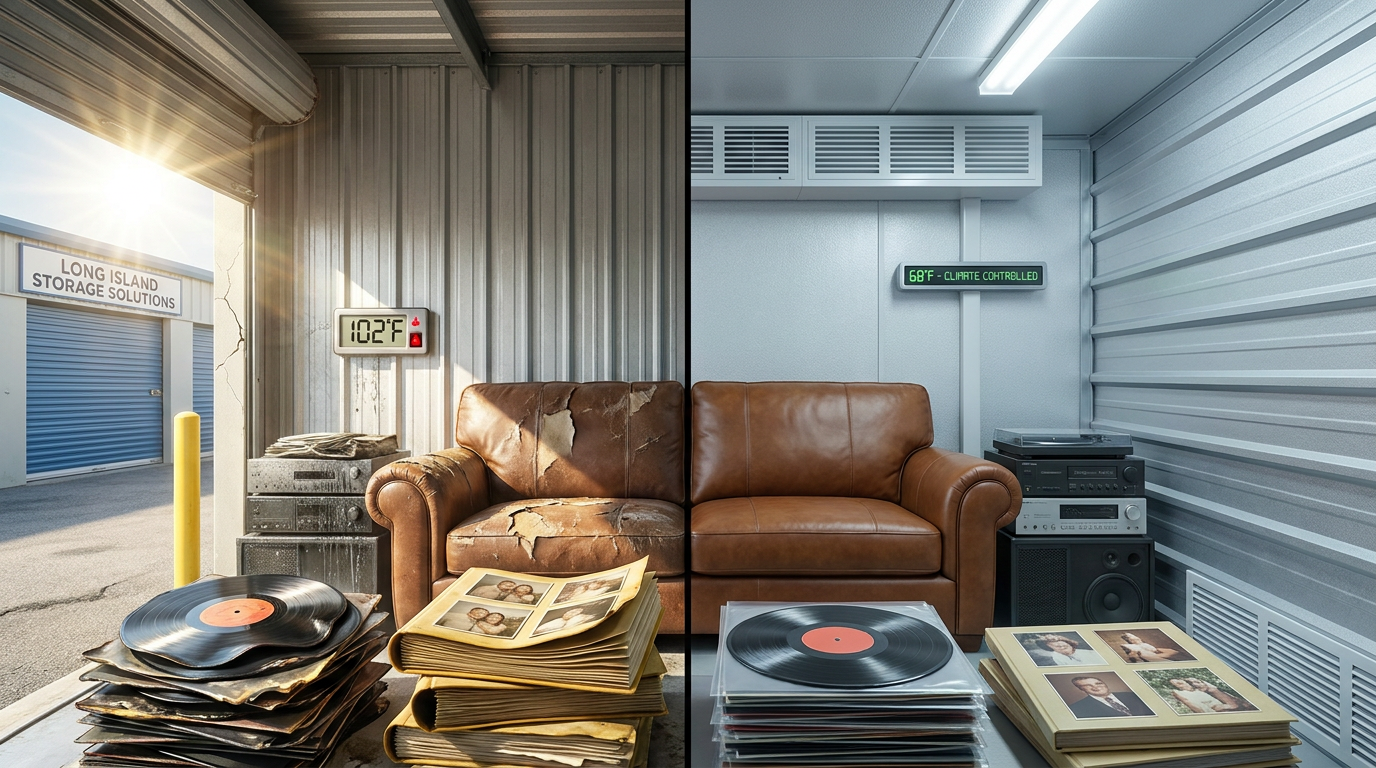
Limited climate control: Most drive-up units lack temperature regulation. Summer temperatures inside can reach 100 to 120 degrees Fahrenheit in direct sun, while winter temperatures may drop near freezing. Items sensitive to temperature swings face higher risk.
Weather exposure during loading: Rain, snow, and wind affect your comfort and safety when moving items. You work outdoors at the unit entrance rather than in a protected interior corridor.
Pricing in high-demand areas: Ground-level drive-up units command a 10 to 25 percent premium over basic interior units in competitive markets like Suffolk County, though this varies by facility and unit size.
Walk-Up Storage: Advantages and Drawbacks
Walk-up units serve renters who prioritize climate protection over access convenience. According to My Place Self Storage, interior units maintain more stable conditions year-round, making them suitable for temperature-sensitive belongings.
Benefits of Walk-Up Access
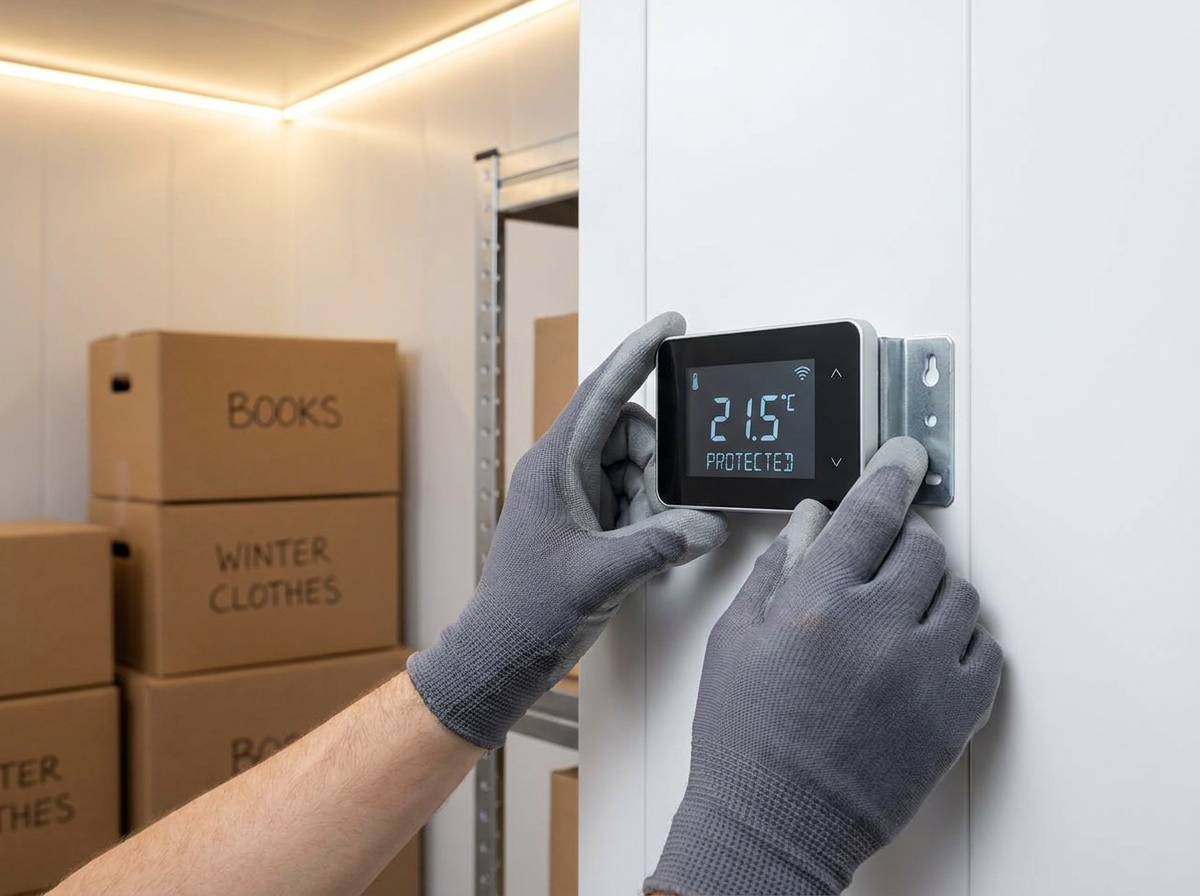
Climate control availability: Indoor facilities typically maintain temperatures between 55 and 80 degrees Fahrenheit. Humidity control prevents moisture damage to paper documents, photographs, and wooden furniture. Electronics manufacturers like Apple and Samsung recommend storage temperatures below 95 degrees Fahrenheit.
Protected loading environment: Interior hallways shield you from rain, snow, and extreme temperatures while moving items. This matters during Long Island winters when outdoor loading becomes uncomfortable or unsafe.
Layered security perception: Reaching a walk-up unit requires passing through building access points, interior doors, and hallway cameras. Some renters feel more secure with these additional barriers between their belongings and the outside world.
Lower base pricing: Basic non-climate-controlled interior units often cost 10 to 20 percent less than comparable drive-up units. Budget-conscious renters with small, lightweight loads can save $20 to $50 monthly.
Potential Drawbacks
Time-consuming access: Moving a 10x20 unit of household goods through elevators and hallways adds significant time. Industry estimates suggest 30 to 60 additional minutes per truckload compared to drive-up access.
Physical difficulty with heavy items: Maneuvering a 300-pound dresser through narrow corridors and into elevators challenges even experienced movers. Some items simply cannot navigate tight turns and low ceilings in older facilities.
Access hour restrictions: Interior facilities may limit access to staffed hours, typically 6 AM to 10 PM. Renters needing true 24/7 access often find drive-up facilities more accommodating.
Side-by-Side Comparison: Drive-Up vs Walk-Up Storage
| Factor | Drive-Up Units | Walk-Up Units |
|---|---|---|
| Vehicle Access | Direct door-to-vehicle loading | Walk from parking lot through building |
| Best For | Heavy items, frequent visits, business use | Small loads, climate-sensitive items |
| Climate Control | Rarely available | Commonly available |
| Typical Price (10x10) | $200 to $350 per month | $150 to $300 per month |
| Move-In Time | 2 to 4 hours for full household | 4 to 8 hours for full household |
| 24/7 Access | Common at most facilities | Often restricted to staffed hours |
| Weather Exposure | Exposed during loading | Protected indoors |
Which Storage Type Fits Your Situation?
Your ideal storage type depends on three factors: what you store, how often you visit, and your budget constraints. The following scenarios help clarify which option serves your needs best.
Choose Drive-Up Storage If You:
- Store furniture, appliances, or items weighing over 50 pounds
- Visit your unit weekly or more frequently
- Run a business requiring inventory or equipment access
- Need early morning or late night access outside typical business hours
- Store outdoor gear, tools, or seasonal equipment that tolerates temperature changes
- Want to minimize moving day labor costs and time
Choose Walk-Up or Interior Storage If You:
- Store documents, photographs, electronics, or antiques
- Visit your unit monthly or less frequently
- Prioritize lowest monthly cost over access convenience
- Store items that require consistent temperature between 55 and 80 degrees Fahrenheit
- Prefer the added security of interior building access
What Items Need Climate Control?
Understanding which belongings require temperature regulation helps determine whether drive-up or walk-up storage makes sense. The following items face damage risk in non-climate-controlled environments.
Electronics: Computers, televisions, and audio equipment contain components sensitive to humidity and temperature extremes. Condensation from temperature swings can cause corrosion and circuit damage. Consumer electronics manufacturers recommend storage below 95 degrees Fahrenheit.
Wood furniture: Antique dressers, pianos, and hardwood tables expand and contract with humidity changes. Repeated cycles cause warping, cracking, and joint separation. Furniture restorers report that 60 percent of damage cases involve improper storage conditions.
Documents and photographs: Paper products absorb moisture, leading to mold growth, yellowing, and deterioration. The National Archives recommends storing important documents at 65 to 70 degrees Fahrenheit with 30 to 40 percent relative humidity.
Musical instruments: Guitars, violins, and pianos contain wood and glue joints affected by humidity. Yamaha and Gibson both recommend storage environments between 45 and 55 percent relative humidity.
For items not on this list, including plastic containers, metal tools, outdoor furniture, sporting equipment, and seasonal decorations, a well-maintained drive-up unit provides adequate protection. Proper packing with moisture barriers and elevation off concrete floors further reduces risk.
Security Considerations: Drive-Up vs Walk-Up
Both storage types can offer excellent security when facilities invest in proper systems. The key differences involve how security layers are implemented rather than which type is inherently safer.
Drive-up security relies on perimeter protection: Gated access with individual entry codes, security cameras covering all aisles, LED lighting eliminating dark corners, and paved surfaces preventing hiding spots. Facilities like Moriches Storage combine these elements with 24/7 access control to monitor who enters and exits the property.
Walk-up security adds interior layers: Building access doors, hallway cameras, and sometimes staffed offices create multiple checkpoints. However, shared hallways mean other tenants pass your unit regularly, which some renters view as either reassuring or concerning.
According to StoreAssure, well-secured drive-up facilities report theft rates comparable to interior facilities. The quality of security systems matters more than the unit type itself.
Cost Comparison for Long Island Storage
Storage pricing in Suffolk County varies by unit size, features, and location. The following ranges reflect typical monthly rates for the East Moriches and surrounding South Shore area.
| Unit Size | Drive-Up (Non-Climate) | Walk-Up (Climate-Controlled) |
|---|---|---|
| 5x5 (25 sq ft) | $100 to $150 | $120 to $180 |
| 5x10 (50 sq ft) | $150 to $200 | $175 to $250 |
| 10x10 (100 sq ft) | $225 to $325 | $275 to $400 |
| 10x20 (200 sq ft) | $350 to $500 | $425 to $600 |
At Moriches Storage, drive-up units with lights range from $135 per month for a 5x5 to $595 per month for a 10x30. All units include interior lighting, and the facility offers month-to-month leases with no deposit required. Check the storage unit size guide for complete pricing and dimensions.
Frequently Asked Questions
What are the cons of drive-up storage units?
Drive-up units typically lack climate control, exposing contents to temperature swings between 20 and 120 degrees Fahrenheit depending on season. Loading happens outdoors, making rain and snow days uncomfortable. In competitive markets, drive-up units may cost 10 to 25 percent more than basic interior units of the same size.
How likely is it to get bed bugs from a storage unit?
Bed bug transmission in storage units is rare but possible. The National Pest Management Association reports that bed bugs survive up to 12 months without feeding. Reduce risk by inspecting upholstered furniture before storing, using sealed plastic containers instead of cardboard boxes, and avoiding units with visible signs of pest activity. Most facilities, including Moriches Storage, maintain pest control programs.
What is the cheapest way to get storage?
Basic interior walk-up units without climate control offer the lowest monthly rates. Additional savings come from choosing smaller units, selecting month-to-month leases during off-peak seasons (October through February), and avoiding facilities with mandatory insurance requirements. Some facilities offer first-month discounts of 50 percent or more for new renters.
Are 10x10 storage units actually 10x10?
Unit dimensions vary by 2 to 6 inches from advertised sizes due to wall thickness and construction methods. A "10x10" unit typically measures 9 feet 6 inches by 9 feet 6 inches internally, providing roughly 90 square feet instead of 100. Always verify actual dimensions before renting if precise space matters for your needs. The Moriches Storage FAQ provides specific unit measurements.
Can I use a drive-up unit like a garage or workshop?
Most storage facilities prohibit using units as workspaces, living quarters, or commercial operations. Lease agreements typically restrict use to storage only. However, drive-up units work well for brief organization tasks, inventory counts, or loading and unloading. Check your facility's terms and conditions for specific permitted uses.
Do I need storage insurance for my unit?
Facility operators require either proof of homeowners or renters insurance covering stored property, or purchase of a tenant protection plan. Plans typically cost $10 to $30 monthly and cover $2,000 to $10,000 in belongings against theft, fire, and certain weather damage. Review what's covered and excluded before choosing a plan. Learn more about tenant protection options at Moriches Storage.
Which is better for storing a boat or vehicle?
Drive-up facilities with outdoor parking or large enclosed units serve vehicle storage best. A 10x20 or 10x30 drive-up unit accommodates most boats, cars, and motorcycles. Facilities offering electrical hookups allow battery maintainers for long-term vehicle storage. Moriches Storage provides 12x20 and 12x30 open parking spaces specifically for boats, RVs, and vehicles.
Making Your Decision: Drive-Up or Walk-Up?
For most Long Island residents storing household goods, seasonal items, or business inventory, drive-up storage delivers the best combination of convenience and value. The time savings alone, often 2 to 4 hours on moving day, justify any price premium over interior units.
Walk-up climate-controlled storage makes sense for specific situations: fine art, antique furniture, important documents, or electronics stored for more than six months. If your belongings fit these categories and you visit infrequently, the extra protection outweighs the access inconvenience.
Consider your actual usage pattern. Will you visit weekly to grab tools or inventory? Drive-up wins. Will you store boxes of photos and visit twice yearly? Climate-controlled walk-up makes sense. Most renters fall into the first category, which explains why drive-up units maintain higher occupancy rates at facilities across Suffolk County.
Whatever you choose, prioritize facilities with strong security systems, transparent pricing, and flexible lease terms. Month-to-month agreements let you adjust as needs change without penalty. Contact the Moriches Storage team with questions about which unit type and size fits your situation.
|