Best Boat and RV Storage on Long Island: 2026 Guide |
| BEST STORAGE SOLUTIONS FOR BOATS AND RVS ON LONG ISLAND
⏱ 12 min read ·
📄 #2,380 words
Find the best boat and RV storage solutions on Long Island. Compare outdoor, covered, and indoor options with pricing, security features, and expert tips.
|
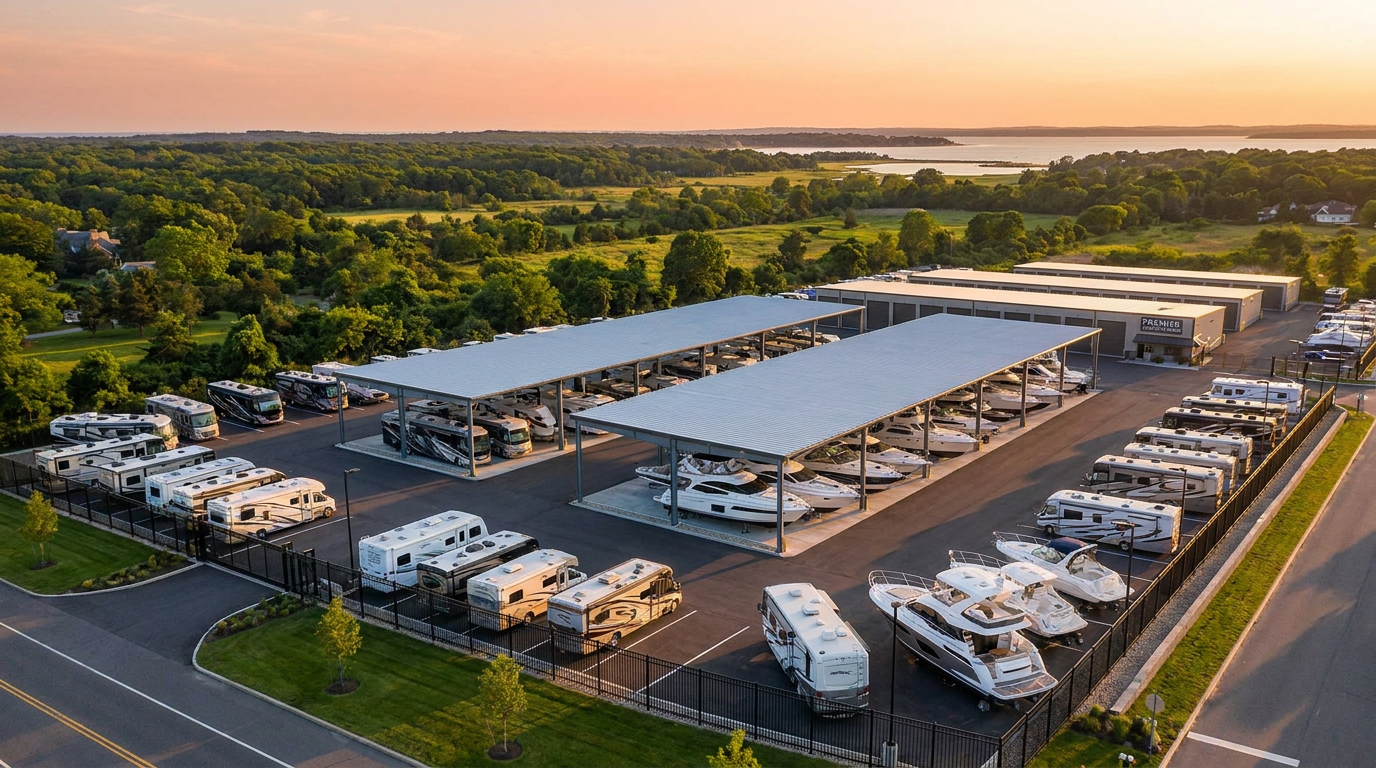
T he best storage solutions for boats and RVs on Long Island include outdoor paved lots at $155 to $200 per month, covered carport storage at $200 to $350 per month, and indoor warehouse bays at $300 to $500 per month. Your choice depends on vehicle size, protection needs, and proximity to launch points like Moriches Bay or Shinnecock Inlet.
| Key Points: | |
|---|---|
| • | Outdoor paved parking costs $155 to $200 per month for 12x20 to 12x30 spaces on Long Island |
| • | Suffolk County zoning often prohibits RV and boat storage in residential driveways for more than 24 to 72 hours |
| • | Security features to prioritize: gated access, LED lighting, surveillance cameras, and paved surfaces |
| • | Trailerable boats under 30 feet and Class B or C RVs fit most self-storage parking facilities |
| • | 24/7 access is essential for weekend boaters and seasonal RV travelers on the South Shore |
Types of Boat and RV Storage Available on Long Island
Long Island offers four primary storage categories for boats and RVs. Each option balances cost, protection level, and accessibility differently. Understanding these distinctions helps you match your vehicle's needs with your budget.
Outdoor Uncovered Storage
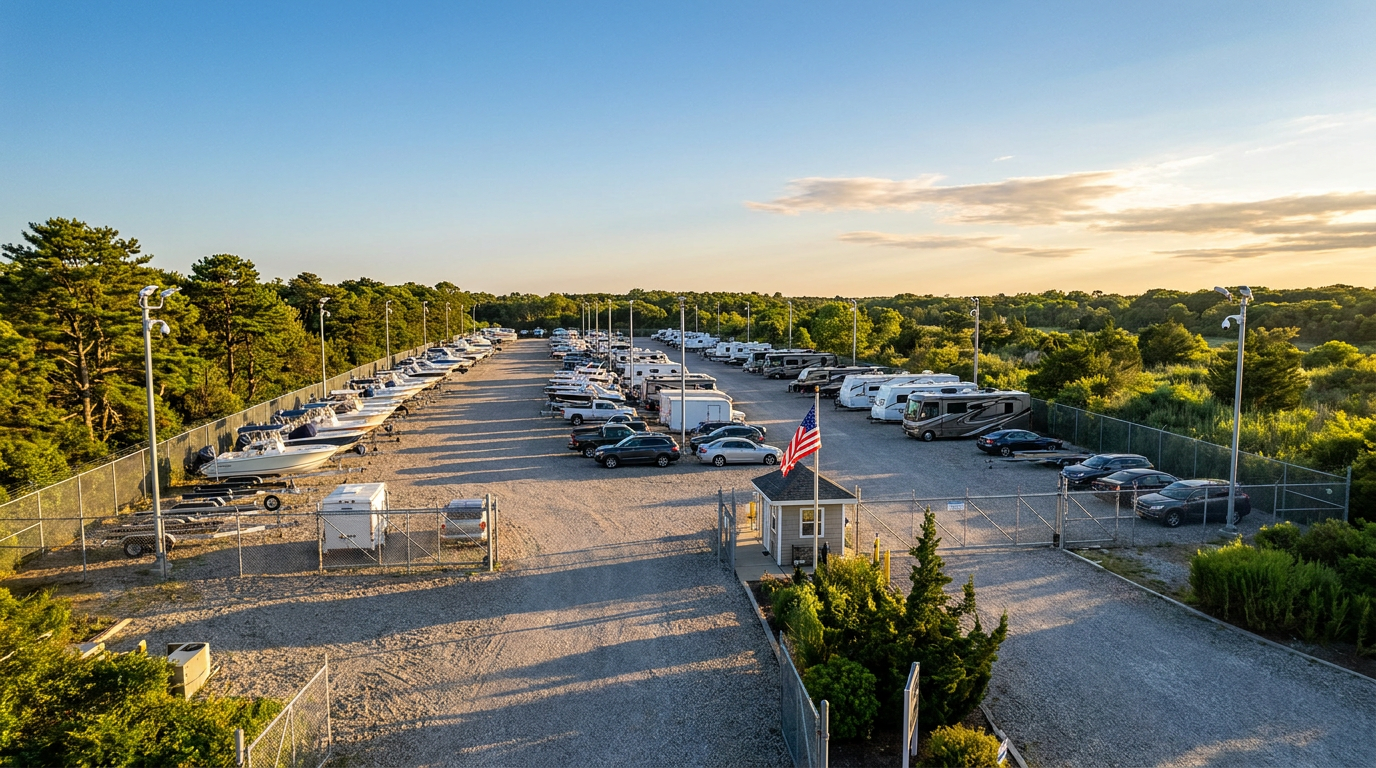
Outdoor uncovered storage is the most common and affordable option across Suffolk and Nassau counties. According to RVshare's facility guide, most Long Island outdoor lots charge between $100 and $200 monthly for standard spaces. These facilities typically feature gravel or paved parking, perimeter fencing, and keypad-controlled gates.
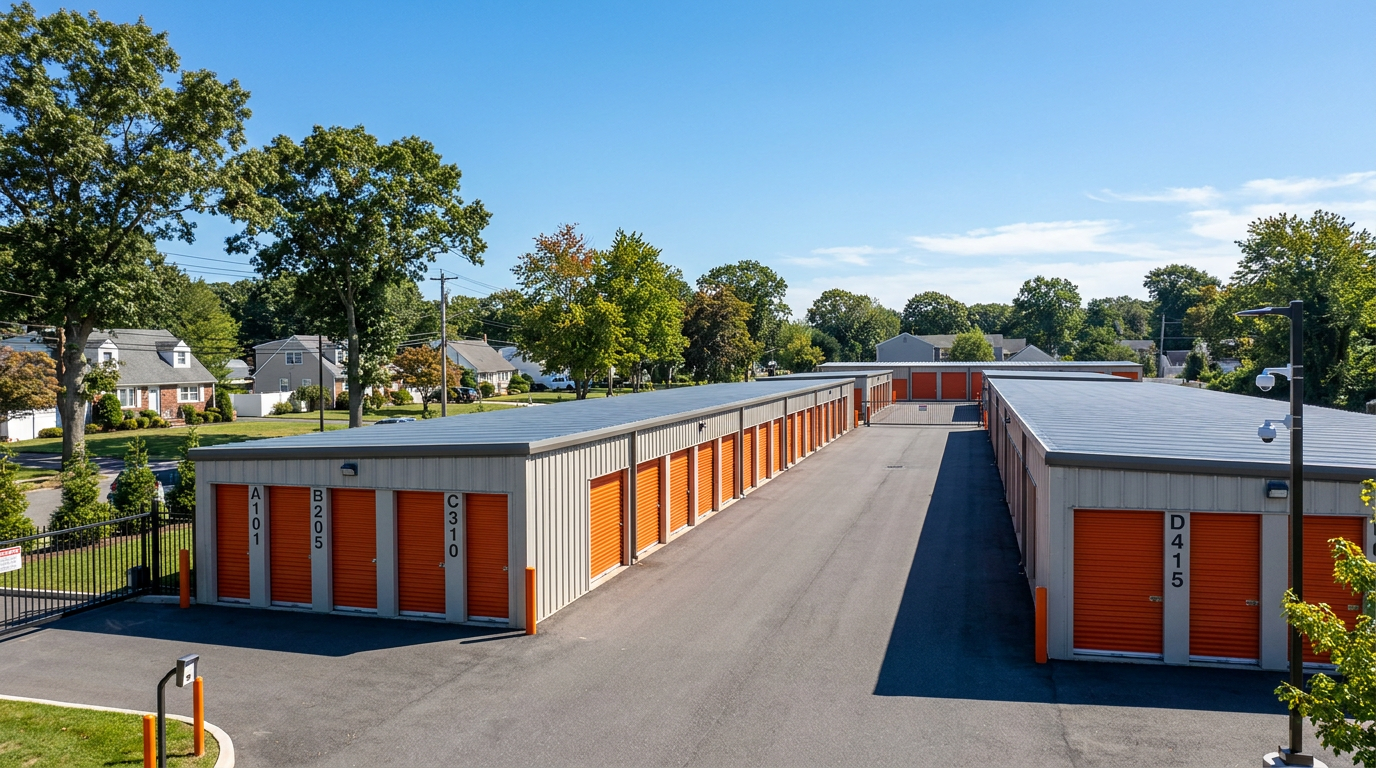
Paved surfaces offer significant advantages over gravel. They prevent mud accumulation during spring thaws, reduce trailer corrosion from standing water, and make maneuvering easier when backing in large rigs. Facilities like Moriches Storage in East Moriches provide fully paved lots with LED lighting and security cameras at rates starting at $155 per month for 12x20 spaces.
Covered Outdoor Storage
Covered storage uses carport-style structures with roofs but no walls. This option shields your boat or RV from direct UV exposure, rain, and snow load while costing less than fully enclosed indoor storage. Typical pricing ranges from $200 to $350 monthly depending on space dimensions and location.
Covered storage works best for newer vehicles where preserving exterior finishes, roof seals, and gelcoat matters. The protection extends the lifespan of rubber seals, decals, and fiberglass surfaces that degrade quickly under Long Island's coastal sun.
Indoor Non-Climate-Controlled Storage
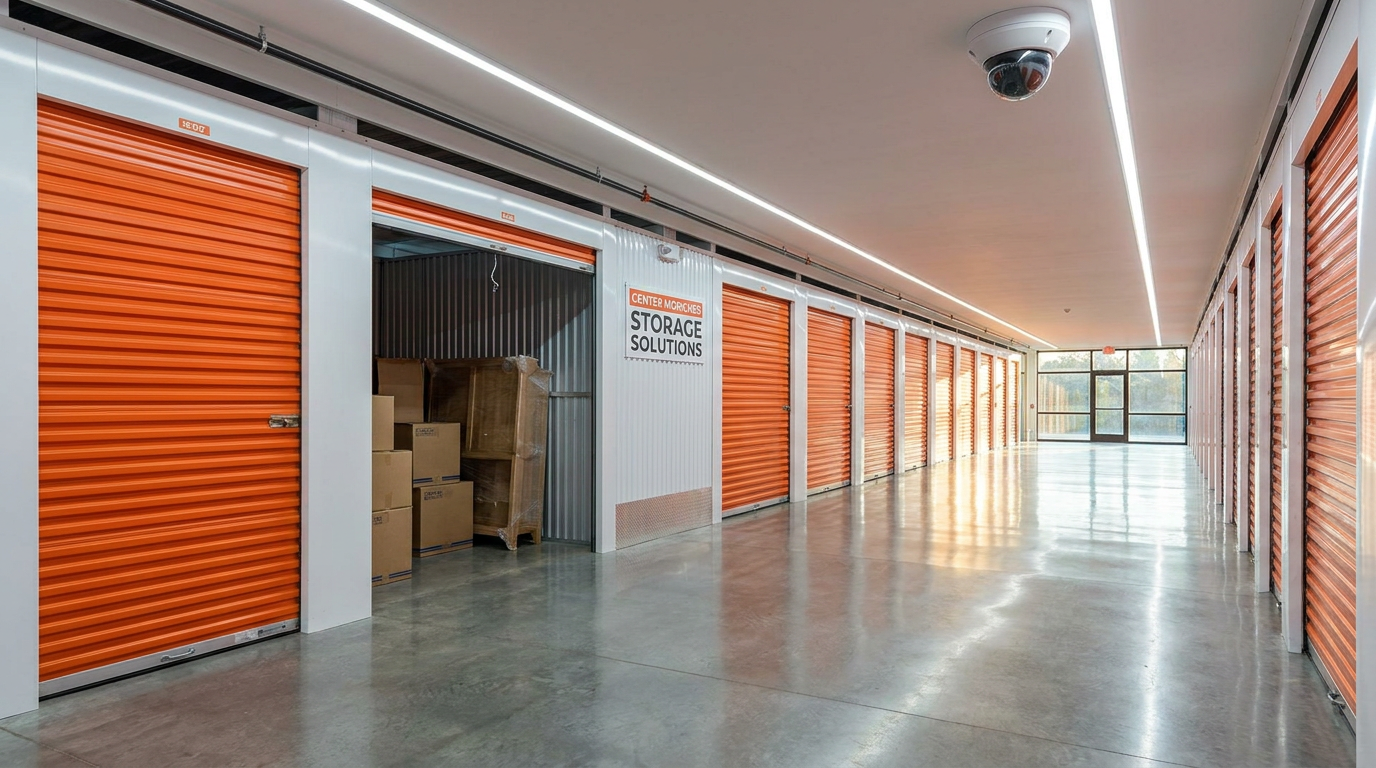
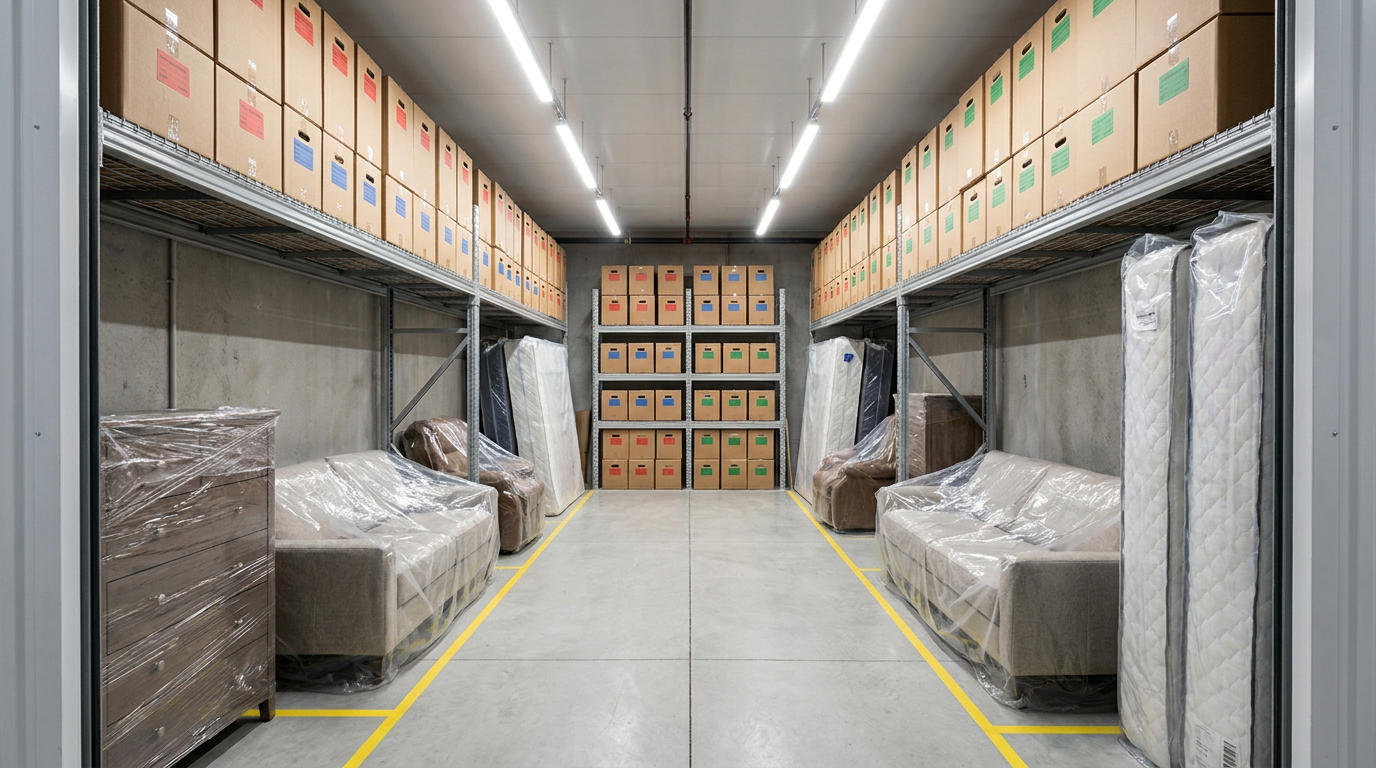
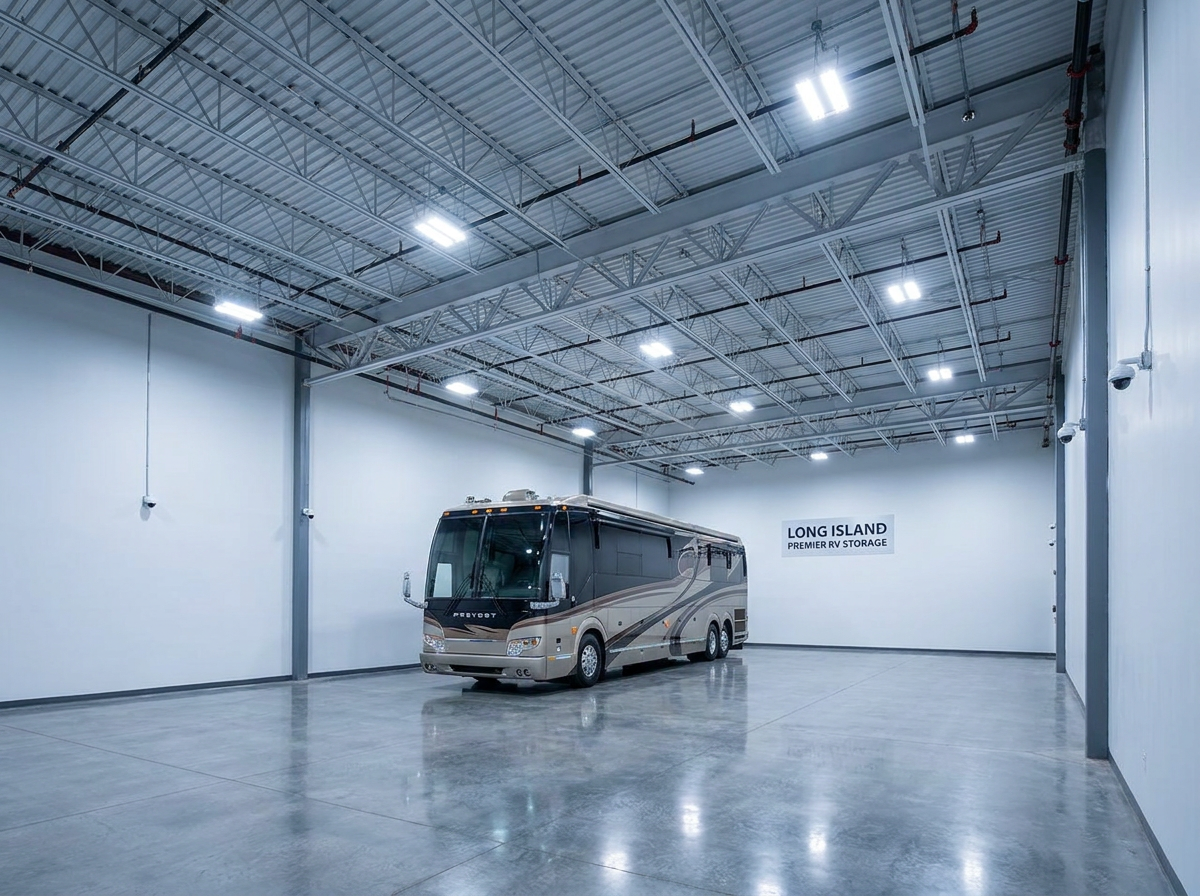
Indoor cold storage places your vehicle inside a warehouse or large drive-up unit without temperature regulation. This option protects against snow, ice, wind, and direct sunlight. According to Strong's Marine, indoor boat storage on Long Island typically costs $25 to $40 per foot of boat length for the winter season.
Height restrictions often limit this option to boats on trailers and smaller Class B or C motorhomes. Most facilities cap ceiling heights at 12 to 14 feet, excluding larger Class A motorhomes with rooftop air conditioners.
Indoor Climate-Controlled Storage
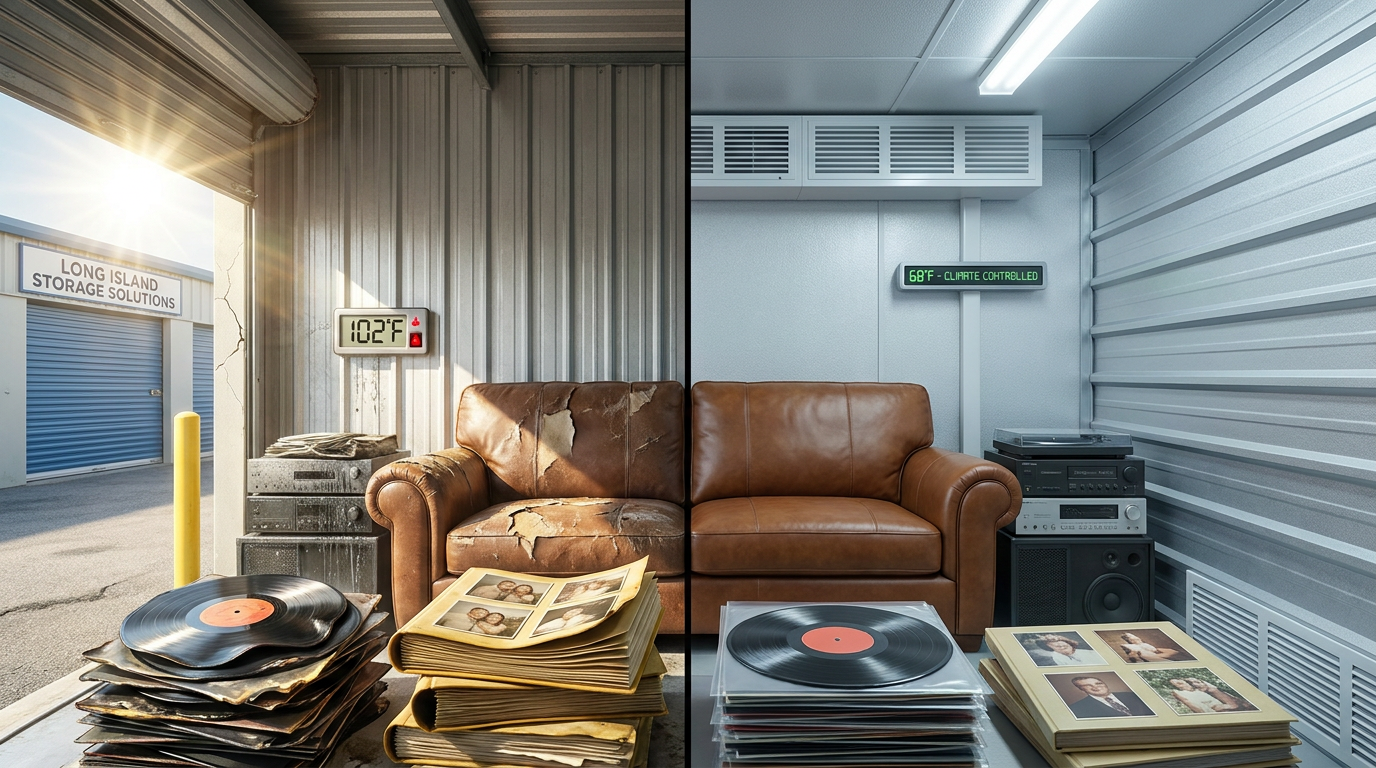
Climate-controlled indoor storage maintains temperatures between 55 and 80 degrees Fahrenheit year-round. This premium option suits classic wooden boats, luxury motorhomes, and performance vessels requiring long-term preservation. Monthly costs typically exceed $400 and can reach $800 or more for larger spaces.
Few Long Island facilities offer true climate control for vehicles due to the space and energy costs involved. Most owners choosing this option transport vehicles to specialized facilities in New Jersey or upstate New York.
Storage Cost Comparison for Long Island
Pricing varies significantly based on storage type, location, and vehicle size. The following table summarizes typical monthly costs across Suffolk County facilities based on 2026 market rates.
| Storage Type | Monthly Cost Range | Best For |
|---|---|---|
| Outdoor Uncovered (Paved) | $155 to $200 | Trailerable boats, travel trailers, Class B/C RVs |
| Outdoor Covered | $200 to $350 | Newer boats and RVs needing UV protection |
| Indoor Non-Climate | $300 to $500 | High-value boats, smaller motorhomes |
| Indoor Climate-Controlled | $400 to $800+ | Classic boats, luxury RVs, long-term preservation |
| Marina Winter Storage | $40 to $60 per foot | Boats requiring haul-out and professional service |
Marina storage pricing from facilities like Suffolk Marine Center typically includes haul-out, blocking, and sometimes shrink-wrap. A 25-foot boat might cost $1,000 to $1,500 for the five-month winter season using this calculation method.
Security Features to Prioritize
Boat and RV theft remains a concern throughout Long Island. Outboard motors, catalytic converters, and electronics are frequent targets. The National Insurance Crime Bureau reports recreational vehicle theft increased 12% nationally between 2022 and 2024.
Essential Security Elements
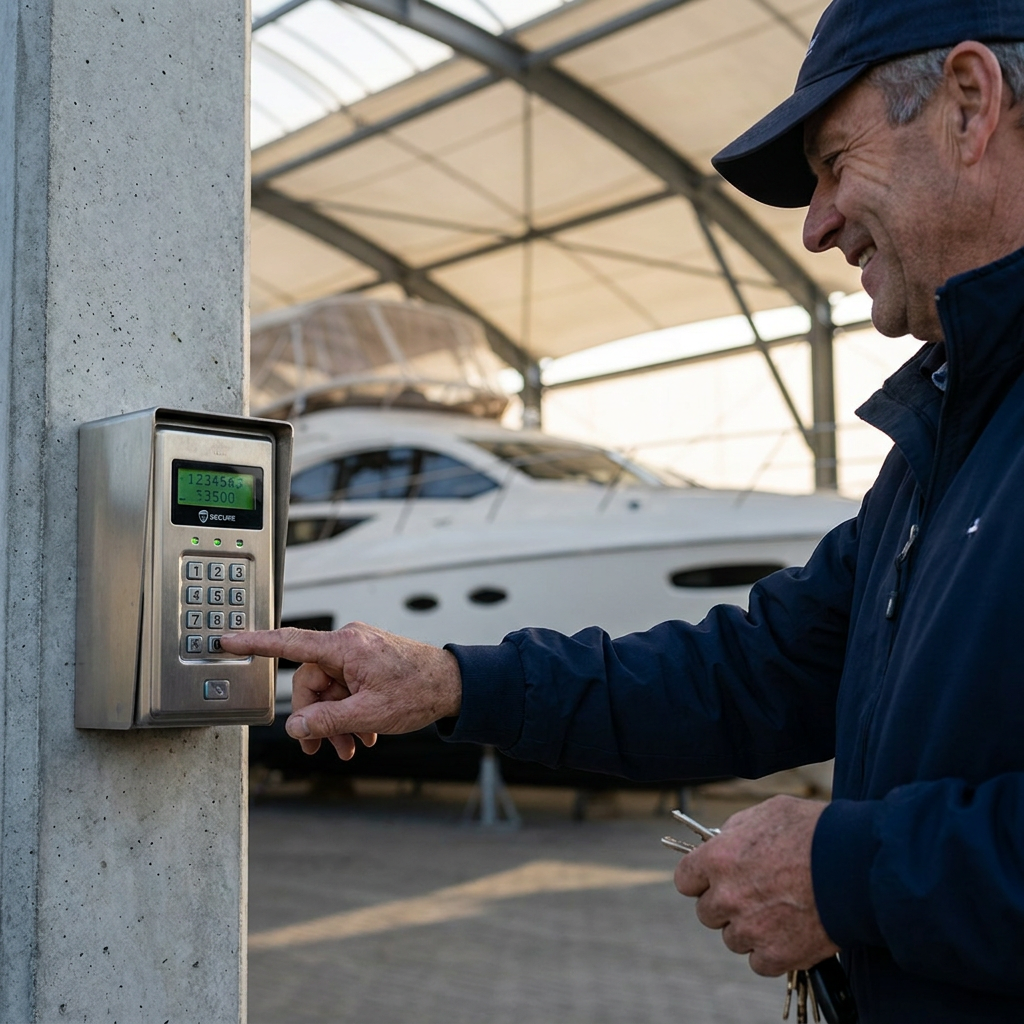
Perimeter fencing with controlled entry prevents casual access to the property. Electronic gates with individual access codes create an audit trail showing who entered and when. Video surveillance with adequate camera coverage deters theft and provides evidence if incidents occur.
LED lighting throughout the property eliminates dark corners where thieves might work undetected. Well-lit facilities experience 40% fewer break-in attempts according to industry security consultants. Staff presence during business hours adds another layer of protection.
Moriches Storage addresses these concerns with a fully gated and paved facility featuring security cameras, LED lighting, and individual access control. The property's location just off Sunrise Highway (NY-27) provides easy access while maintaining security.
Access and Convenience Factors
Long Island traffic patterns make location and access hours critical considerations. A facility 20 miles away might take 45 minutes to reach during summer weekends. Proximity to your home and preferred launch points significantly impacts usability.
24/7 Access Benefits
Weekend boaters often leave before dawn to reach launch ramps at Moriches Bay, Forge River, or Shinnecock Inlet ahead of crowds. RV travelers heading to campgrounds in the Catskills or New England prefer early departures to avoid Sunrise Highway congestion. Facilities restricting access to business hours create scheduling conflicts for these users.
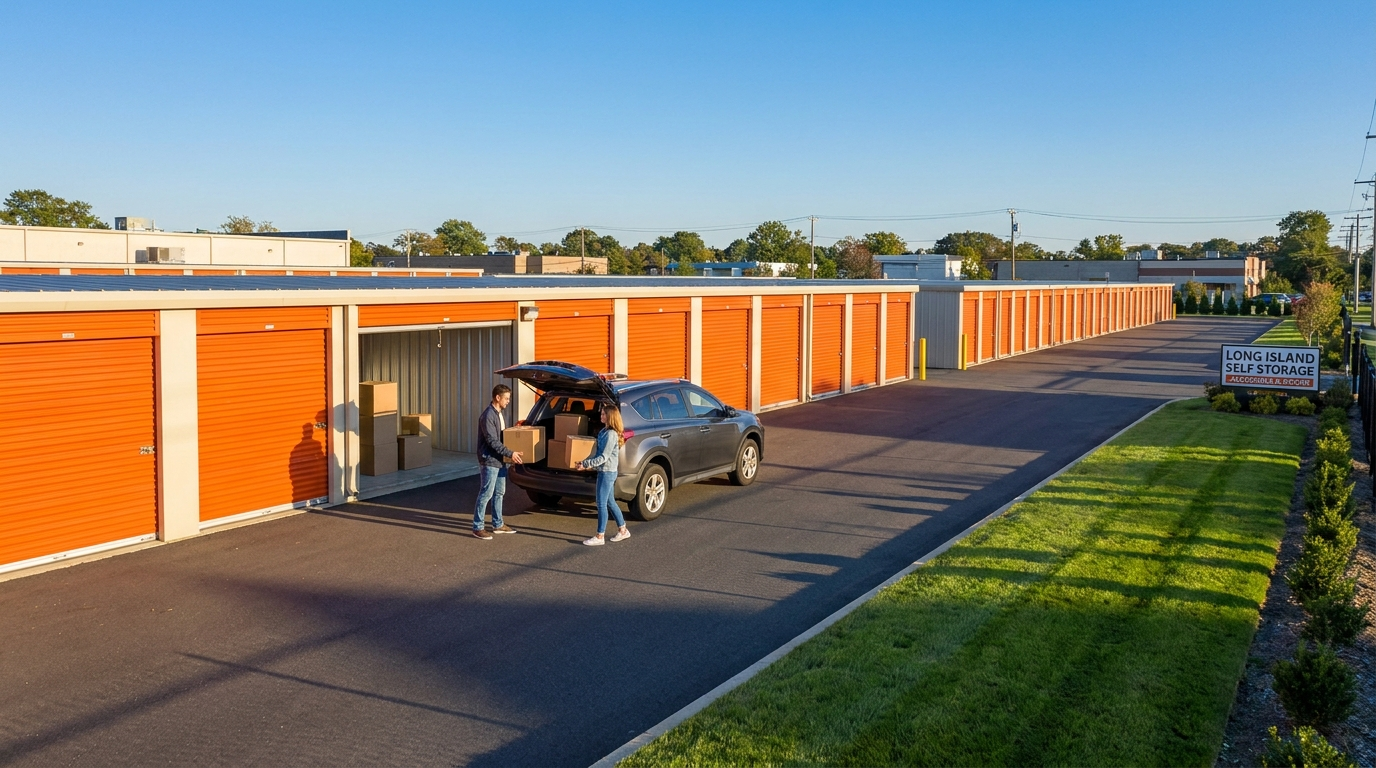
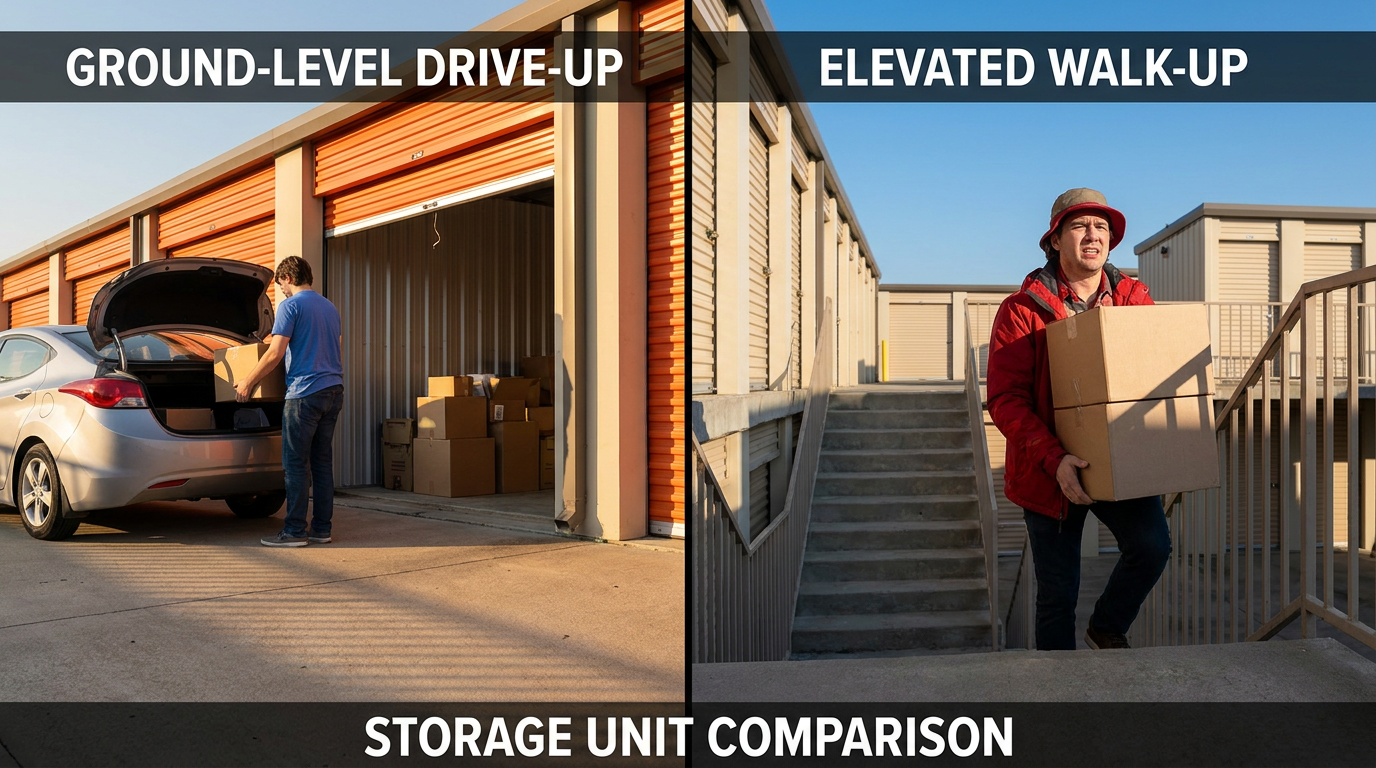
Wide drive aisles and adequate turning radius matter when maneuvering 30-foot trailers or 40-foot motorhomes. Ground-level, drive-up access eliminates the impossibility of using elevators or navigating tight indoor corridors with large vehicles.
For questions about access procedures and rental terms, the Moriches Storage FAQ page covers common topics including gate codes, payment methods, and move-in procedures.
Long Island Climate Considerations
Long Island's coastal environment creates specific storage challenges. Salt air accelerates corrosion on metal components, electrical connections, and trailer frames. Humidity levels averaging 70% during summer months promote mold growth inside enclosed RV interiors.
Winter Storage Challenges
Freeze-thaw cycles between December and March stress plumbing systems, seals, and fiberglass. Temperatures can swing from 45 degrees to 15 degrees within 48 hours during January cold fronts. Snow loads on boat covers and RV roofs can exceed 20 pounds per square foot during nor'easters.
Even outdoor storage requires proper winterization. The protection comes from preparation rather than shelter alone. Paved surfaces prevent trailers from sinking into mud during spring thaws, reducing frame stress and rust formation.
Summer UV Exposure
Direct sunlight degrades gelcoat, vinyl decals, rubber seals, and tire sidewalls. A boat or RV stored uncovered for three summers can show significant fading and seal deterioration. Quality covers or shrink-wrap mitigate these effects even in outdoor storage.
How to Prepare Your Boat for Storage
Proper preparation protects your investment regardless of storage type. These steps apply whether you choose outdoor parking or indoor warehouse storage.
Engine and Fuel System
Change engine oil before storage to remove combustion acids that corrode bearings during idle periods. Add fuel stabilizer to a full tank, then run the engine for 10 minutes to distribute treated fuel throughout the system. Fog the engine cylinders with storage oil if storing for more than three months.
For outboard motors, flush the cooling system with fresh water to remove salt deposits. Disconnect fuel lines and run the carburetor dry to prevent varnish buildup. Lower the motor to its full down position to drain water from the powerhead.
Water Systems and Interior
Drain all freshwater systems including livewells, ballast tanks, and washdown systems. Water left in hoses and pumps will freeze and crack components. Remove the drain plug and ensure the bilge is completely dry.
Clean the hull and topsides thoroughly to remove salt crystals and organic material that can stain gelcoat over winter. Apply a quality wax coating to protect the finish. Cover the boat with a breathable, UV-resistant cover or professional shrink-wrap.
Trailer Maintenance
Inspect tire condition and inflate to the maximum sidewall pressure. Consider using tire covers to block UV exposure. Check wheel bearings and repack with marine grease if needed. Apply a light coating of lubricant to the coupler, jack, and any exposed metal surfaces.
For detailed guidance on choosing the right storage space for your boat and trailer combination, review the Moriches Storage size guide which covers dimensions from 12x20 to 12x30 parking spaces.
How to Prepare Your RV for Storage
RV preparation follows similar principles with additional attention to living systems. These steps prevent the most common storage-related damage.
Plumbing Winterization
Drain the fresh water tank, water heater, and all holding tanks completely. Open all faucets and flush the toilet to clear lines. Add RV antifreeze to the system by either pumping it through the water lines or using the bypass method for the water heater.
Pour antifreeze into sink drains, shower drains, and the toilet bowl to protect P-traps from freezing. Use approximately one cup per drain. This step is essential even in covered storage since temperatures inside unheated RVs match outdoor conditions.
Battery and Electrical
Disconnect house batteries and either remove them for indoor storage or connect a smart trickle charger if shore power is available. Lead-acid batteries lose approximately 10% charge per month at 50 degrees and faster at higher temperatures. A dead battery left connected can drain to zero and suffer permanent sulfation damage.
Turn off the main breaker and LP gas valve. Remove all food items, even canned goods that can freeze and burst. Clean the refrigerator thoroughly and prop doors open to prevent mold growth.
Exterior Protection
Inspect roof seams and reseal any cracks with appropriate sealant. Check window seals and entry door gaskets. Cover roof vents with vent covers that allow airflow while blocking rain and snow. Close all blinds to reduce UV exposure to interior fabrics.
If using an RV cover, ensure it is breathable to prevent moisture accumulation. Tight plastic tarps can trap condensation and promote mold growth. Move the RV slightly every few months if possible to prevent tire flat spots.
Frequently Asked Questions
How much does boat and RV storage cost on Long Island?
Outdoor uncovered storage on Long Island costs $155 to $200 per month for spaces accommodating boats up to 30 feet or RVs up to 35 feet. Covered storage runs $200 to $350 monthly. Indoor non-climate storage costs $300 to $500 monthly. Marina winter storage typically charges $40 to $60 per foot of boat length for the season.
How much does it cost to store a 20-foot RV?
A 20-foot travel trailer or Class B motorhome fits comfortably in a 12x20 or 12x25 outdoor parking space. On Long Island, expect to pay $155 to $175 monthly for outdoor paved storage with security features. Covered storage for this size ranges from $200 to $275 monthly depending on location and amenities.
How much does it cost to store a 40-foot boat?
A 40-foot boat on a trailer requires a 12x30 or larger space, costing $175 to $225 monthly for outdoor storage. Indoor warehouse storage for this size is rare and typically exceeds $500 monthly when available. Marina winter storage would cost approximately $1,600 to $2,400 for the season at $40 to $60 per foot.
What is the cheapest way to store a boat on Long Island?
Outdoor uncovered storage at a self-storage facility or dedicated boat yard offers the lowest cost. Facilities like Extra Space Storage in Bay Shore advertise rates starting around $72 monthly for smaller spaces. For boats on trailers, paved parking lots with security features provide the best value at $155 to $200 monthly while protecting your investment.
Can I store my boat at a self-storage facility instead of a marina?
Yes, trailerable boats store well at self-storage facilities with outdoor parking. This option works for boats under 30 feet that you launch from public ramps rather than keeping in a slip. You handle winterization yourself or hire a mobile marine mechanic. Many owners use marina slips during boating season, then move to self-storage parking for the off-season to reduce costs.
What security features should I look for in boat and RV storage?
Prioritize facilities with perimeter fencing, electronic gate access with individual codes, video surveillance cameras, and LED lighting throughout the property. Paved surfaces indicate a well-maintained facility and prevent mud and standing water issues. On-site management during business hours adds accountability. Avoid facilities with broken fencing, poor lighting, or shared access codes.
Are there restrictions on parking an RV at home in Suffolk County?
Most Suffolk County towns restrict RV parking in residential driveways to 24 to 72 hours for loading and unloading purposes. Permanent storage in front yards or on streets is typically prohibited. Backyard storage may be permitted depending on setback requirements and screening. Check your specific town code, as regulations vary between Brookhaven, Southampton, Riverhead, and other municipalities.
Choosing the Right Storage Solution
The best storage choice balances protection level, access convenience, and monthly cost against your specific vehicle and usage patterns. Weekend boaters launching from Moriches Bay benefit from nearby facilities with 24/7 access. Seasonal RV travelers heading to New England campgrounds need easy highway access and flexible month-to-month terms.
For most Long Island boat and RV owners, outdoor paved storage with proper security features offers the optimal combination of value and protection. Facilities serving the South Shore communities from Mastic to Westhampton provide convenient access to both Sunrise Highway and Montauk Highway corridors.
Consider your vehicle's value, how often you access it, and your tolerance for weather exposure when making your decision. A newer $80,000 motorhome might justify covered storage costs, while a 15-year-old fishing boat on a trailer stores perfectly well in a secure outdoor lot with a quality cover.
Need help determining the right space size for your boat or RV? Contact the Moriches Storage team by phone at (631) 874-5306 or email for personalized recommendations based on your vehicle dimensions.
|