What Not to Store in Non-Climate Controlled Units (2026 Guide) |
| WHAT ITEMS SHOULD NOT GO IN NON-CLIMATE CONTROLLED STORAGE
⏱ 15 min read ·
📄 #2,944 words
Discover which items should never go in non-climate controlled storage. Learn what electronics, documents, and furniture need climate protection on Long Island.
|
E lectronics, important documents, wooden furniture, musical instruments, photographs, artwork, and leather goods should never be stored in non-climate controlled units. These items suffer permanent damage when exposed to temperature swings between 20°F and 100°F and humidity levels above 60%, conditions common in standard outdoor storage on Long Island's South Shore.
| Key Points: | |
|---|---|
| • | Electronics fail when humidity exceeds 60% due to corrosion on circuit boards and solder joints |
| • | Paper documents yellow and become brittle at temperatures above 75°F combined with high humidity |
| • | Wood furniture cracks and warps when humidity fluctuates more than 10% between seasons |
| • | Vinyl records warp permanently at temperatures above 85°F, common in summer storage units |
| • | Long Island's coastal humidity (averaging 70-80% in summer) accelerates deterioration of sensitive items |
Understanding Non-Climate Controlled Storage Risks
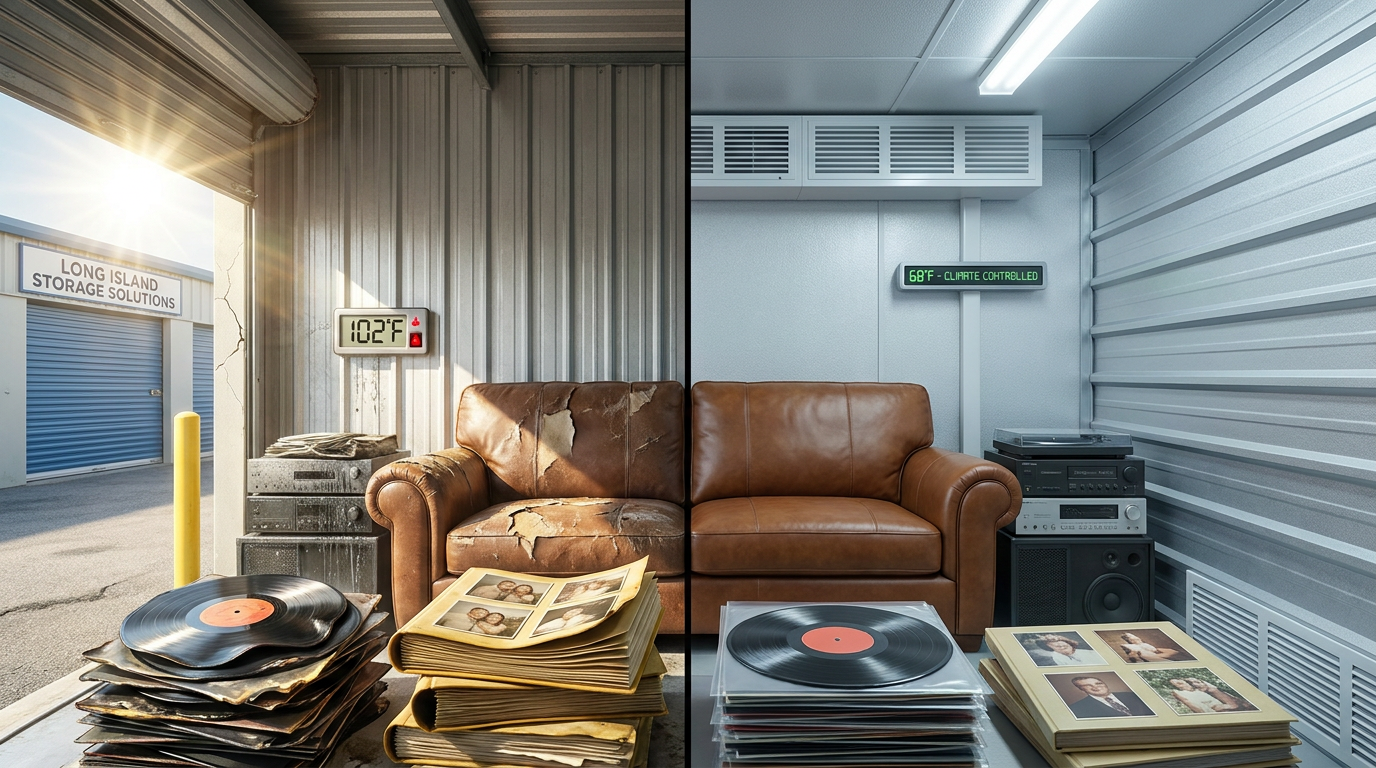
Non-climate controlled storage units lack temperature regulation and humidity management systems. According to the Self Storage Association industry data published by StorageCafe, these units experience temperature variations of 40-60 degrees Fahrenheit throughout the year in northeastern climates. In East Moriches and surrounding Suffolk County communities, summer temperatures inside metal storage units can reach 120°F while winter temperatures drop below freezing.
The primary threats to stored items include thermal cycling (repeated heating and cooling), condensation formation, mold growth, pest infiltration, and oxidation. Each threat affects different materials in specific ways, making some items completely unsuitable for standard outdoor storage.
Understanding these risks helps you make informed decisions about what belongs in drive-up storage versus what requires climate protection or home storage. The National Archives and Records Administration recommends maintaining temperatures between 65-70°F with 30-40% relative humidity for document preservation, conditions impossible to achieve in non-climate controlled environments.
Electronics and Electrical Equipment
Consumer electronics represent the highest-risk category for non-climate controlled storage damage. The Consumer Technology Association reports that humidity above 60% causes corrosion on printed circuit boards within 6-12 months. Temperature swings cause thermal expansion and contraction that crack solder joints and damage LCD screens.
Items That Should Never Enter Standard Storage Units
Televisions, computer monitors, and laptop screens contain liquid crystal displays that suffer permanent damage at temperatures below 32°F or above 100°F. Desktop computers and gaming consoles like PlayStation 5 or Xbox Series X contain capacitors rated for specific temperature ranges, typically 32-95°F for consumer devices.
Smart home devices, tablets, smartphones, and digital cameras contain lithium-ion batteries that degrade rapidly outside 50-86°F. The Battery University research database documents that lithium batteries stored at 104°F lose 35% capacity in just three months compared to 4% loss at 77°F.
Audio equipment including amplifiers, receivers, and speakers contains components sensitive to moisture. Vintage audio equipment with vacuum tubes faces particular risk, as thermal stress causes tube failure and transformer damage.
Why Short-Term Storage Still Causes Damage
Even 30-60 days of improper storage can cause measurable harm to electronics. Condensation forms when humid air contacts cool surfaces, depositing moisture directly onto circuit boards. This moisture combines with dust and contaminants to create conductive paths that short-circuit components when power is applied.
If you must store electronics temporarily, remove batteries, use silica gel desiccant packs (one pound per cubic foot of container space), and store items in airtight plastic bins elevated at least 4 inches off the floor. However, for storage exceeding 60 days, climate control remains the only safe option.
Paper Documents and Photographs
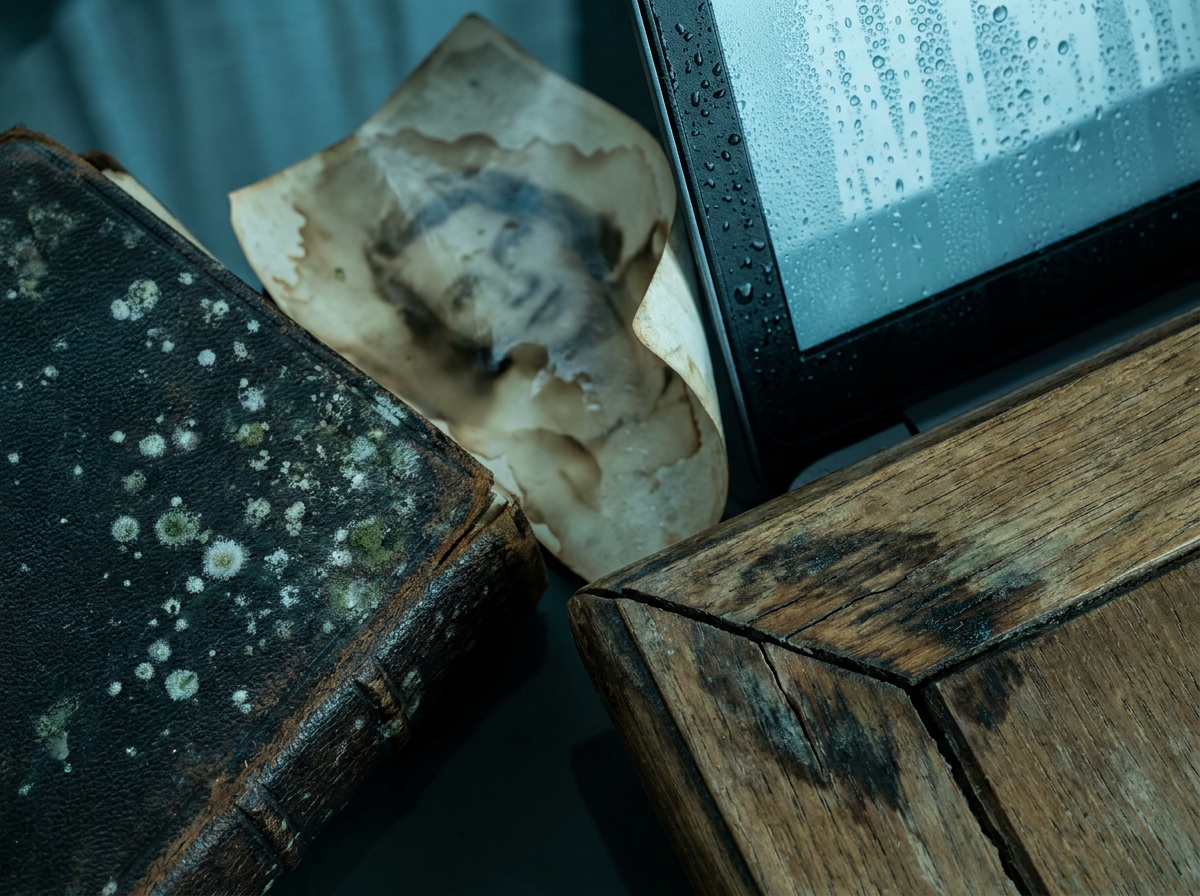
Paper products absorb moisture from humid air, leading to warping, foxing (brown spots), mold growth, and ink bleeding. The Library of Congress preservation guidelines specify that paper documents require 30-40% relative humidity and temperatures below 70°F for long-term preservation. Non-climate controlled units in coastal Long Island environments cannot meet these requirements.
Critical Documents to Keep Out of Standard Storage
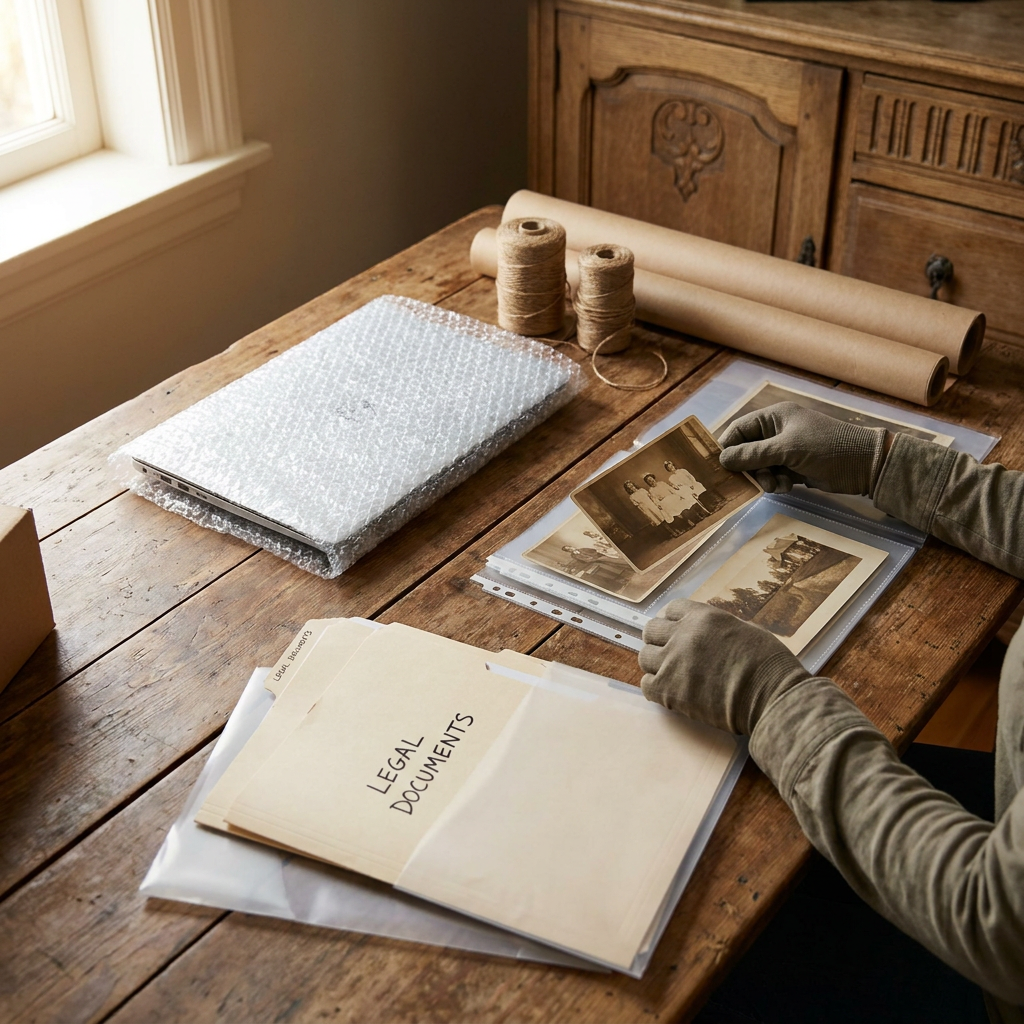
Legal documents including birth certificates, marriage licenses, property deeds, vehicle titles, wills, and trusts should never enter non-climate controlled storage. Replacement costs range from $25 for a birth certificate copy to $500 or more for legal document recreation, plus weeks of processing time.
Financial records, tax returns, and business documents face similar risks. The IRS requires taxpayers to retain records for 3-7 years, but documents stored improperly may become illegible or disintegrate before the retention period ends.
Photographs printed before 2000 contain silver halide emulsions particularly vulnerable to humidity damage. Color photographs fade and shift hues when stored above 75°F. According to Surewise insurance research, photo damage claims represent one of the most common storage-related losses.
Archival Materials and Collectibles
Comic book collections, trading cards, stamps, vintage magazines, and rare books require archival-quality storage conditions. The Comics Guaranty Company (CGC) and Professional Sports Authenticator (PSA) recommend storage at 65-70°F with 40-50% humidity for graded collectibles. Items stored improperly can lose 30-70% of their market value due to condition degradation.
Newspaper clippings, family letters, and genealogical documents contain acidic paper that deteriorates faster under temperature stress. If these items hold sentimental or historical value, they belong in climate-controlled environments or properly archived at home.
Wooden and Antique Furniture
Wood responds dramatically to humidity changes, absorbing moisture in humid conditions and releasing it in dry conditions. The Wood Database, a reference maintained by woodworking professionals, documents that wood expands and contracts 1-2% across the grain for every 10% change in humidity. Repeated cycling causes joints to loosen, veneer to separate, and solid wood to crack.
Furniture Categories at Highest Risk
Antique furniture constructed before 1950 typically uses hide glue that softens in humid conditions and becomes brittle in dry conditions. Pieces with inlay work, marquetry, or veneer face particular risk as different wood species expand at different rates, causing separation and lifting.
Solid hardwood furniture including dining tables, dressers, and bed frames develops cracks along the grain when humidity drops below 30%. Finishes including lacquer, shellac, and varnish can cloud, crack, or peel when exposed to temperature extremes.
Upholstered furniture attracts mold growth when humidity exceeds 60% for extended periods. Fabric absorbs moisture and odors that prove difficult or impossible to remove. Leather furniture dries out and cracks in low humidity while developing mildew in high humidity.
Short-Term Versus Long-Term Storage Considerations
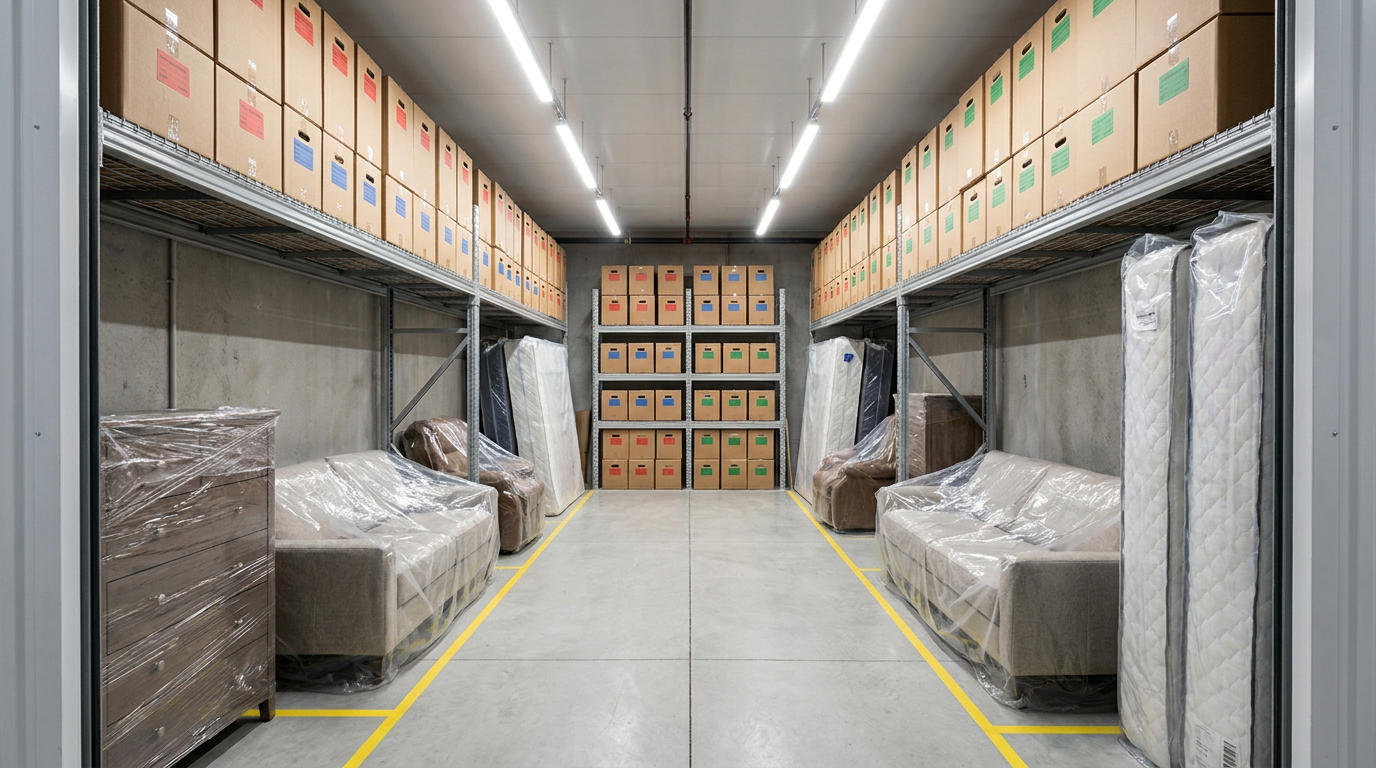
Standard furniture in good condition can tolerate 30-90 days in non-climate controlled storage if properly prepared. Clean all surfaces, apply furniture polish to wood, cover with breathable cotton sheets (not plastic), and elevate pieces off concrete floors using pallets or furniture risers.
For storage exceeding 90 days, or for any furniture with sentimental, antique, or monetary value exceeding $500, climate control provides essential protection. The cost difference between standard and climate-controlled storage ($30-75 per month for typical unit sizes) is minimal compared to furniture replacement or restoration costs.
Musical Instruments
Musical instruments represent precision-crafted items with components calibrated to specific tolerances. The National Association of Music Merchants (NAMM) recommends storing instruments at 45-55% relative humidity and 65-75°F. Deviations outside these ranges cause tuning instability, structural damage, and permanent tonal changes.
String Instruments and Pianos
Guitars, violins, cellos, and other string instruments contain thin wooden tops designed to vibrate at specific frequencies. Humidity changes cause the top to swell or shrink, altering string action and tone. Cracks in the soundboard, a common humidity-related failure, cost $200-2,000 to repair depending on instrument quality.
Acoustic pianos contain thousands of wooden, felt, and metal components that respond differently to environmental changes. Piano technicians report that instruments stored in non-climate controlled environments require extensive regulation and voicing work costing $300-800 before returning to playable condition.
Brass, Woodwind, and Percussion Instruments
Brass instruments develop corrosion and valve damage when stored in humid conditions. Woodwind instruments with wooden bodies (clarinets, oboes) crack when humidity drops below 40%. Drums with natural skin heads stretch or shrink with humidity changes, requiring replacement.
Electronic keyboards and synthesizers face the same risks as other electronics, with the added concern that humidity can damage key mechanisms and internal sound generation components.
Artwork and Collectibles
Fine art requires museum-quality environmental control for preservation. The American Institute for Conservation recommends 70°F with 45-55% relative humidity for paintings, with maximum fluctuations of 5°F and 5% humidity within any 24-hour period. Non-climate controlled storage cannot approach these standards.
Paintings and Framed Art
Oil paintings on canvas expand and contract with humidity changes, causing paint to crack and flake. Acrylic paintings become tacky in high temperatures and can stick to protective coverings. Watercolors and works on paper face the same risks as documents, with added concerns about pigment fading.
Framed artwork with glass faces condensation risks. Moisture trapped between glass and artwork causes foxing, mold growth, and permanent staining. Museum-quality framing with UV-protective glazing and acid-free matting provides some protection but cannot compensate for extreme environmental conditions.
Vinyl Records and Media Collections
Vinyl records warp at temperatures above 85°F, a threshold easily exceeded in summer storage units. The Discogs marketplace reports that warped records lose 50-90% of their value depending on severity. Proper storage requires vertical positioning in climate-controlled environments.
CD and DVD collections face degradation of the reflective layer and polycarbonate substrate at high temperatures. While more resilient than vinyl, optical media stored improperly for 2-5 years may become unreadable.
Comparison: Items Safe vs. Unsafe for Non-Climate Storage
| Category | Safe for Non-Climate Storage | Requires Climate Control |
|---|---|---|
| Furniture | Metal patio furniture, plastic chairs, outdoor tables | Antiques, solid wood pieces, leather, upholstered items |
| Equipment | Hand tools, lawn equipment, bikes, camping gear | Electronics, computers, TVs, audio equipment |
| Documents | Photocopies, non-essential paperwork (short-term) | Legal documents, photos, rare books, collectibles |
| Clothing | Seasonal clothes in sealed bins, work clothes | Wedding dresses, furs, leather, vintage textiles |
| Sports Gear | Bicycles, kayaks, golf clubs, weights | Skis with bindings, scuba gear, archery equipment |
| Household | Dishes, cookware, holiday decorations, toys | Mattresses, bedding, candles, cosmetics |
Items Prohibited in All Storage Units
Regardless of climate control, certain items are prohibited by storage facility policies, insurance requirements, and local regulations. Understanding these restrictions prevents lease violations and potential legal liability.
Hazardous Materials and Flammables
Gasoline, propane, kerosene, and other fuels create fire and explosion risks. Paint, paint thinner, varnish, and solvents release volatile organic compounds (VOCs) that pose health hazards. Pesticides, fertilizers, and pool chemicals can contaminate adjacent units and create toxic environments.
Ammunition and firearms may be restricted depending on facility policy and local ordinances. Fireworks and explosives are universally prohibited. According to Satellite Self Storage's facility guidelines, these restrictions exist to protect all tenants and comply with fire codes.
Perishables and Living Things
Food attracts rodents, insects, and other pests that can spread to neighboring units. This includes pet food, birdseed, and any organic materials. Plants cannot survive without light and proper watering. Animals, including pets temporarily, are never permitted in storage facilities.
Wet or damp items should never enter storage. Items must be completely dry before storage to prevent mold growth that can spread throughout the facility.
Long Island Climate Considerations
East Moriches and surrounding South Shore communities face unique storage challenges due to coastal climate conditions. The National Weather Service records average summer humidity of 70-80% in Suffolk County, with frequent readings above 85% during July and August. Winter temperatures regularly drop below 20°F, with occasional readings near 0°F.
Seasonal Temperature Extremes
Metal storage units in direct sunlight can reach internal temperatures of 120-140°F during summer heat waves. The temperature differential between day and night causes condensation as humid air cools, depositing moisture on stored items. This cycle repeats daily during summer months, accelerating deterioration of sensitive materials.
Winter brings freezing temperatures that can crack electronics, burst sealed containers with liquid contents, and cause wood to become brittle. The freeze-thaw cycle is particularly damaging to items with mixed materials that expand and contract at different rates.
Salt Air and Coastal Humidity
Proximity to Moriches Bay and the Atlantic Ocean means salt-laden air reaches inland storage facilities. Salt accelerates corrosion of metal components, including hinges, locks, and metal furniture. Items stored near the coast require additional protection even in climate-controlled environments.
The combination of high humidity and salt air makes Long Island one of the more challenging environments for non-climate controlled storage in the northeastern United States. Items that might survive standard storage in drier inland climates face significantly higher risk in coastal Suffolk County.
Protecting Items If Non-Climate Storage Is Your Only Option
When budget constraints or availability limit options to non-climate controlled storage, proper preparation can reduce (but not eliminate) damage risks. These techniques work best for short-term storage of 30-90 days.
Moisture Control Strategies
Place moisture-absorbing products throughout the unit. DampRid, silica gel, and similar desiccants remove humidity from enclosed spaces. Use one container per 100 square feet of floor space, replacing monthly during humid seasons. Activated charcoal absorbs odors and some moisture.
Elevate all items at least 4 inches off concrete floors using pallets, shelving, or furniture risers. Concrete absorbs ground moisture and transfers it to items in direct contact. Leave 2-3 inches of space between items and walls for air circulation.
Packing and Covering Techniques
Use plastic bins with tight-fitting lids for small items, books, and clothing. Avoid cardboard boxes, which absorb moisture and attract pests. Wrap furniture in breathable cotton moving blankets, not plastic sheeting that traps moisture against surfaces.
Clean all items thoroughly before storage. Dirt and organic residue attract pests and promote mold growth. Apply furniture polish to wood surfaces, condition leather items, and ensure all fabrics are freshly laundered and completely dry.
What Can Safely Go in Non-Climate Controlled Storage
Many common household items tolerate temperature and humidity variations without significant damage. Choosing the right storage unit size for these items helps maximize value from non-climate controlled options.
Outdoor and Recreational Equipment
Lawn mowers, snow blowers, and garden tools store well in standard units. Drain fuel before storage to prevent carburetor damage and comply with facility rules. Bicycles, kayaks, paddleboards, and camping equipment tolerate temperature swings. Metal hand tools, power tools, and hardware remain stable with light oiling to prevent rust.
Durable Household Items
Dishes, cookware, small appliances without electronics, and general kitchenware store safely. Plastic storage containers, holiday decorations (excluding candles), and children's toys made of plastic or metal tolerate variable conditions. Metal patio furniture, outdoor cushions in sealed bags, and garden decor handle temperature extremes.
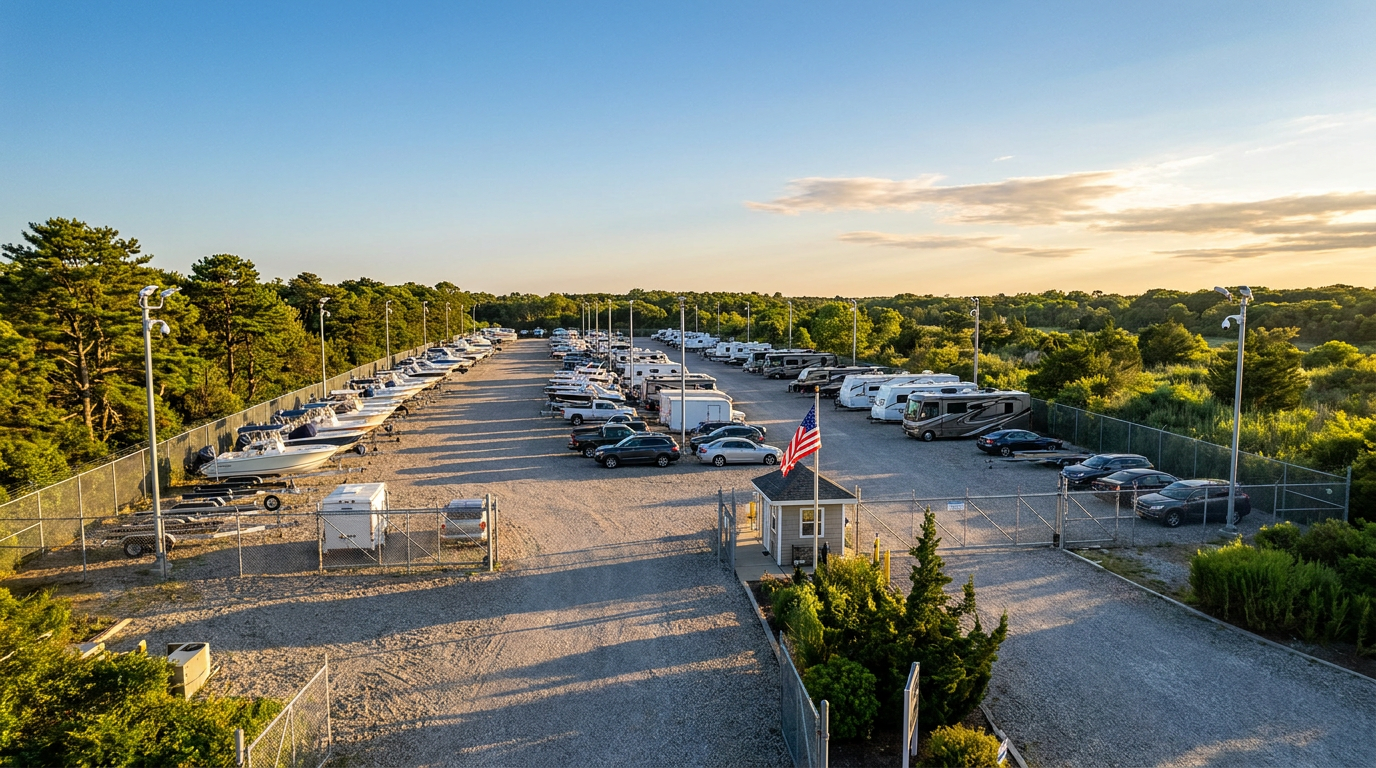
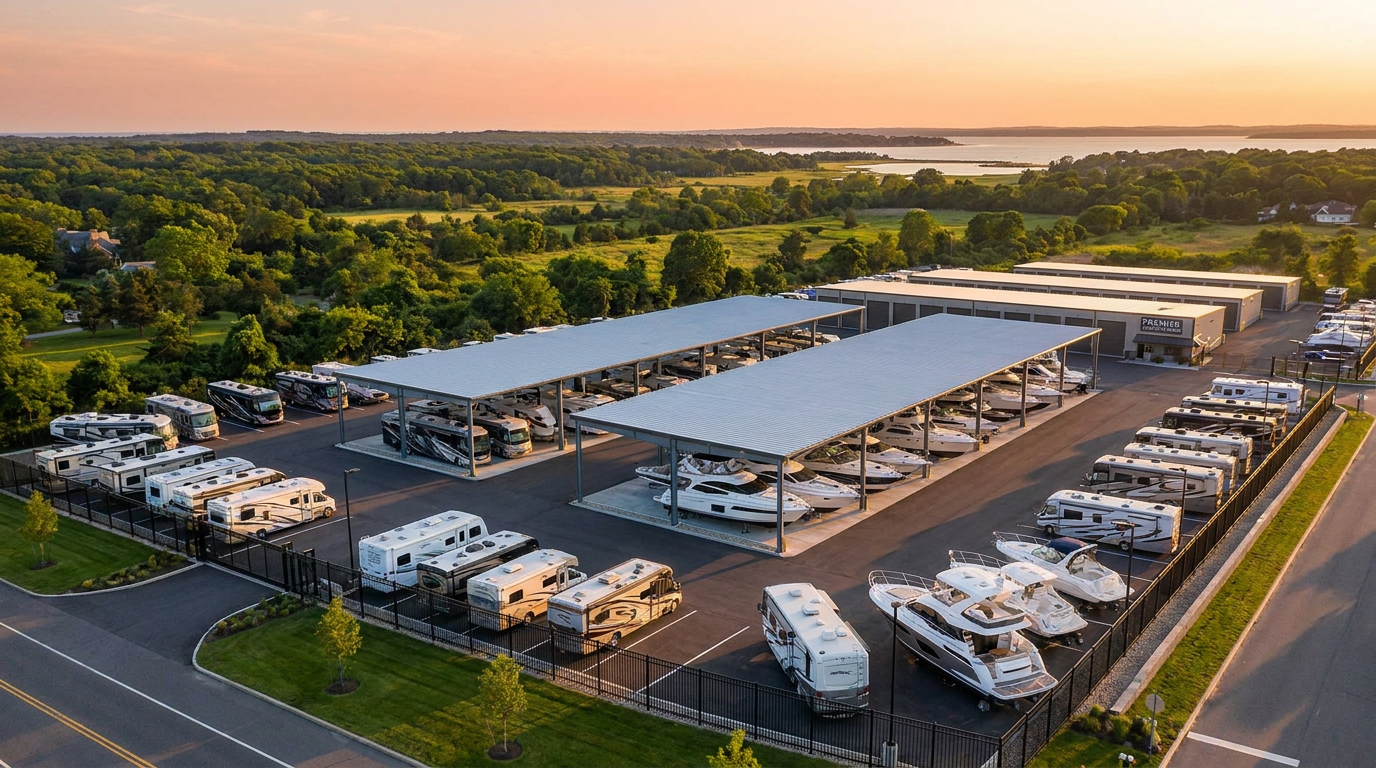
Vehicles including cars, motorcycles, boats, and RVs often use non-climate controlled outdoor parking or covered spaces. Proper preparation including fuel stabilizer, battery maintenance, and tire care enables safe long-term vehicle storage. Our facility in East Moriches offers open parking spaces for boats, RVs, and vehicles with 24/7 access.
Frequently Asked Questions
What not to put in a non-climate-controlled storage unit?
Never store electronics, important documents, photographs, wooden furniture, musical instruments, artwork, leather goods, wine, candles, or cosmetics in non-climate controlled units. These items suffer permanent damage from temperature swings between 20-120°F and humidity levels above 60%, conditions common in standard outdoor storage.
Can I store clothes in a non-climate-controlled storage unit?
Everyday clothing in sealed plastic bins can tolerate non-climate controlled storage for 3-6 months. However, wedding dresses, formal wear, leather jackets, fur coats, silk garments, and vintage textiles require climate control. Humidity causes mold, mildew, and permanent odors in fabrics, while temperature extremes can damage delicate fibers and embellishments.
What items should I never put in a self storage unit?
All storage facilities prohibit hazardous materials (gasoline, propane, chemicals), perishable food, plants, animals, firearms and ammunition (varies by facility), and illegal items. Beyond prohibited items, avoid storing irreplaceable documents, family heirlooms, and high-value collectibles in any storage unit without appropriate climate control and tenant protection coverage.
Can I store a TV in a non-climate-controlled storage unit?
Storing a television in non-climate controlled storage risks permanent damage. LCD and OLED screens crack at temperatures below 32°F and suffer pixel damage above 100°F. Humidity above 60% causes corrosion on circuit boards and power supply components. If you must store a TV for under 30 days, use the original box, add desiccant packs, and store during mild weather months only.
How long can I keep items in non-climate controlled storage without damage?
Duration depends on item type and local climate. Durable items (tools, outdoor furniture, sporting goods) can remain indefinitely. Moderately sensitive items (everyday clothing, general household goods) tolerate 6-12 months with proper preparation. Sensitive items (electronics, documents, wood furniture) should not exceed 30-60 days, and many experts recommend avoiding non-climate storage entirely for these categories.
What is the difference between climate controlled and non-climate controlled storage?
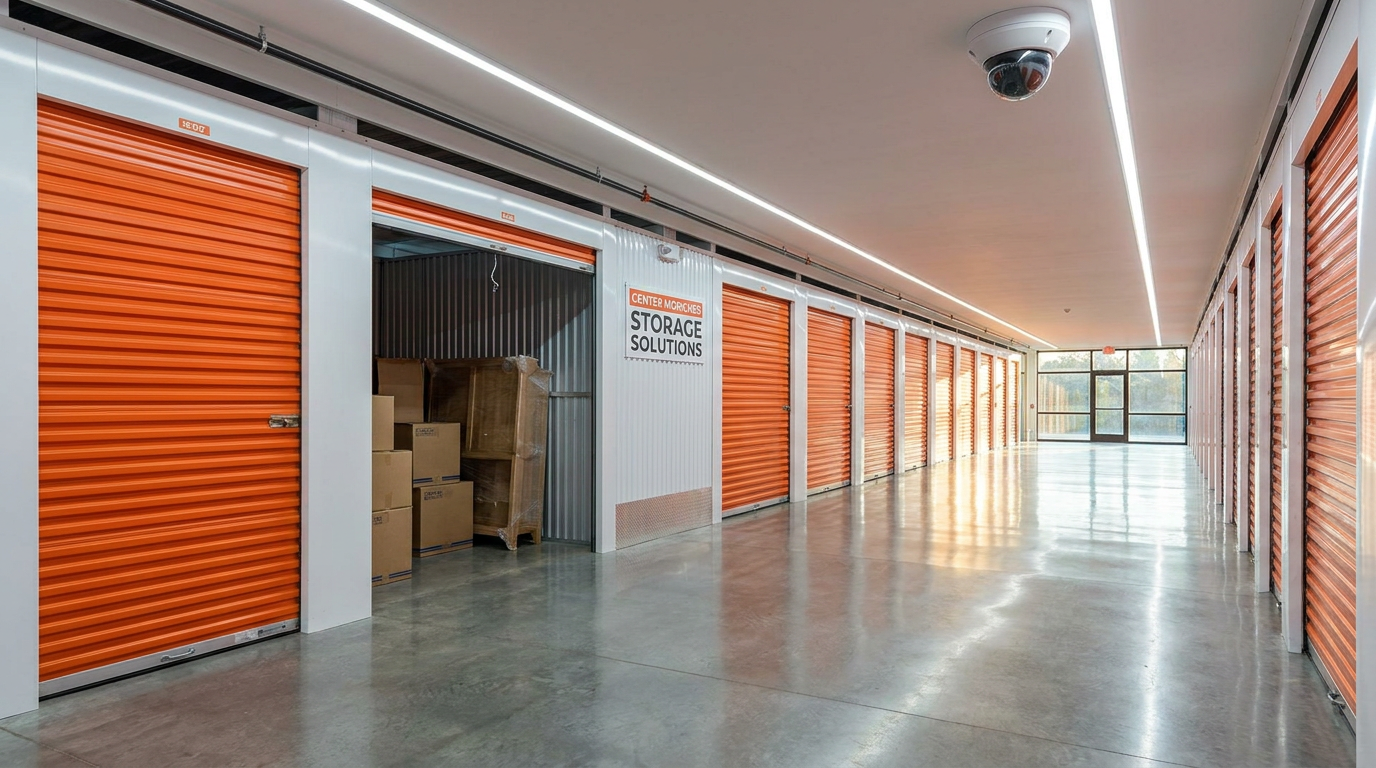
Climate controlled units maintain temperatures between 55-80°F year-round with humidity levels between 30-50%. Non-climate controlled units experience ambient outdoor temperatures (potentially 20-120°F in Long Island) and humidity matching outdoor conditions (often 70-85% in summer). Climate control typically costs $30-75 more per month but prevents thousands of dollars in potential damage to sensitive items.
Making the Right Storage Decision
Choosing between climate controlled and non-climate controlled storage requires honest assessment of what you are storing, how long you need storage, and the replacement cost or sentimental value of your items. For questions about which storage option fits your needs, contact our team by phone, text, or email.
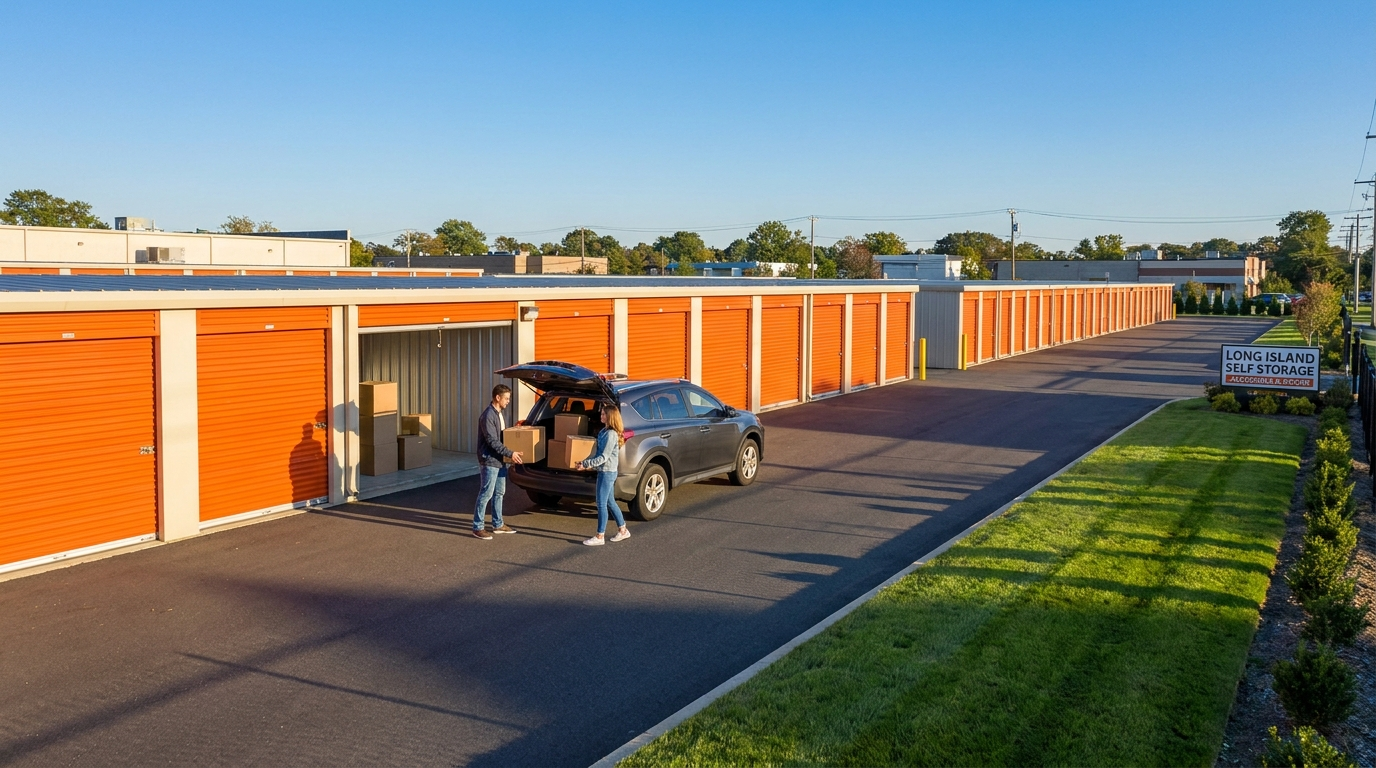
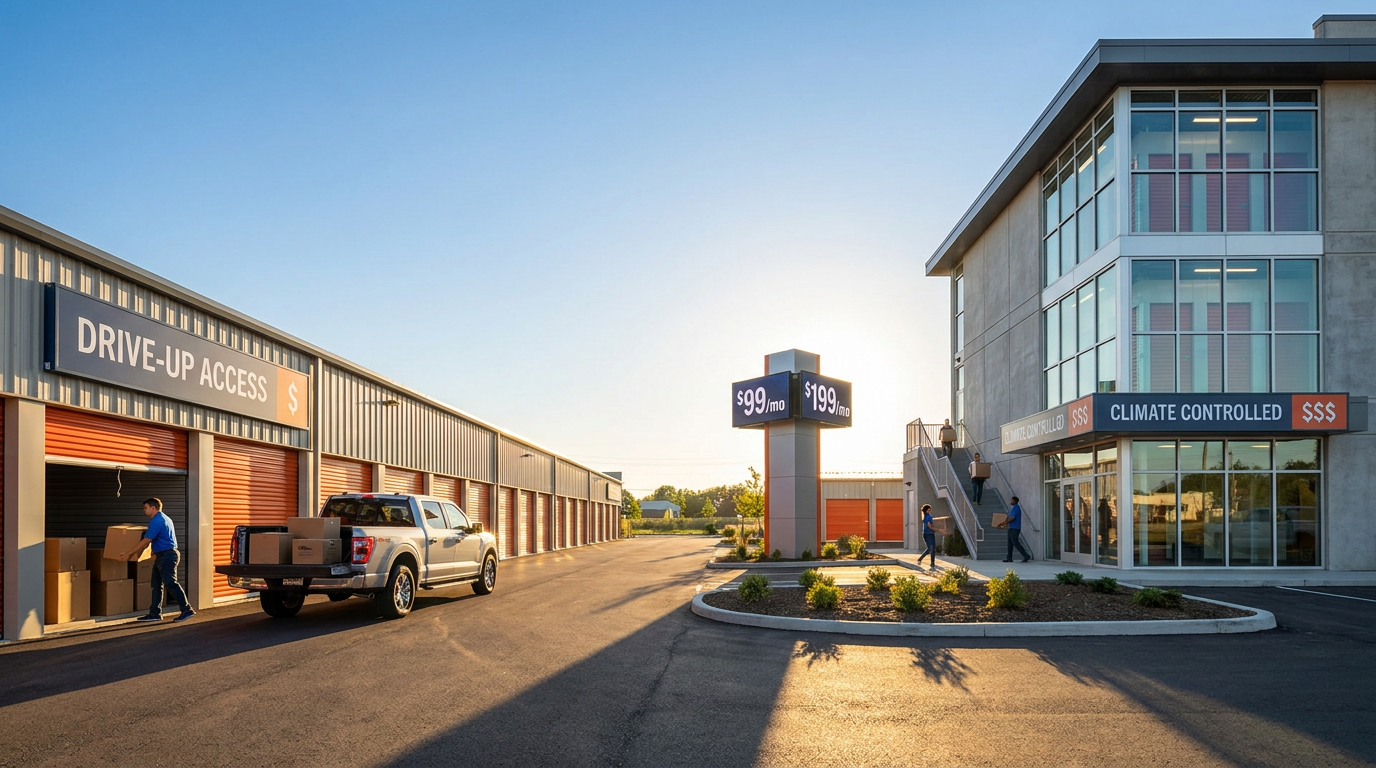
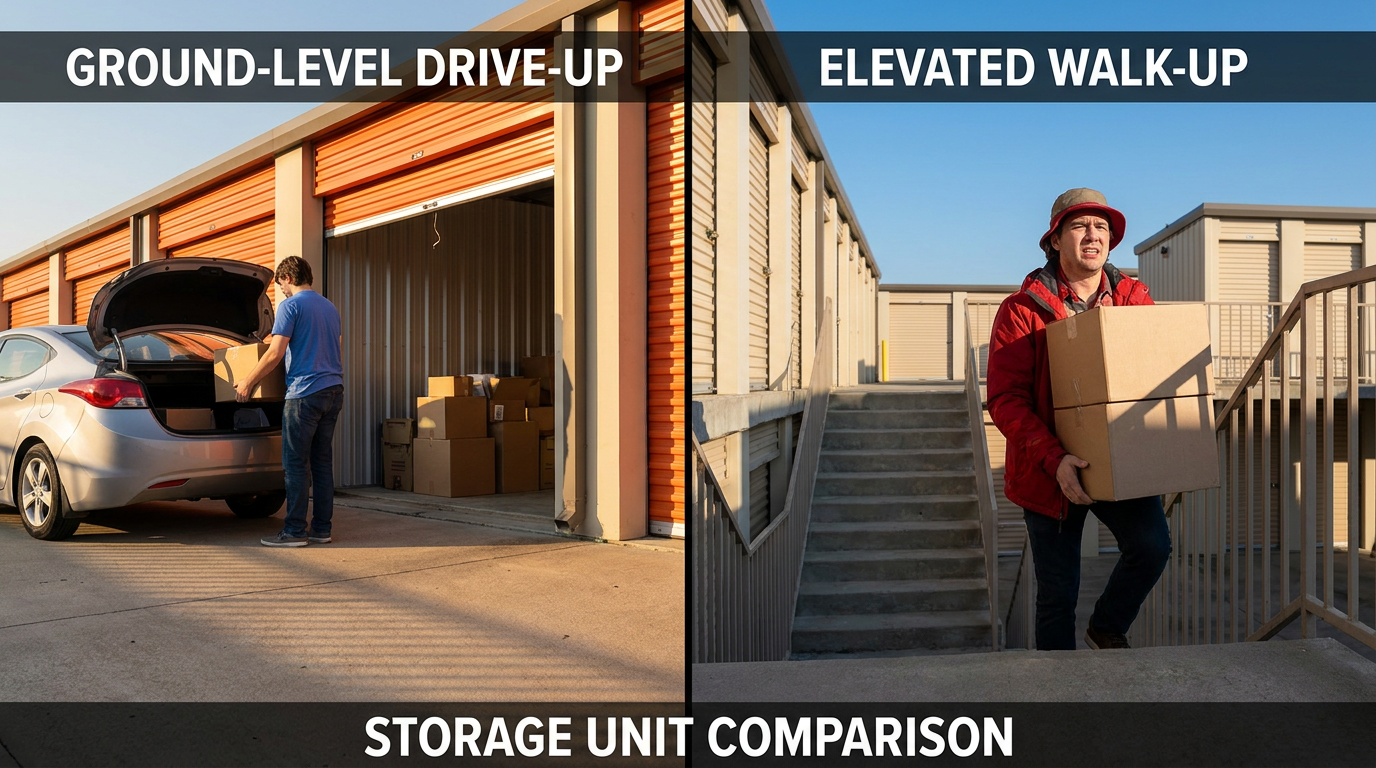
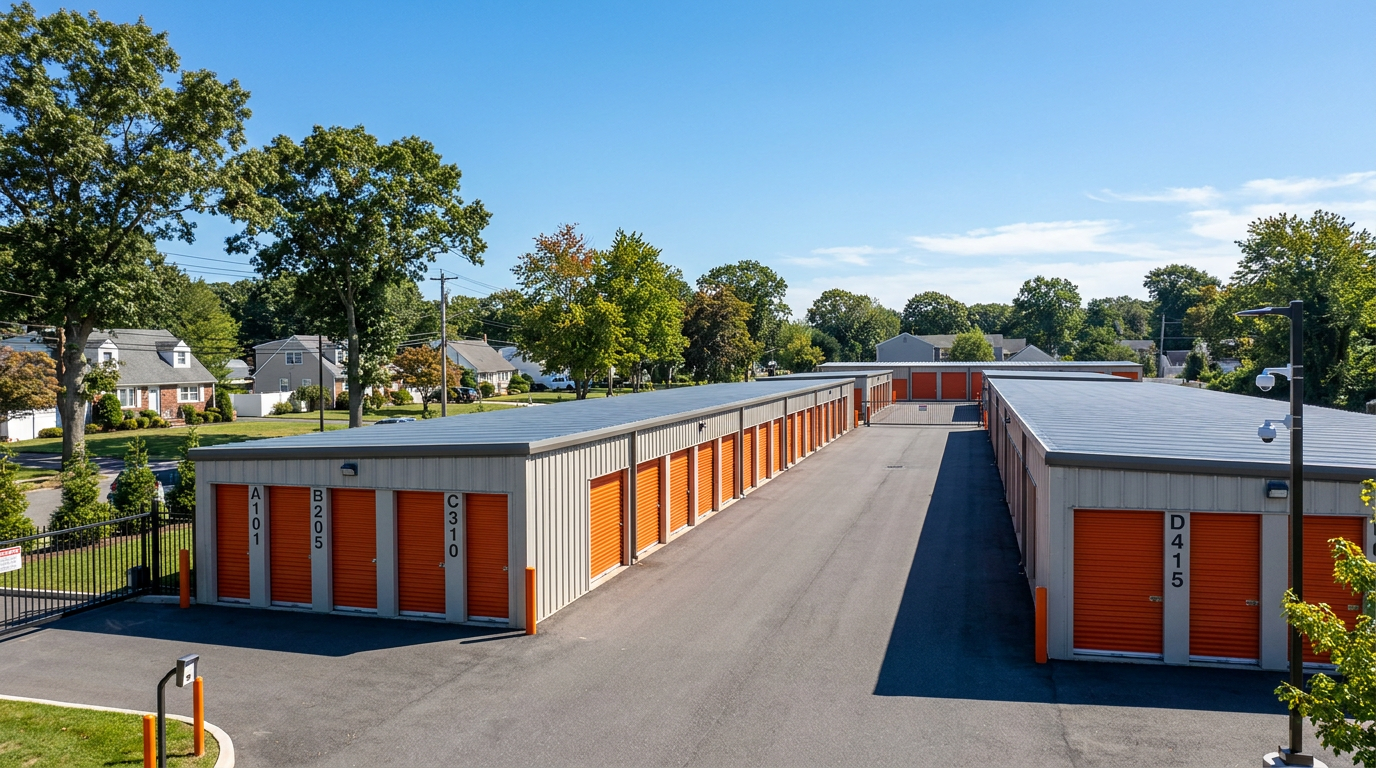
Non-climate controlled drive-up units offer excellent value for durable items, seasonal storage, and short-term needs during moves or renovations. The convenience of drive-up access, 24/7 availability, and lower monthly costs make standard units ideal for many storage situations. Review our frequently asked questions for details about our rental process, payment options, and facility features.
When storing sensitive items, the modest additional cost of climate control or keeping items at home provides insurance against irreplaceable losses. Calculate the replacement value of items you plan to store, then compare against the cost difference between storage options over your expected storage duration.
|