Drive-Up Storage Units vs Walk-In: Complete Access Comparison |
| DRIVE-UP STORAGE UNITS VS WALK-IN: COMPLETE ACCESS COMPARISON
⏱ 11 min read ·
📄 #2,051 words
Compare drive-up vs walk-in storage units for access speed, convenience, and protection. Learn which storage type fits your needs on Long Island.
|
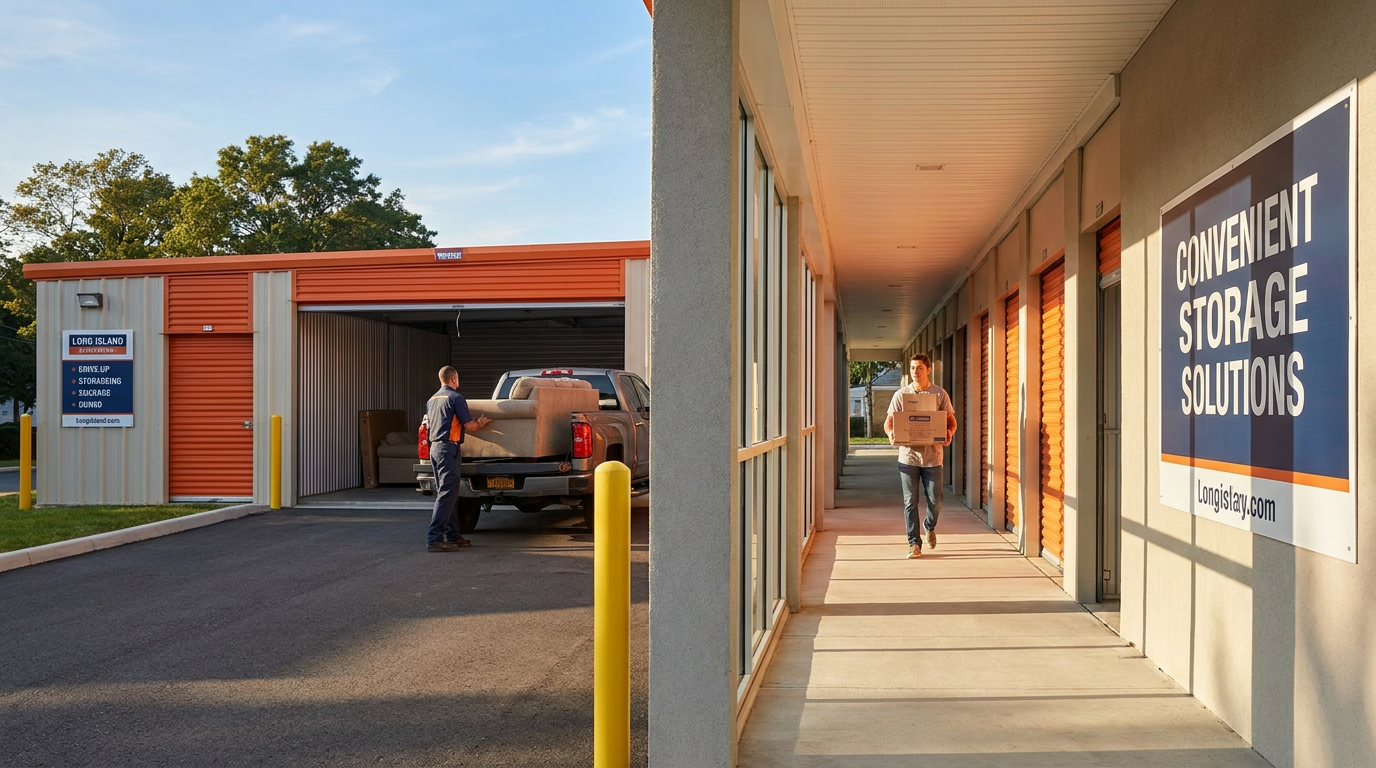
D rive-up storage units let you park directly at your unit door for fast loading and unloading, while walk-in (indoor) storage requires entering a building and navigating hallways or elevators to reach your space. Drive-up access saves 15 to 30 minutes per visit for heavy or bulky items, making it the better choice for furniture, equipment, and frequent access needs.
| Key Points: | |
|---|---|
| • | Drive-up units allow vehicle-to-unit loading in under 5 minutes; walk-in units require 15 to 30 minutes for the same task |
| • | Walk-in storage offers better climate stability (55 to 80 degrees Fahrenheit) for temperature-sensitive items |
| • | Drive-up storage costs $135 to $595 per month depending on size; walk-in units often cost 10 to 20 percent more |
| • | Ground-level drive-up access eliminates stairs, elevators, and hallway navigation entirely |
| • | 24/7 access with drive-up units means you can retrieve items at 2 AM without staff assistance |
What Defines Drive-Up vs Walk-In Storage Access
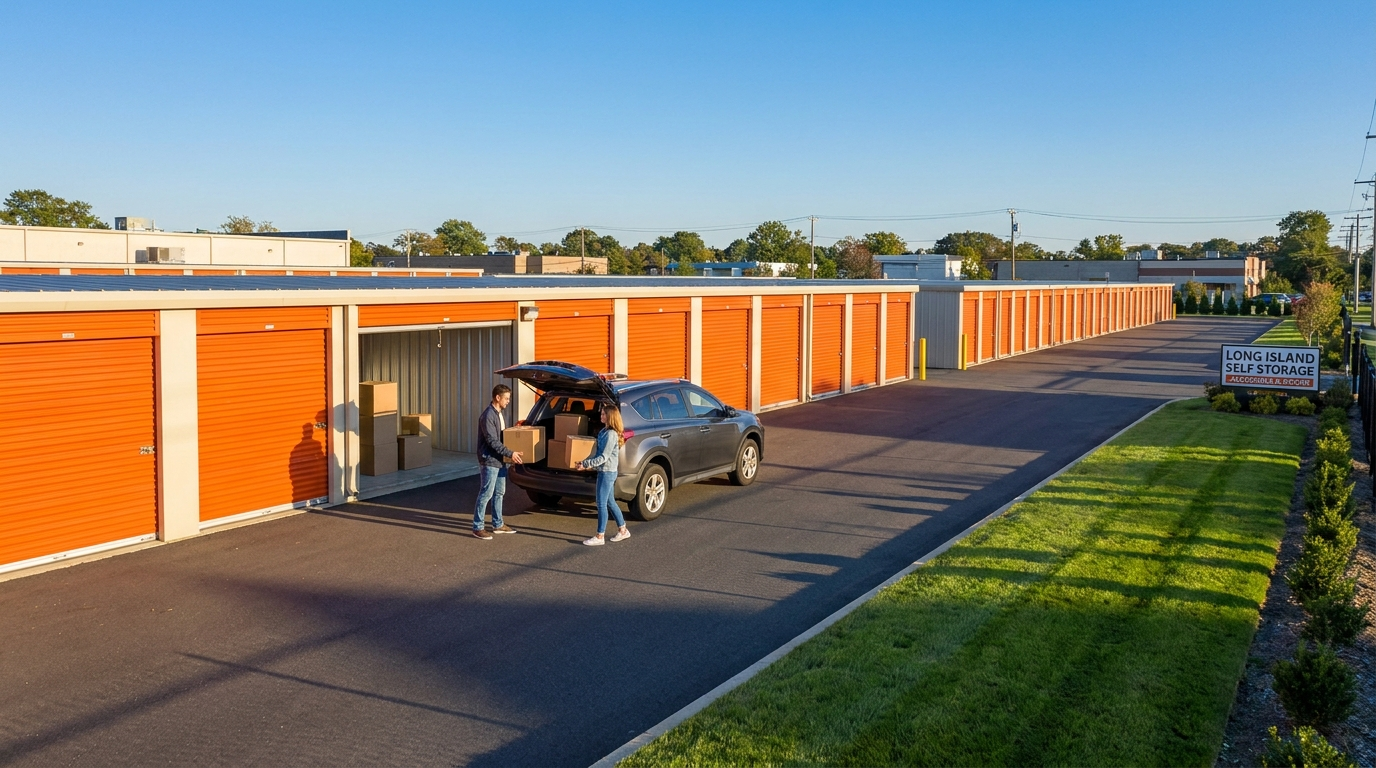
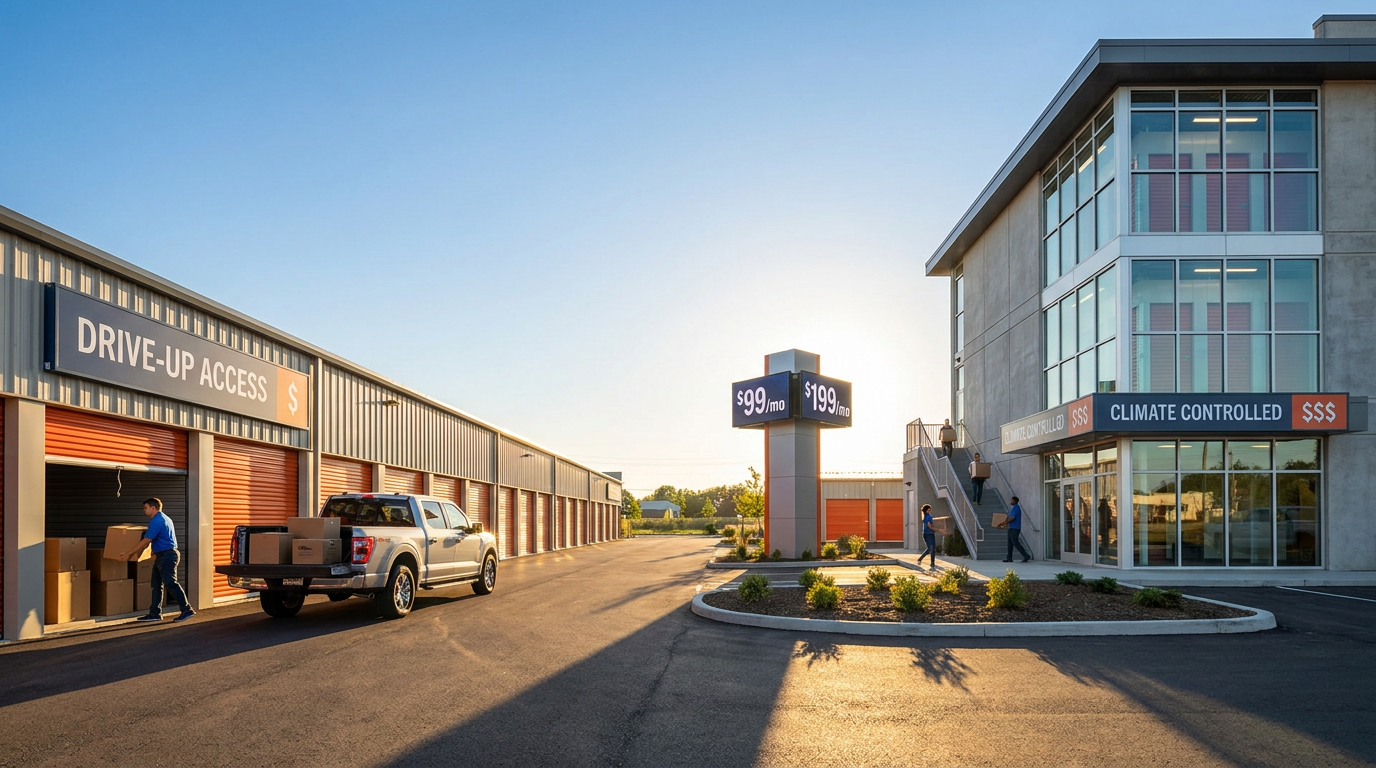
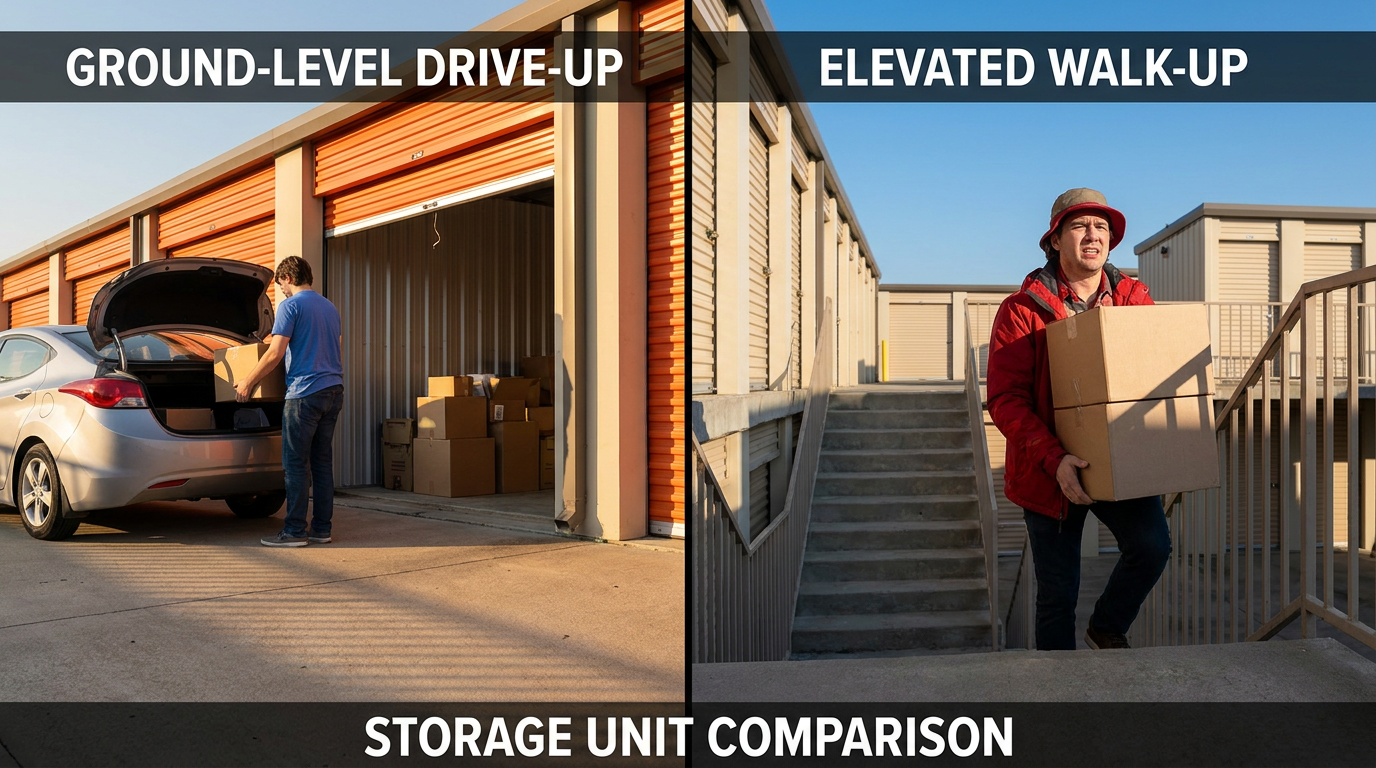
Drive-up storage units are ground-level spaces with roll-up doors that face a driveway or parking area. You pull your vehicle directly to the unit entrance, open the door, and transfer items without any intermediate steps. According to Urban Storage's guide on drive-up access, this configuration mirrors a residential garage experience.
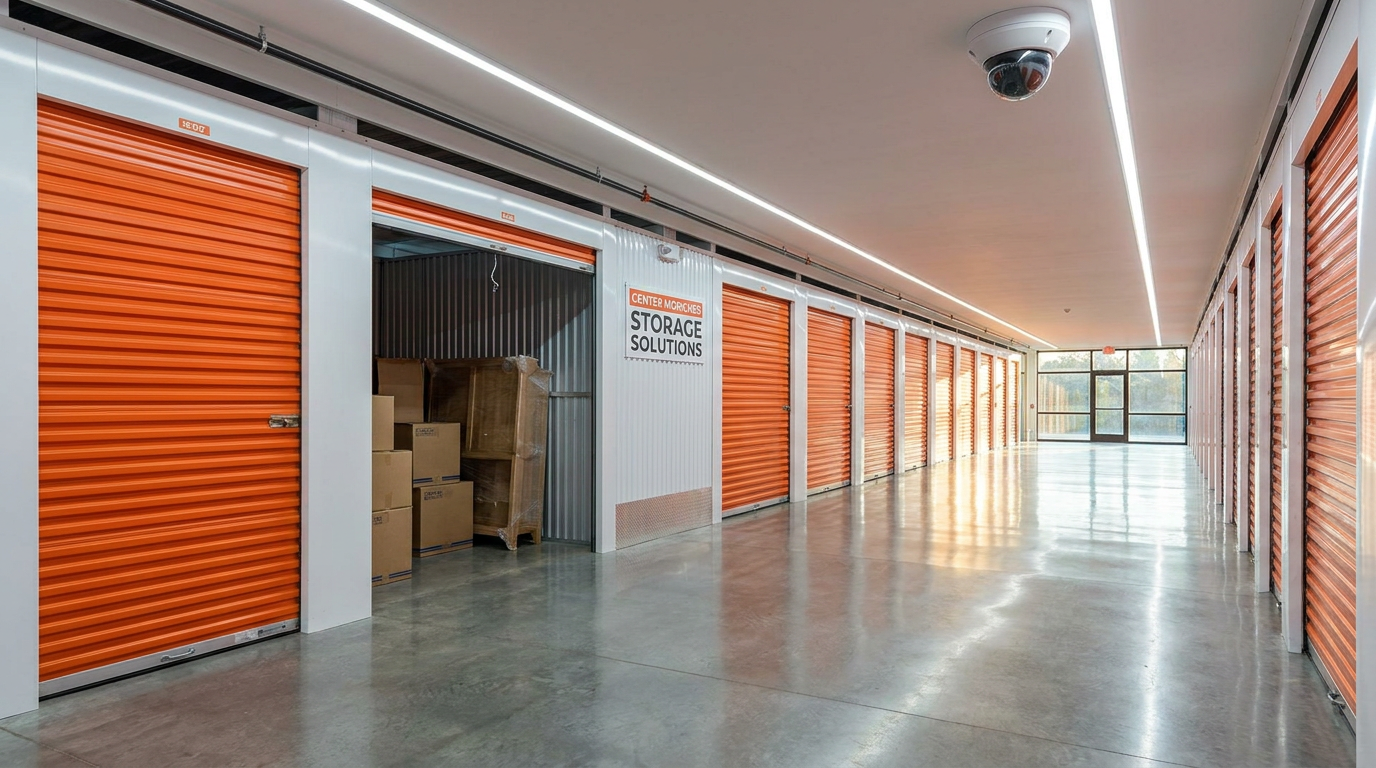
Walk-in storage, also called indoor storage, places units inside a multi-story building. Access requires entering through a main door, walking through climate-controlled corridors, and potentially using elevators or stairwells. The Self Storage Association reports that approximately 60 percent of storage facilities in the United States offer some form of drive-up access.
The fundamental difference comes down to proximity between your vehicle and your belongings. Drive-up eliminates all barriers. Walk-in adds layers of building infrastructure between you and your stuff.
Access Speed and Convenience Comparison
Time savings represent the most measurable advantage of drive-up storage. Loading a 10x10 unit with furniture takes approximately 45 minutes with drive-up access versus 75 to 90 minutes with walk-in access, based on industry estimates from Extra Space Storage's comparison guide.
The efficiency gap widens with heavier items. Moving a 200-pound couch from a truck to a walk-in unit on the third floor requires a dolly, elevator wait times, and careful hallway navigation. The same couch moves from truck to drive-up unit in under 3 minutes.
Frequency of visits also factors into the decision. Contractors accessing inventory daily benefit enormously from drive-up convenience. Someone storing archived documents they check once yearly may not notice the access difference.
| Factor | Drive-Up Storage | Walk-In Storage |
|---|---|---|
| Loading time for 10x10 unit | 45 minutes average | 75 to 90 minutes average |
| Vehicle proximity | 0 to 5 feet from unit door | 50 to 300 feet typical |
| Stairs or elevators required | Never | Often (upper floors) |
| Best for heavy items | Yes | No |
| Weather exposure during access | Moderate (at unit door) | Minimal (inside building) |
Climate and Environmental Protection Differences
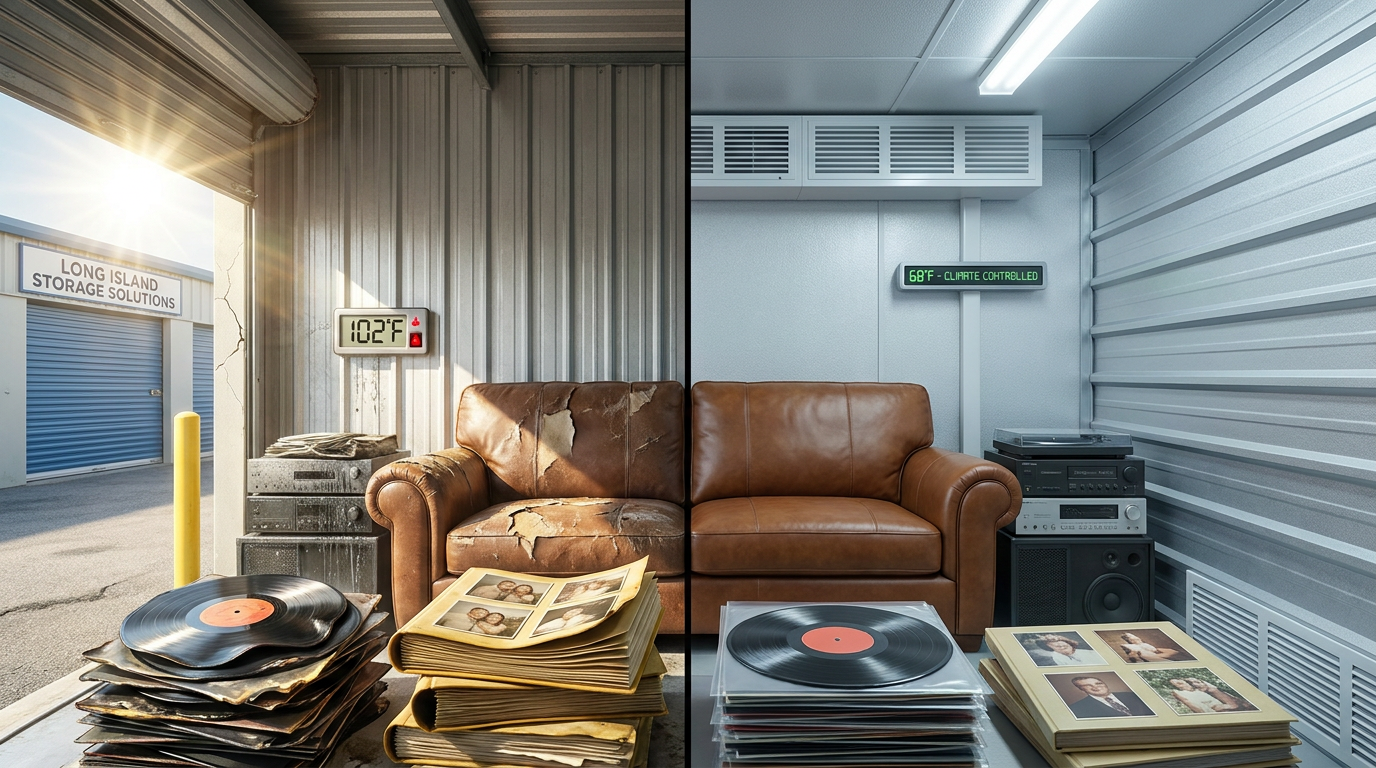
Walk-in storage typically offers superior environmental control. Indoor units maintain temperatures between 55 and 80 degrees Fahrenheit year-round, with humidity levels between 30 and 50 percent. This stability protects electronics, wooden furniture, photographs, and documents from warping, cracking, or mold growth.
Drive-up units experience temperature fluctuations matching outdoor conditions. On Long Island, summer temperatures inside a non-climate-controlled drive-up unit can reach 100 to 110 degrees Fahrenheit. Winter temperatures may drop to 20 degrees or below. These swings stress sensitive materials over time.
However, climate sensitivity varies dramatically by item type. Metal tools, plastic bins, sporting equipment, and seasonal decorations tolerate temperature changes without damage. According to MyPlace Self-Storage's climate comparison, approximately 70 percent of commonly stored household items do not require climate control.
Security Considerations for Each Storage Type
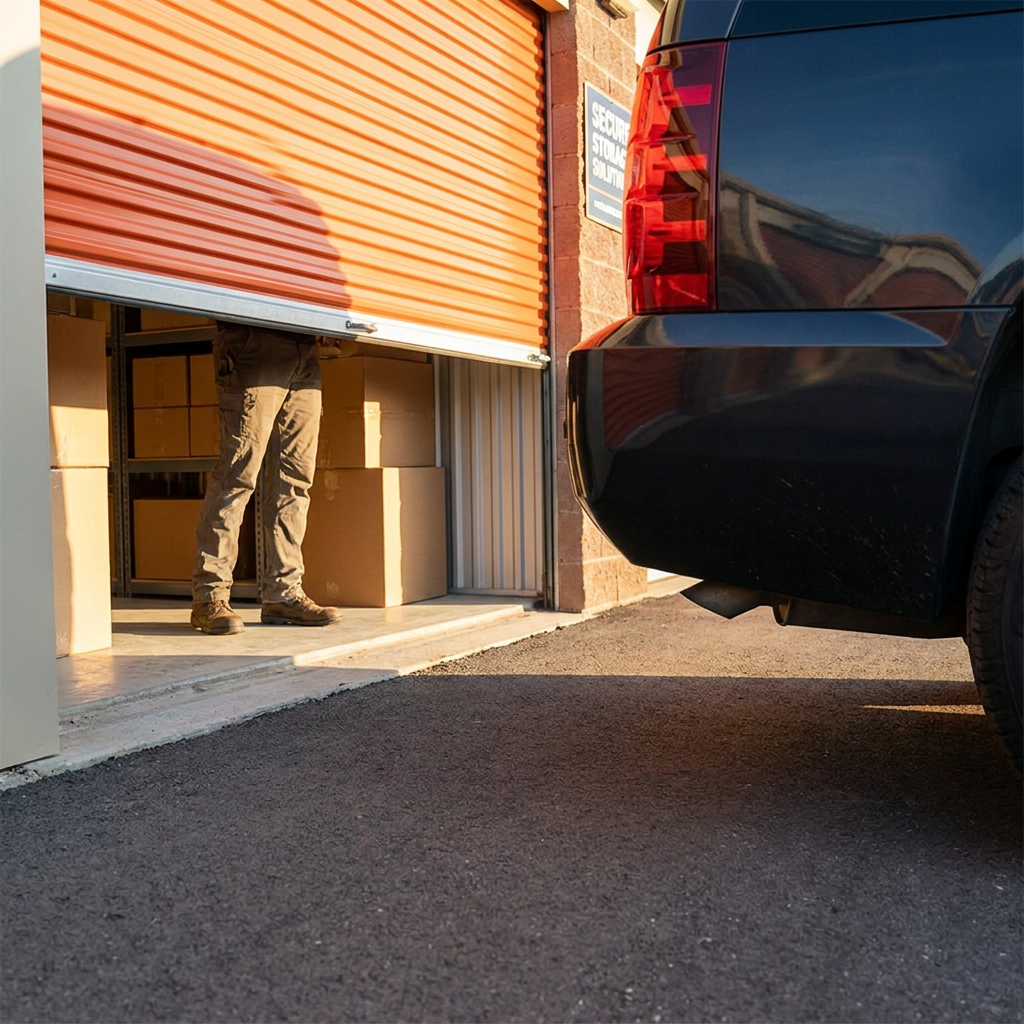
Both storage types can achieve high security levels, but they accomplish this through different mechanisms. Walk-in facilities control access at the building entrance, requiring codes or key cards before anyone reaches the unit hallways. Multiple security layers create checkpoints.
Drive-up facilities rely more heavily on perimeter security: gated entries, access codes, security cameras, and well-lit grounds. Your personal lock on the unit door serves as the primary barrier. The Insurance Information Institute notes that storage facility theft rates remain below 1 percent annually across both formats when proper security measures exist.
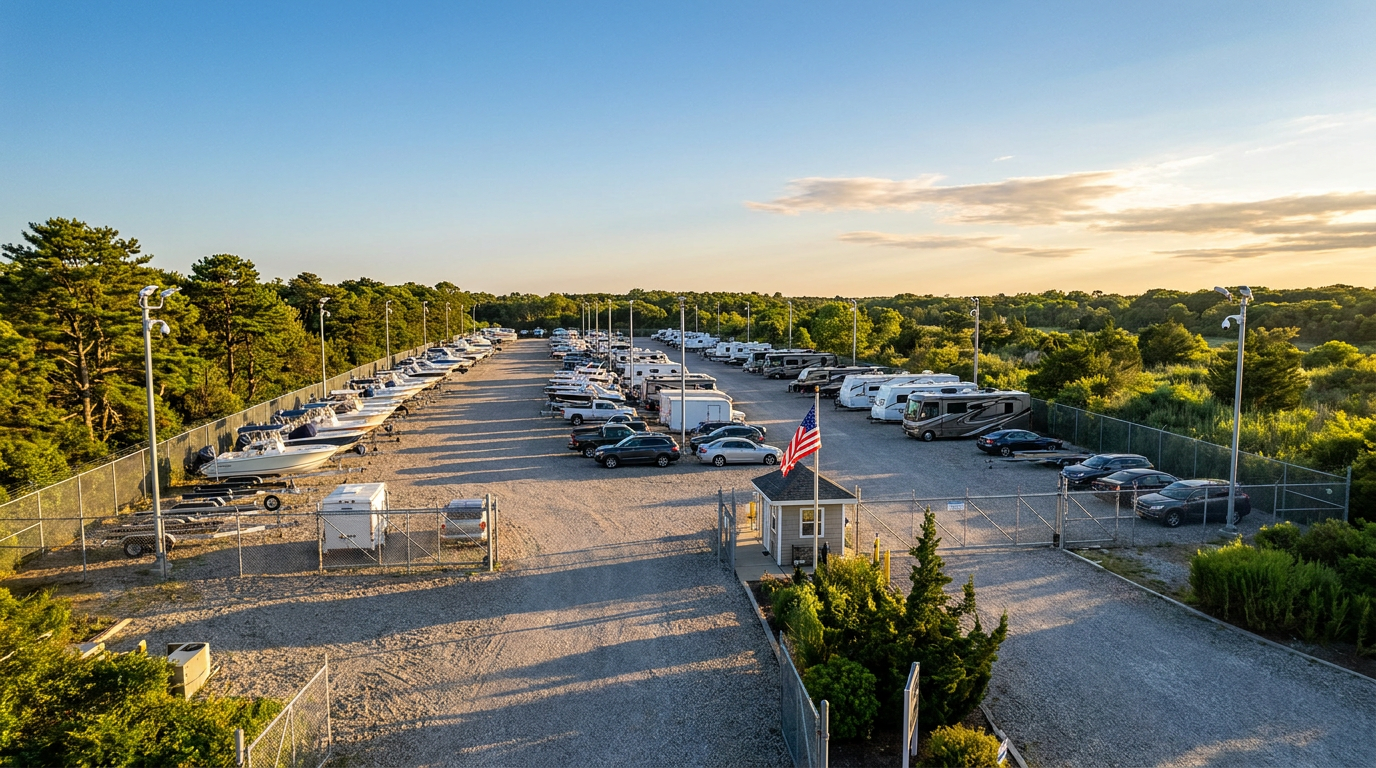
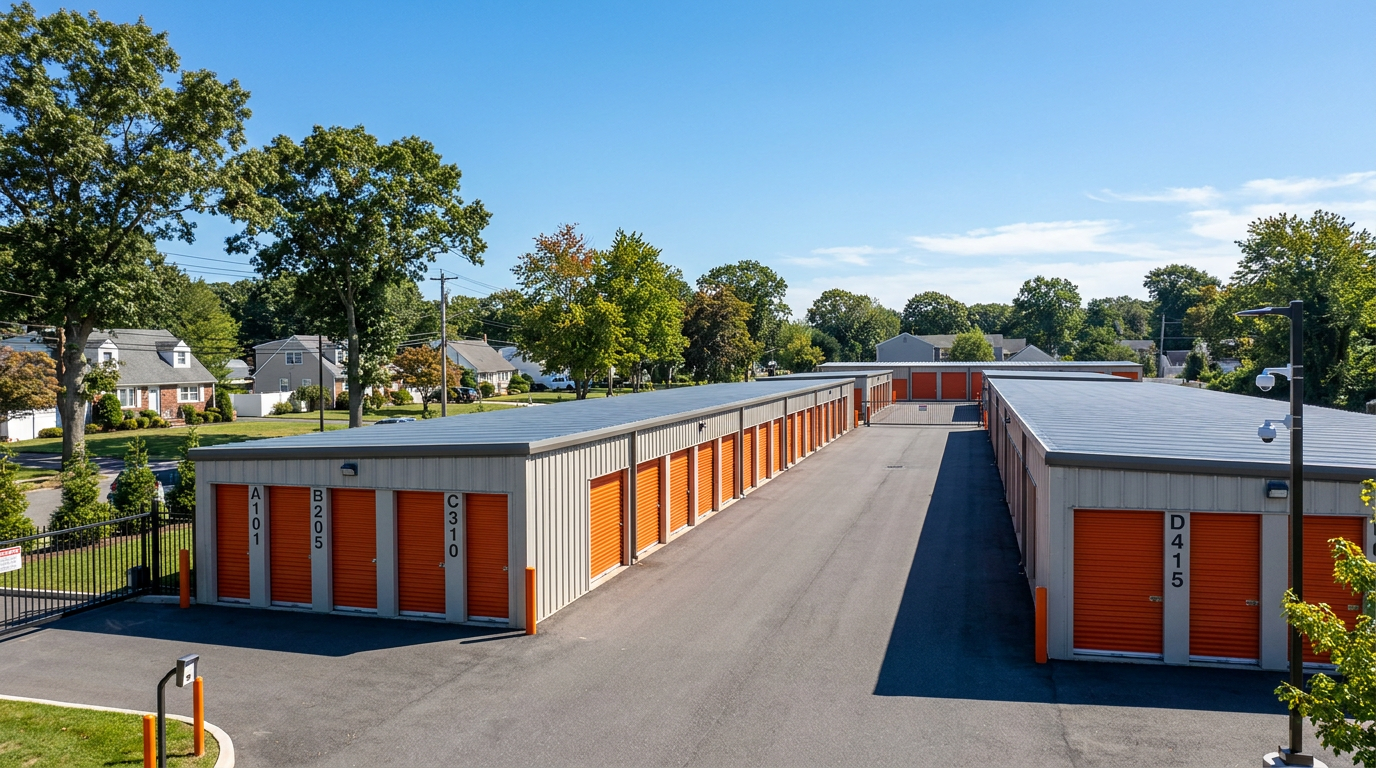
At Moriches Storage, our fully gated and paved facility features LED lighting, security cameras, and access control systems. The combination of perimeter security with individual unit locks provides protection comparable to indoor facilities while maintaining drive-up convenience.
Best Items for Drive-Up Storage Units
Drive-up storage excels for items where access speed matters more than climate control. Furniture represents the most common use case: couches, mattresses, dining tables, and bedroom sets all move easily through wide roll-up doors. The National Moving and Storage Association reports that 45 percent of drive-up renters store furniture during moves or renovations.
Business inventory benefits significantly from drive-up access. Contractors store tools, building materials, and equipment they need to retrieve quickly between job sites. Retail businesses use drive-up units for overflow stock, seasonal merchandise, and supplies requiring frequent restocking.
Seasonal items fit drive-up storage perfectly. Holiday decorations, lawn equipment, patio furniture, and sports gear all tolerate temperature variation and benefit from easy loading. Our storage unit size guide helps match seasonal storage needs to appropriate unit dimensions.
Ideal drive-up storage items include:
- Furniture (sofas, tables, bed frames, dressers)
- Appliances (washers, dryers, refrigerators)
- Boxes and bins of household goods
- Lawn and garden equipment
- Sporting goods and recreational gear
- Construction tools and materials
- Business inventory and supplies
- Seasonal decorations and outdoor furniture
Best Items for Walk-In Storage Units
Walk-in storage protects items vulnerable to temperature extremes and humidity. Electronics rank highest on this list: computers, televisions, audio equipment, and gaming systems contain components that degrade in heat or cold. The Consumer Electronics Association recommends storage temperatures between 50 and 80 degrees for electronics longevity.
Documents, photographs, and artwork require stable humidity levels. Paper absorbs moisture, causing warping, yellowing, and mold growth. The American Institute for Conservation recommends relative humidity between 30 and 50 percent for paper-based materials, conditions walk-in climate-controlled units maintain consistently.
Wooden furniture with veneer finishes, antiques, and musical instruments also benefit from walk-in storage. Temperature swings cause wood to expand and contract, potentially cracking finishes or loosening joints over time.
Ideal walk-in storage items include:
- Electronics and computers
- Important documents and business records
- Photographs and film
- Artwork and collectibles
- Antique furniture
- Musical instruments
- Wine collections
- Leather goods and fine fabrics
Cost Comparison: Drive-Up vs Walk-In Storage
Drive-up storage typically costs 10 to 20 percent less than comparable walk-in units. The savings stem from lower construction and operating costs: drive-up facilities require less building infrastructure, no elevator maintenance, and reduced climate control expenses.
At Moriches Storage, drive-up units with lights range from $135 per month for a 5x5 space to $595 per month for a 10x30 unit. These prices reflect the Long Island market, where Suffolk County storage rates average 15 percent higher than national averages according to SpareFoot market data.
| Unit Size | Drive-Up Price (Moriches Storage) | Typical Use Case |
|---|---|---|
| 5x5 | $135/month | Boxes, small furniture, seasonal items |
| 5x10 | $185/month | One-bedroom apartment contents |
| 10x10 | $275/month | Two-bedroom apartment contents |
| 10x20 | $425/month | Three-bedroom house contents |
| 10x30 | $595/month | Large home or business inventory |
Month-to-month leases provide flexibility regardless of storage type. Our frequently asked questions page explains rental terms, payment options, and the online rental process that takes approximately 60 seconds.
Who Should Choose Drive-Up Storage
Homeowners during renovations benefit most from drive-up access. Kitchen remodels, bathroom updates, and flooring projects require moving furniture and appliances repeatedly. Drive-up units allow quick drop-offs and pickups without scheduling around facility hours or navigating building hallways.
Small business owners storing inventory need efficient access. Landscapers, contractors, event planners, and retail businesses often visit storage units multiple times weekly. The time savings compound significantly: 30 minutes saved per visit equals 26 hours annually for weekly visitors.
Families managing transitions, whether moving between homes, downsizing, or storing inherited belongings, appreciate the simplicity of drive-up loading. No coordination with building staff, no elevator wait times, no hallway navigation with unwieldy items.
Vehicle owners storing boats, RVs, motorcycles, or extra cars require outdoor access by definition. Moriches Storage offers 12x20 and 12x30 open parking spaces starting at $155 per month for vehicle storage needs.
Who Should Choose Walk-In Storage
Collectors storing valuable items prioritize environmental stability over access speed. Wine collectors, art collectors, and antique dealers need consistent temperature and humidity to protect their investments. Walk-in climate-controlled units provide this protection.
Businesses archiving documents face legal requirements for record preservation. Healthcare providers, law firms, and financial services companies must maintain documents for 7 to 10 years or longer. Climate-controlled walk-in storage prevents paper degradation that could compromise record integrity.
Renters in urban areas without vehicle access may find walk-in storage more practical. Building locations often provide better public transit access, and the lack of vehicle-to-unit loading matters less when using taxis, rideshares, or hand-carried items.
Common Questions About Drive-Up vs Walk-In Storage
What Are the Cons of Drive-Up Storage Units?
Drive-up units expose contents to greater temperature variation, typically ranging from 20 to 110 degrees Fahrenheit depending on season and location. Dust and debris may enter more easily than in sealed indoor buildings. Security relies more heavily on perimeter measures and your personal lock rather than multiple building access points.
Weather affects access convenience: rain, snow, and extreme heat impact the loading experience at drive-up units. However, the actual exposure time remains brief, typically under 5 minutes for most visits.
What Is the Cheapest Way to Get Storage?
Drive-up storage without climate control offers the lowest monthly rates. Choosing the smallest unit that fits your needs reduces costs further. At Moriches Storage, a 5x5 drive-up unit costs $135 monthly, suitable for approximately 20 to 25 boxes plus small furniture items.
Avoiding premium features like climate control, 24-hour access (when not needed), and insurance add-ons reduces total costs. However, our tenant protection plans provide valuable coverage at reasonable rates for those wanting peace of mind.
Can a Storage Unit Be a Tax Write-Off?
Business use of storage units qualifies for tax deductions. Contractors storing tools, retailers storing inventory, and professionals storing business records can deduct storage costs as ordinary business expenses. The IRS requires documentation showing business purpose and separating any personal use.
Personal storage for residential purposes does not qualify for tax deductions. Moving-related storage may be deductible for military personnel under specific circumstances. Consult a tax professional for guidance on your specific situation.
How Likely Is It to Get Bed Bugs from a Storage Unit?
Bed bug transmission from storage units remains extremely rare. The National Pest Management Association reports that bed bugs require human hosts and cannot survive more than 2 to 3 months without feeding. Empty storage units lack the conditions bed bugs need to establish populations.
Risk increases only when storing upholstered furniture or mattresses previously exposed to infestations. Inspecting items before storage and using sealed plastic covers on mattresses virtually eliminates transmission risk. Storage facilities do not provide the warm, host-adjacent environment bed bugs require.
Making Your Storage Decision on Long Island
For most Long Island residents, drive-up storage provides the best combination of convenience, cost, and practicality. The region's moderate climate means temperature extremes remain manageable for most stored items. The suburban layout makes vehicle access standard rather than exceptional.
Moriches Storage serves East Moriches, Center Moriches, Eastport, Speonk, Remsenburg, Manorville, Mastic, Shirley, Brookhaven, Westhampton, and surrounding Suffolk County communities. Our location just off Sunrise Highway (NY-27) and Montauk Highway (NY-27A) provides easy South Shore access.
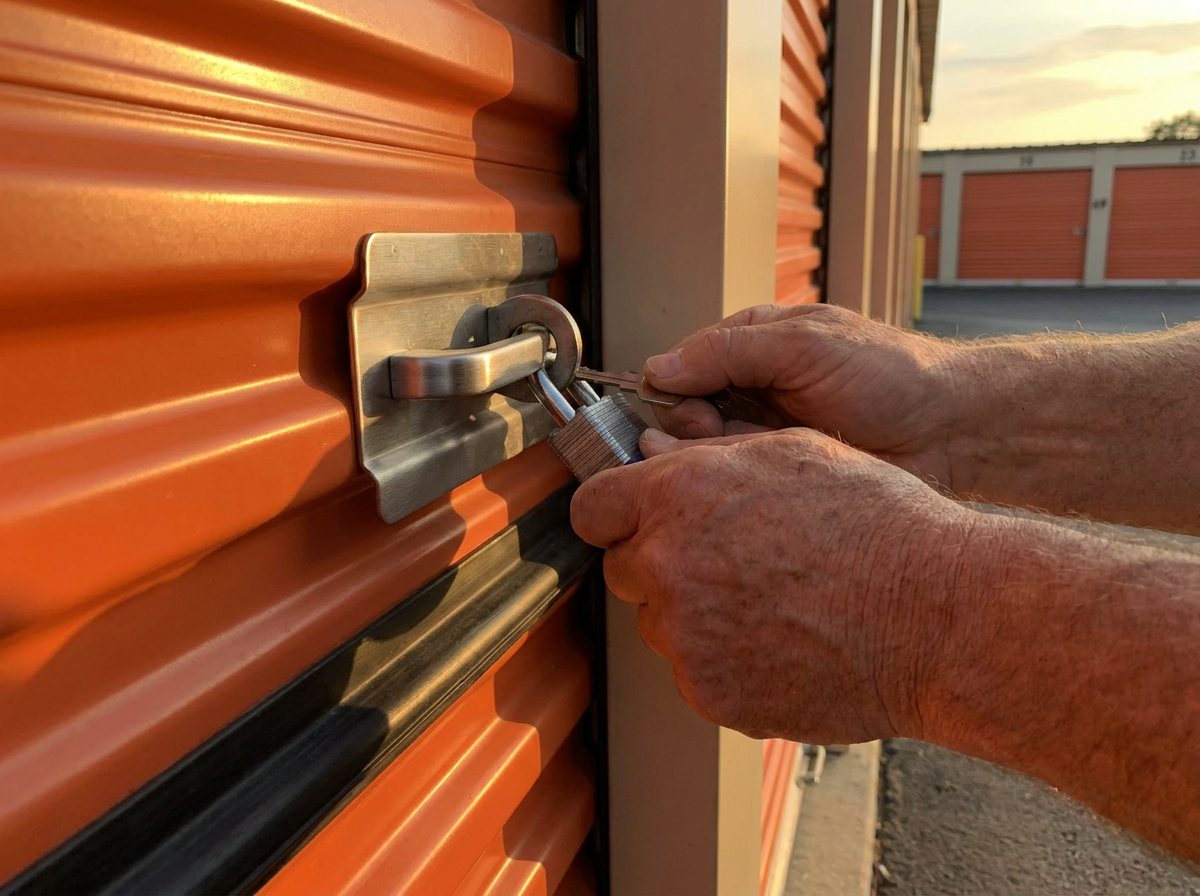
All units include lights for visibility during evening visits. The fully gated, paved facility operates with 24/7 access, meaning you control when you visit your belongings. No appointments, no staff coordination, no waiting.
The online rental process takes approximately 60 seconds with no deposit required. Month-to-month leases mean no long-term commitment. Our team remains available 7 days a week by phone at (631) 874-5306, text, or email at Help@LookingForStorage.com for questions.
Whether you need a 5x5 unit for seasonal items or a 10x30 space for business inventory, drive-up access transforms storage from a chore into a quick errand. Contact Moriches Storage to discuss your specific needs or browse available units online.
|