What Not to Store in a Storage Unit: 15 Prohibited Items |
| WHAT NOT TO STORE IN A STORAGE UNIT: 15 PROHIBITED AND RISKY ITEMS
⏱ 13 min read ·
📄 #2,563 words
Learn which 15 items are prohibited or risky to store in self storage units. Avoid fines, lease termination, and safety hazards with this complete guide.
|
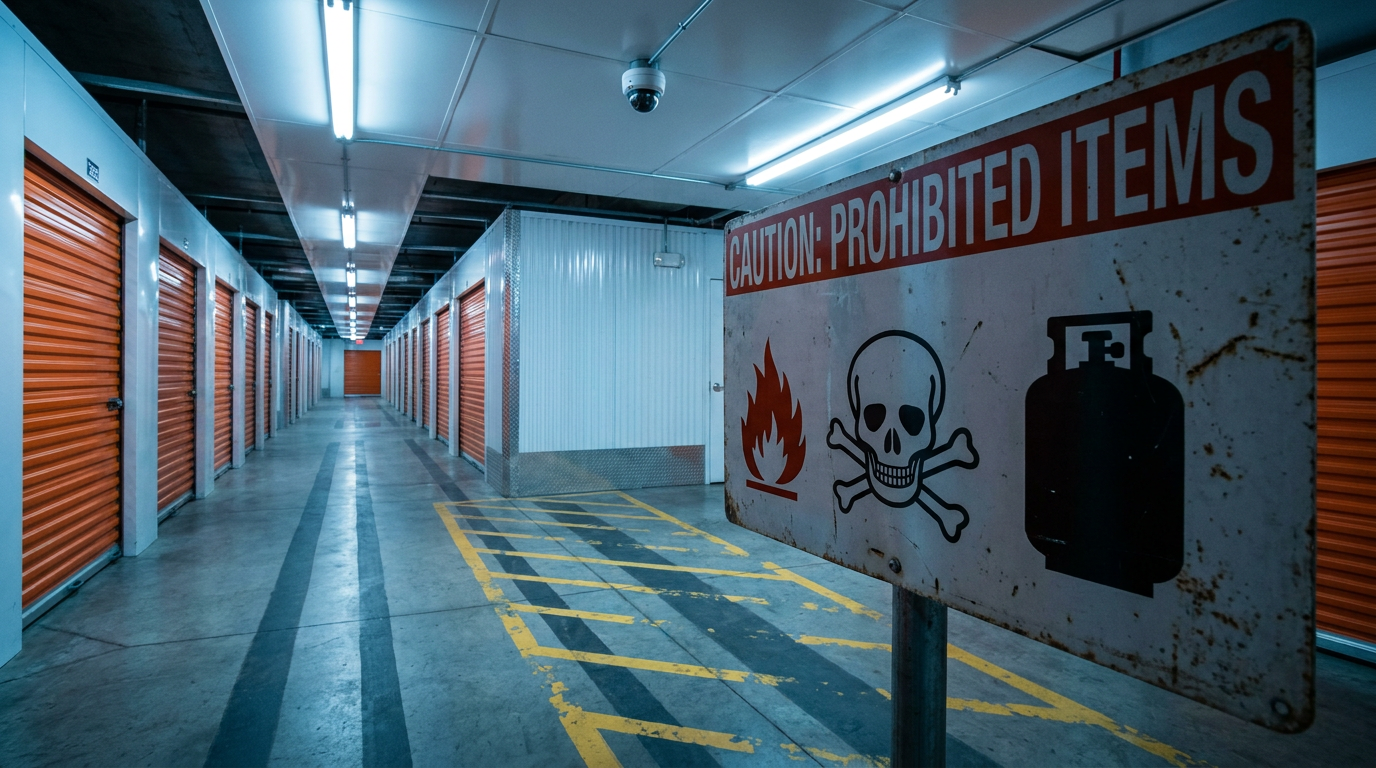
S torage facilities universally prohibit hazardous materials, living things, perishable food, firearms (in most cases), and illegal items. Storing prohibited items can result in immediate lease termination, fines ranging from $500 to $5,000, and potential criminal charges depending on the violation.
| Key Points: | |
|---|---|
| • | Hazardous materials (gasoline, propane, chemicals) are banned at all storage facilities per OSHA and EPA regulations |
| • | Living things, including pets and plants, violate every facility lease agreement without exception |
| • | Perishable food attracts pests within 48 to 72 hours and can contaminate neighboring units |
| • | Unregistered firearms and ammunition face strict state laws; New York requires secure storage compliance |
| • | Violations can void your tenant protection coverage and leave you liable for damages exceeding $10,000 |
Why Storage Facilities Have Prohibited Item Lists
Storage facility restrictions exist to protect tenants, employees, and property from fire hazards, health risks, and legal liability. The Self Storage Association reports that improper storage causes approximately 3,500 facility fires annually in the United States, with hazardous materials involved in 23% of cases.
Insurance companies require facilities to enforce these rules. If prohibited items cause damage, your tenant protection plan will not cover losses. According to the National Fire Protection Association, storage facility fires cause an average of $149 million in property damage each year.
New York State imposes additional regulations through the Department of Environmental Conservation and local fire codes. Suffolk County facilities must comply with Article 315 of the New York Fire Code, which specifically addresses self storage unit contents and inspection requirements.
Category 1: Hazardous and Flammable Materials
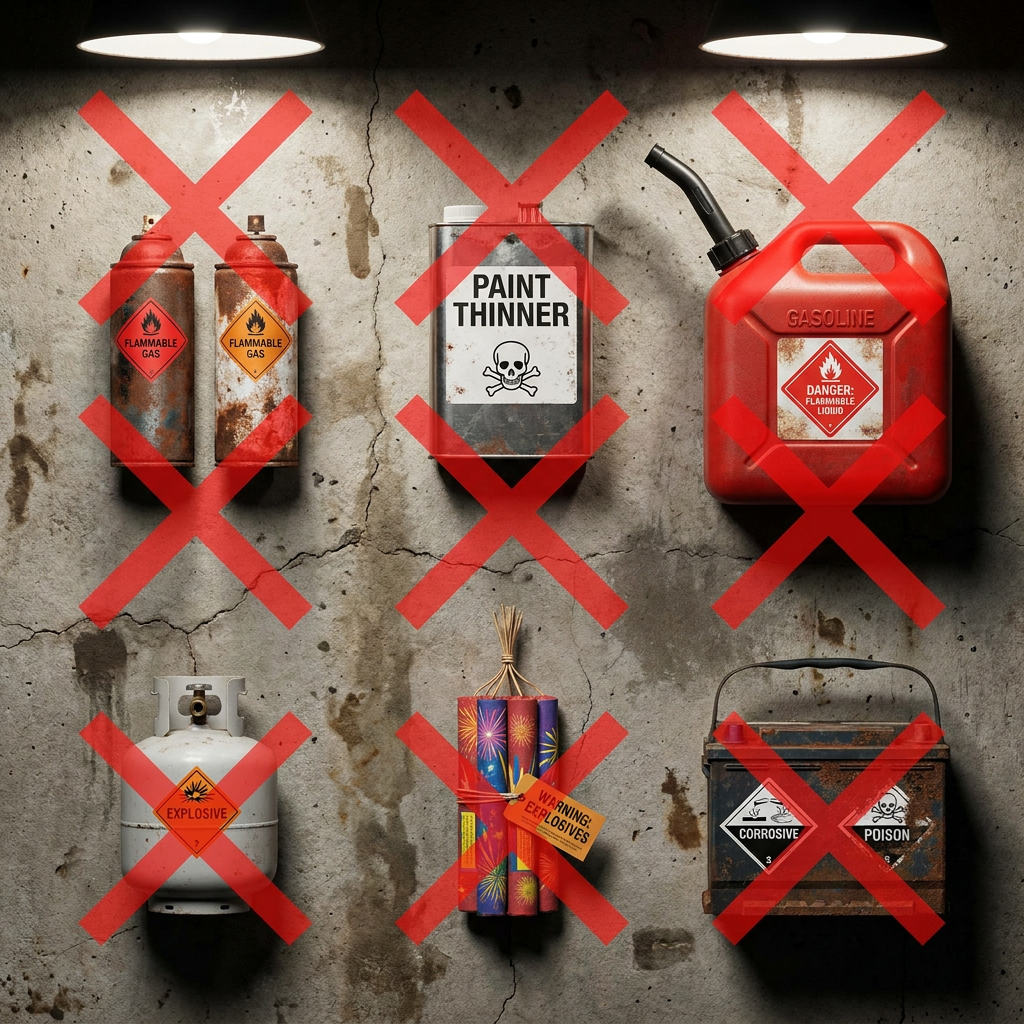
Flammable and hazardous materials represent the most serious prohibited category. These items can cause explosions, toxic exposure, and environmental contamination that affects entire facilities and surrounding communities.
1. Gasoline and Fuel
Gasoline vapors ignite at temperatures as low as minus 45 degrees Fahrenheit. A single gallon of gasoline has the explosive potential of 83 sticks of dynamite when vaporized. Storage units without ventilation allow vapors to accumulate to dangerous concentrations within hours.
This prohibition includes gasoline, diesel, kerosene, heating oil, and marine fuel. Even empty containers that previously held fuel retain enough residue to create fire hazards. The EPA classifies these as Class I flammable liquids requiring specialized storage facilities.
2. Propane Tanks and Compressed Gas
Propane tanks, regardless of size, are banned from storage units. A standard 20 pound BBQ propane tank contains enough fuel to create a fireball with a 40 foot radius. Temperature fluctuations in non-climate-controlled units can cause pressure relief valves to release gas.
Other prohibited compressed gases include acetylene, oxygen tanks, helium, and nitrogen. Medical oxygen concentrators with attached tanks also fall under this restriction. The Compressed Gas Association standards require these items to be stored in ventilated, fire-rated enclosures.
3. Paints, Solvents, and Chemicals
Oil-based paints, paint thinners, turpentine, and lacquers emit volatile organic compounds that pose both fire and health risks. According to OSHA regulations, these materials require storage in flammable liquid cabinets with specific ventilation requirements.
Cleaning chemicals, pesticides, herbicides, and pool chemicals also fall under this prohibition. Mixing incompatible chemicals, even accidentally through container leaks, can produce toxic gases or spontaneous combustion. Chlorine-based pool chemicals react violently with ammonia-based cleaners.
4. Fertilizers and Lawn Care Products
Ammonium nitrate fertilizers are classified as oxidizers that can intensify fires and, under certain conditions, detonate. The 2020 Beirut explosion demonstrated the catastrophic potential of improperly stored ammonium nitrate, killing over 200 people.
Even organic fertilizers create problems in storage units. They emit ammonia gases, attract pests, and can spontaneously combust if moisture levels rise. Store these products in ventilated garden sheds or garages instead.
| Hazardous Item | Primary Risk | Potential Penalty |
|---|---|---|
| Gasoline (any amount) | Explosion, fire | Immediate eviction, criminal charges |
| Propane tanks | Explosion, fire | Lease termination, $1,000+ fines |
| Oil-based paint | Fire, toxic fumes | Cleanup fees, lease violation |
| Ammonium nitrate fertilizer | Explosion, oxidizer | Federal investigation, criminal liability |
Category 2: Living Things and Perishables
Storage units are designed for inanimate objects only. Living organisms, whether human, animal, or plant, create health hazards, legal violations, and facility damage that extends far beyond individual units.
5. People (Including Temporary Occupancy)
Using a storage unit as living space violates local housing codes, fire safety regulations, and facility lease agreements. New York State classifies this as illegal occupancy, punishable by fines up to $5,000 and potential criminal charges for both the tenant and facility if discovered.
Storage units lack required safety features for human occupancy: emergency exits, smoke detectors, ventilation systems, and sanitary facilities. The National Fire Protection Association reports that storage unit occupancy incidents have a fatality rate 340% higher than residential fires due to these missing safety features.
6. Animals and Pets
Storing animals in a storage unit constitutes animal cruelty under New York Agriculture and Markets Law Section 353. Violations carry penalties including fines up to $1,000 and imprisonment for up to one year. Temperature extremes in non-climate-controlled units can kill animals within hours.
This prohibition extends to all animals: dogs, cats, birds, reptiles, fish, and livestock. Even temporary storage during moves or travel is prohibited. Animal waste creates biohazard conditions requiring professional remediation costing $2,000 to $8,000 per unit.
7. Plants
Living plants cannot survive in storage units due to lack of sunlight, ventilation, and consistent watering. Beyond survival issues, plants introduce moisture, mold spores, and insects into the storage environment.
Decomposing plant matter attracts pests and creates conditions for mold growth that can spread to neighboring units. Professional mold remediation in storage facilities averages $3,500 per affected unit according to HomeAdvisor data.
8. Perishable Food
Food items with expiration dates attract rodents, insects, and bacteria regardless of packaging. According to the CDC, rodent infestations can establish within 48 to 72 hours when food sources are present. A single mouse can produce 50 to 75 droppings per day, contaminating stored items.
Canned goods present a different risk: temperature fluctuations cause seal failures and botulism growth. The USDA recommends storing canned goods between 50 and 70 degrees Fahrenheit, conditions most non-climate-controlled units cannot maintain year-round on Long Island.
Category 3: Weapons and Ammunition
Firearm storage regulations vary significantly by state and facility policy. New York has among the strictest firearm laws in the nation, directly affecting what Long Island residents can legally store.
9. Firearms (Facility-Dependent)
New York Penal Law Section 265.45 requires firearms to be stored securely to prevent access by prohibited persons. Many storage facilities, including most in Suffolk County, prohibit firearm storage entirely due to insurance requirements and liability concerns.
Facilities that permit firearm storage typically require proof of registration, trigger locks or gun safes, and advance written notification. Unregistered firearms, assault weapons as defined by New York SAFE Act, and high-capacity magazines are prohibited at all facilities regardless of policy.
10. Ammunition and Explosives
Ammunition storage in self storage units is universally prohibited across the industry. Ammunition can discharge when exposed to temperatures exceeding 400 degrees Fahrenheit, a threshold easily reached during storage facility fires.
Explosives, including fireworks, blasting caps, and black powder, fall under federal ATF regulations requiring licensed storage facilities. Possession of explosives in unauthorized locations carries federal penalties including fines up to $250,000 and imprisonment up to 10 years.
Category 4: Valuable and Irreplaceable Items
While not technically prohibited, certain high-value items present such significant risk that responsible facilities discourage their storage. Understanding these risks helps you make informed decisions about what to store.
11. Cash and Currency
Storing cash in a storage unit eliminates all legal protections. FDIC insurance covers bank deposits up to $250,000; storage unit contents have zero federal protection. Tenant protection plans specifically exclude cash, currency, and negotiable instruments from coverage.
Cash stored in units is also untraceable if stolen. Without serial number records or deposit receipts, proving loss becomes impossible. Law enforcement reports that cash theft from storage units has a recovery rate below 3%.
12. Irreplaceable Documents and Heirlooms
Original birth certificates, Social Security cards, property deeds, and family photographs cannot be replaced if damaged or stolen. Humidity fluctuations in non-climate-controlled units cause paper degradation within 6 to 12 months.
Safe deposit boxes at banks cost $30 to $200 annually and provide superior protection for critical documents. Fireproof home safes rated for 1 hour at 1,700 degrees Fahrenheit cost $150 to $500 and keep documents accessible while protected.
13. High-Value Jewelry and Collectibles
Jewelry, rare coins, and valuable collectibles face both theft and damage risks in storage units. Most tenant protection plans cap coverage at $2,500 to $5,000 for valuables, far below the value of significant collections.
Temperature and humidity fluctuations damage coins, stamps, and artwork over time. Numismatic experts recommend storing valuable coins at 65 to 70 degrees Fahrenheit with 50% relative humidity, conditions requiring specialized climate control.
Category 5: Illegal Items and Stolen Property
Storage facilities cooperate fully with law enforcement investigations. Storing illegal items or stolen property creates criminal liability that extends beyond simple lease violations.
14. Controlled Substances
Storing illegal drugs in a storage unit adds federal charges to state drug offenses. Using a storage unit for drug storage or distribution triggers enhanced penalties under 21 USC Section 856, the "crack house" statute, with sentences up to 20 years.
Facilities conduct periodic inspections and report suspicious activity to law enforcement. Drug-detecting dogs are used during investigations, and units can be searched with proper warrants. Conviction results in permanent federal records affecting employment, housing, and travel.
15. Stolen Property
Receiving stolen property is a felony in New York, regardless of whether you knew items were stolen. Storage facilities maintain access logs and security camera footage that law enforcement routinely subpoenas during theft investigations.
If stolen property is discovered in your unit, you face charges even if you rented the unit legitimately. New York Penal Law Section 165.45 carries penalties up to 7 years imprisonment for criminal possession of stolen property in the third degree.
Items That Require Special Consideration
Some items fall into gray areas where storage is possible but requires specific precautions. Understanding these nuances helps you store safely and maintain compliance with facility policies.
Vehicles with Fuel
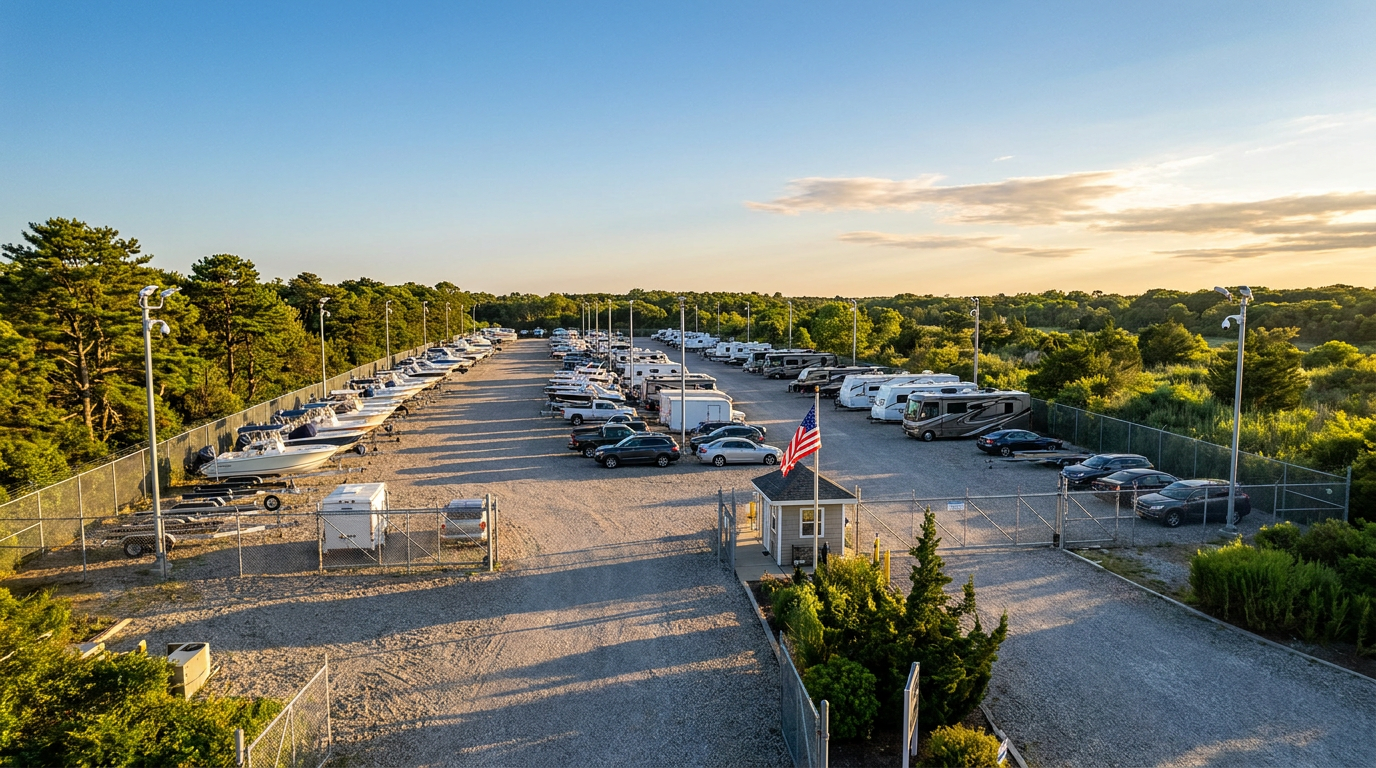
Cars, motorcycles, boats, and RVs can typically be stored at facilities offering vehicle parking options, but fuel tank levels matter. Most facilities require tanks to be no more than one-quarter full to minimize fire risk while preventing fuel system damage from completely empty tanks.
Battery disconnection is typically required for vehicles stored more than 30 days. Lead-acid batteries can leak sulfuric acid and emit hydrogen gas when overcharged or damaged. Disconnecting the negative terminal prevents both drainage and potential fire hazards.
Electronics and Temperature-Sensitive Items
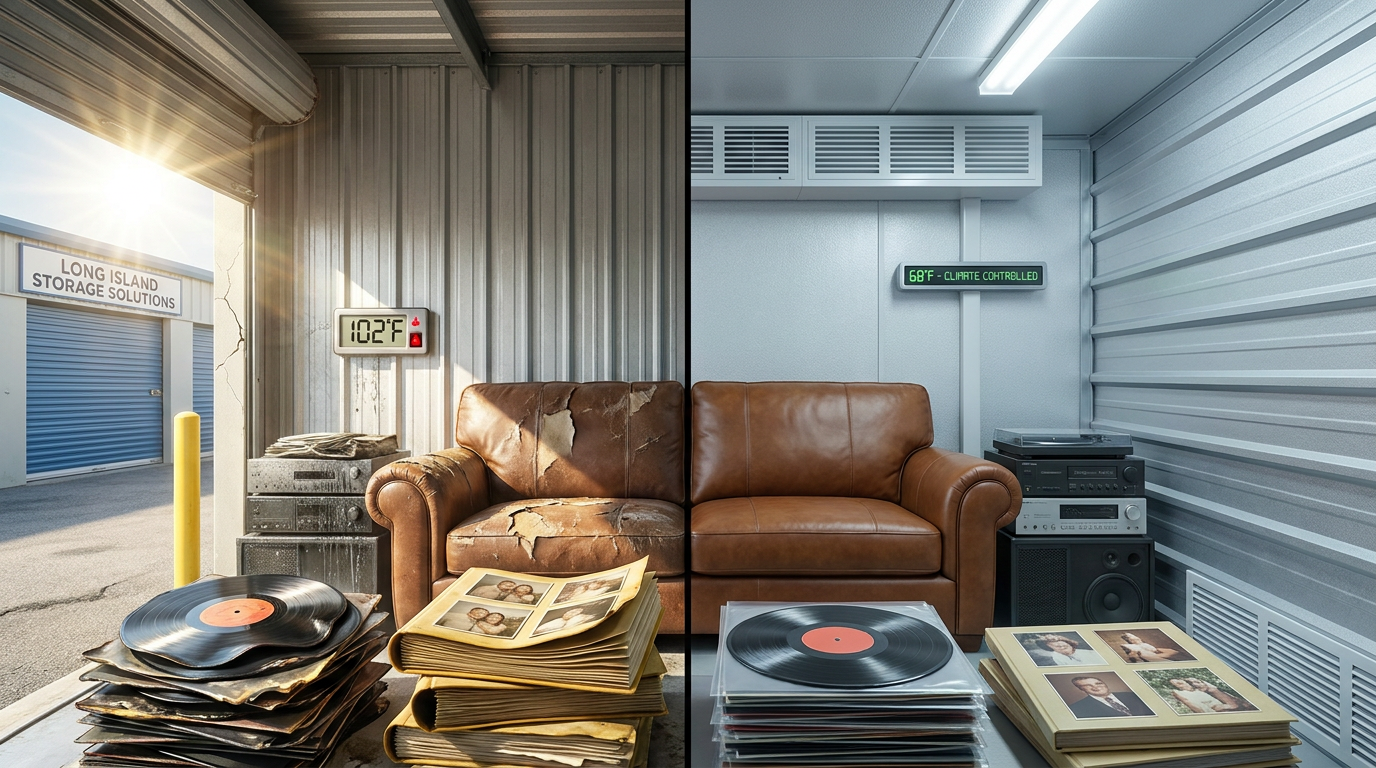
While not prohibited, electronics face significant risk in non-climate-controlled units. Hard drives fail when exposed to temperatures below 40 degrees Fahrenheit or above 95 degrees Fahrenheit. LCD screens can suffer permanent damage from temperature extremes.
Long Island experiences temperature swings from 10 degrees Fahrenheit in winter to over 90 degrees Fahrenheit in summer. Standard drive-up units can reach 120 degrees Fahrenheit during summer months, exceeding safe thresholds for most electronics.
Wine and Alcohol
Alcohol storage legality depends on quantity and purpose. Personal wine collections are generally permitted, but temperature fluctuations destroy wine quality within weeks. Wine requires consistent storage between 55 and 58 degrees Fahrenheit with 60 to 70% humidity.
Commercial alcohol storage requires appropriate licensing. Storing alcohol for resale without proper permits violates New York Alcoholic Beverage Control Law and can result in fines up to $10,000 and criminal charges.
Consequences of Storing Prohibited Items
Violating storage facility rules triggers a cascade of consequences that extend far beyond losing your unit. Understanding these outcomes reinforces why compliance matters.
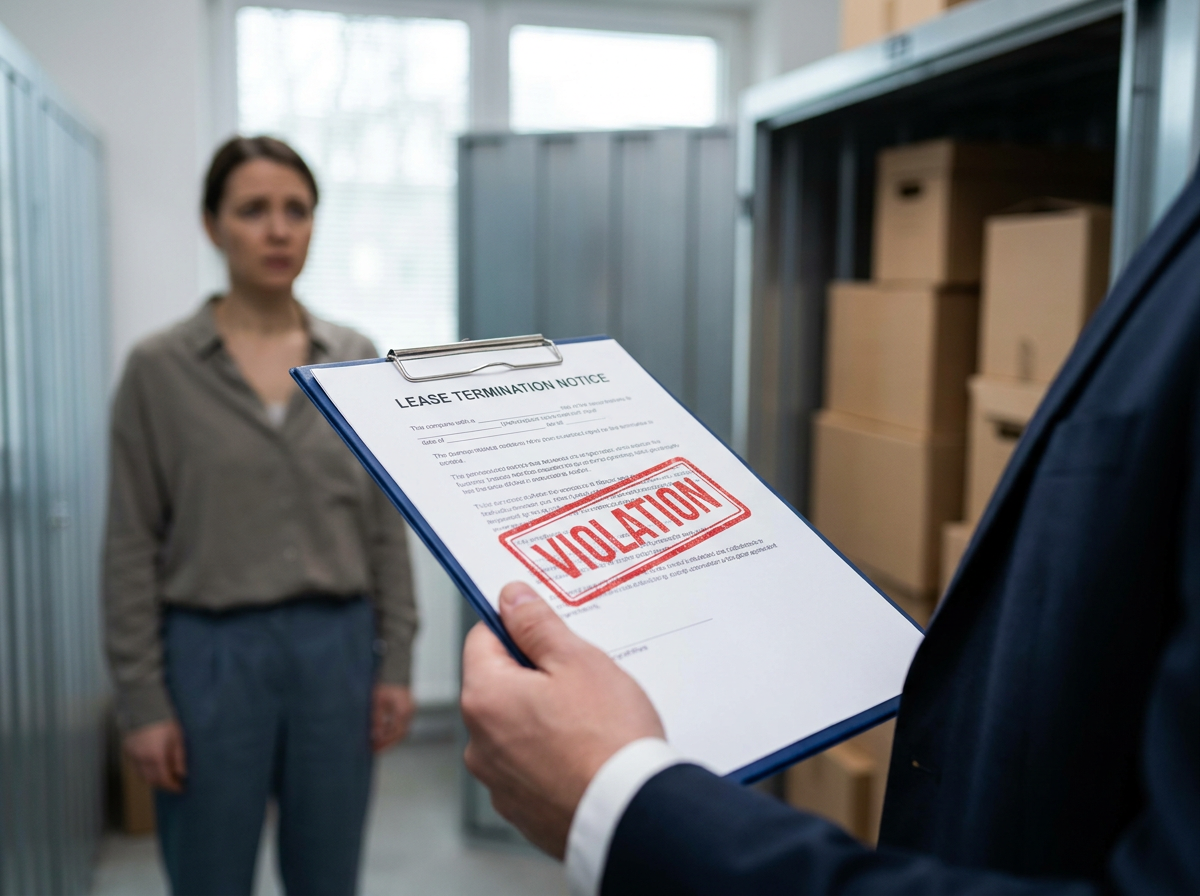
Immediate lease termination occurs when prohibited items are discovered during routine inspections or reported by neighboring tenants. Facilities typically provide 24 to 72 hours to remove all belongings, after which contents may be disposed of at your expense.
Financial liability for damages can exceed $50,000 in serious cases. If your prohibited items cause fire, water damage, or contamination affecting other units, you bear responsibility for all remediation costs. Homeowner's insurance policies typically exclude coverage for losses occurring in rented storage units.
Criminal charges apply when prohibited items violate local, state, or federal law. New York prosecutors actively pursue storage-related violations, particularly involving weapons, drugs, and environmental hazards. A criminal record affects employment, housing applications, and professional licensing for years.
Insurance claim denial results when tenant protection plans discover prohibited items contributed to losses. Review your storage protection coverage carefully to understand exclusions before storing questionable items.
How to Verify What Your Facility Allows
Prohibited item lists vary between facilities based on insurance requirements, local regulations, and management policies. Taking these steps ensures you understand specific rules before signing a lease.
Read your rental agreement completely before signing. Prohibited item clauses typically appear in sections titled "Prohibited Uses," "Restricted Items," or "Tenant Obligations." These clauses are legally binding regardless of verbal assurances from staff.
Ask specific questions about items you plan to store. If you have lawn equipment with fuel tanks, hunting gear, or other potentially restricted items, get written clarification before move-in. Check our frequently asked questions for common storage guidelines.
Document everything you store with photographs and inventory lists. If disputes arise about unit contents, documentation protects both you and the facility. Update your inventory whenever you add or remove items.
Report concerns immediately if you notice suspicious items or activities in neighboring units. Facilities rely on tenant reports to maintain safety standards. Anonymous reporting options exist at most facilities to protect tenant privacy.
Safe Alternatives for Prohibited Items
Most prohibited items have appropriate storage alternatives that maintain safety while meeting your needs. Consider these options before assuming items cannot be stored anywhere.
Hazardous materials can be stored at licensed hazardous waste facilities or properly ventilated home garages. Many municipalities offer free hazardous waste collection days; Suffolk County holds events quarterly at rotating locations.
Firearms should be stored in home gun safes meeting New York secure storage requirements or at licensed gun dealers offering storage services. Some shooting ranges provide secure storage for members at costs ranging from $20 to $50 monthly.
Valuables and documents belong in bank safe deposit boxes, home safes, or with trusted family members. Digital backup of documents provides additional protection against loss.
Perishable items can be donated, consumed, or properly disposed of before moves. Local food banks accept unexpired non-perishables, and composting programs handle organic materials safely.
Choosing a Storage Facility That Prioritizes Safety
Facility safety standards directly affect your stored belongings. When evaluating storage options, look for features that demonstrate commitment to protecting all tenants.
Security infrastructure including gated access, security cameras, and adequate lighting deters theft and enables investigation when incidents occur. Facilities with 24/7 access control and LED lighting provide superior protection compared to unmanned facilities.
Regular inspections identify prohibited items and maintenance issues before they cause widespread damage. Ask prospective facilities about their inspection schedules and policies.
Clear communication about rules and expectations indicates professional management. Facilities that provide detailed lease agreements and responsive customer service typically maintain higher safety standards.
Local ownership and management often correlates with better facility maintenance and faster response to tenant concerns. Teams available by phone, text, and email can address questions before problems escalate.
|