RV Storage Costs in 2026: What Long Island Owners Pay Monthly |
| RV STORAGE COSTS AND WHAT TO EXPECT
⏱ 11 min read ·
📄 #2,120 words
RV storage costs range from $50 to $450 per month depending on type. Learn what Long Island RV owners pay for outdoor, covered, and enclosed storage options.
|
R V storage costs range from $50 to $450 per month in 2026, with outdoor uncovered parking at the low end and fully enclosed climate-controlled units at the top. On Long Island, expect to pay $125 to $200 monthly for open-air parking due to higher real estate costs and limited availability in Suffolk County communities.
| Key Points: | |
|---|---|
| • | Outdoor uncovered RV storage costs $50 to $175 per month nationally; Long Island rates start at $125 to $175 |
| • | Covered storage adds 30 to 50 percent to base costs, ranging from $100 to $300 monthly |
| • | Enclosed indoor storage runs $200 to $450 per month depending on unit size and amenities |
| • | RV length directly impacts price; each additional 5 feet adds $25 to $50 monthly |
| • | Security features, 24/7 access, and location convenience justify premium pricing |
National RV Storage Costs by Type
The RV Industry Association (RVIA) reports that 11.2 million American households now own an RV, creating unprecedented demand for storage facilities. This demand has pushed average storage costs up 18 percent since 2022. Understanding the three main storage types helps you budget accurately.
Outdoor uncovered storage remains the most affordable option. According to Extra Space Storage's 2026 rate guide, outdoor uncovered RV storage typically costs $35 to $363 per month nationwide. The wide range reflects differences in location, facility security, and surface type (gravel versus paved).
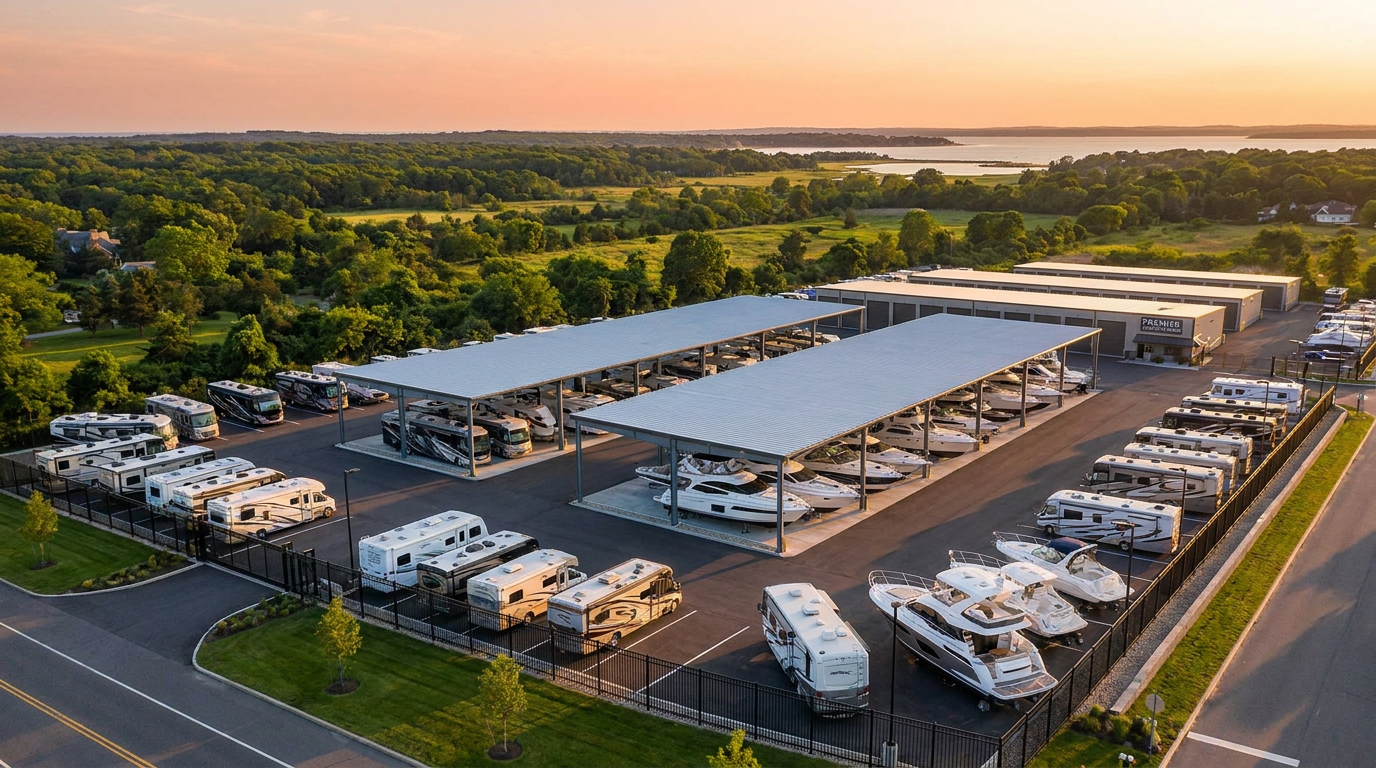
Covered storage protects your RV from sun damage, bird droppings, and tree sap. This option costs $100 to $350 monthly. The roof structure prevents UV degradation of rubber seals, decals, and exterior finishes that can cost $2,000 to $5,000 to repair.
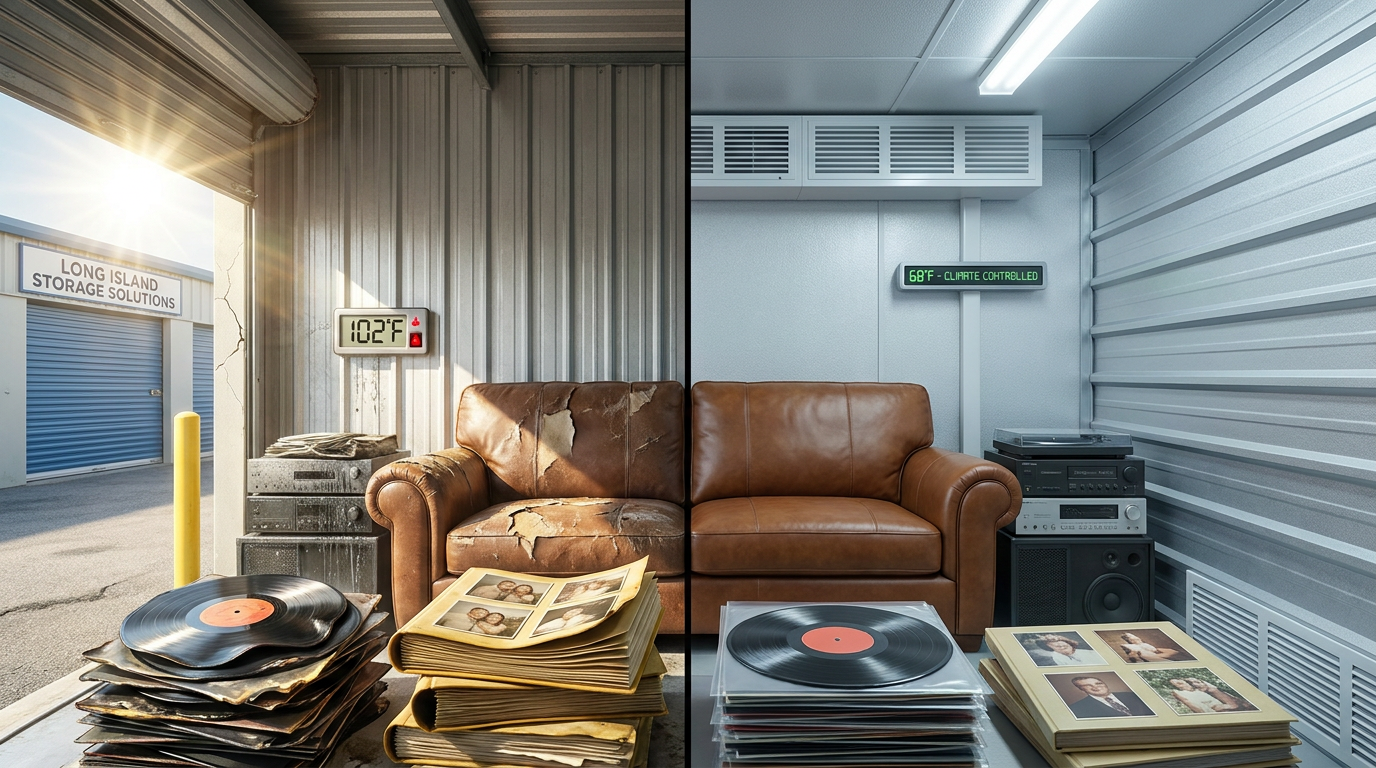
Enclosed indoor storage provides maximum protection. These units range from $200 to $450 per month for standard sizes. Climate-controlled enclosed storage, which maintains temperatures between 55 and 80 degrees Fahrenheit, commands premium rates of $300 to $600 monthly.
| Storage Type | National Average | Long Island Range | Best For |
|---|---|---|---|
| Outdoor Uncovered | $50 to $175/mo | $125 to $175/mo | Budget-conscious, newer RVs |
| Covered Parking | $100 to $350/mo | $175 to $300/mo | UV protection, moderate budgets |
| Enclosed Indoor | $200 to $450/mo | $350 to $500/mo | Classic RVs, maximum protection |
| Climate-Controlled | $300 to $600/mo | $450 to $650/mo | Luxury coaches, sensitive electronics |
How RV Size Affects Storage Pricing
Your RV's dimensions determine your storage costs more than any other factor. Storage facilities price by square footage or linear feet, with most using a per-foot pricing model. A 20-foot travel trailer costs significantly less to store than a 40-foot Class A motorhome.
According to Neighbor's storage cost analysis, storing a small RV (under 20 feet) costs $50 to $150 monthly for outdoor parking. Mid-size RVs between 20 and 30 feet typically run $100 to $200 monthly. Large Class A motorhomes exceeding 35 feet cost $175 to $350 for basic outdoor storage.
Width matters too. Standard RV widths of 8 feet fit most parking spaces. Extended-width models at 8.5 feet may require oversized spots at 10 to 20 percent higher rates. Slideouts in the retracted position do not affect storage pricing at most facilities.
Storage Space Requirements by RV Class
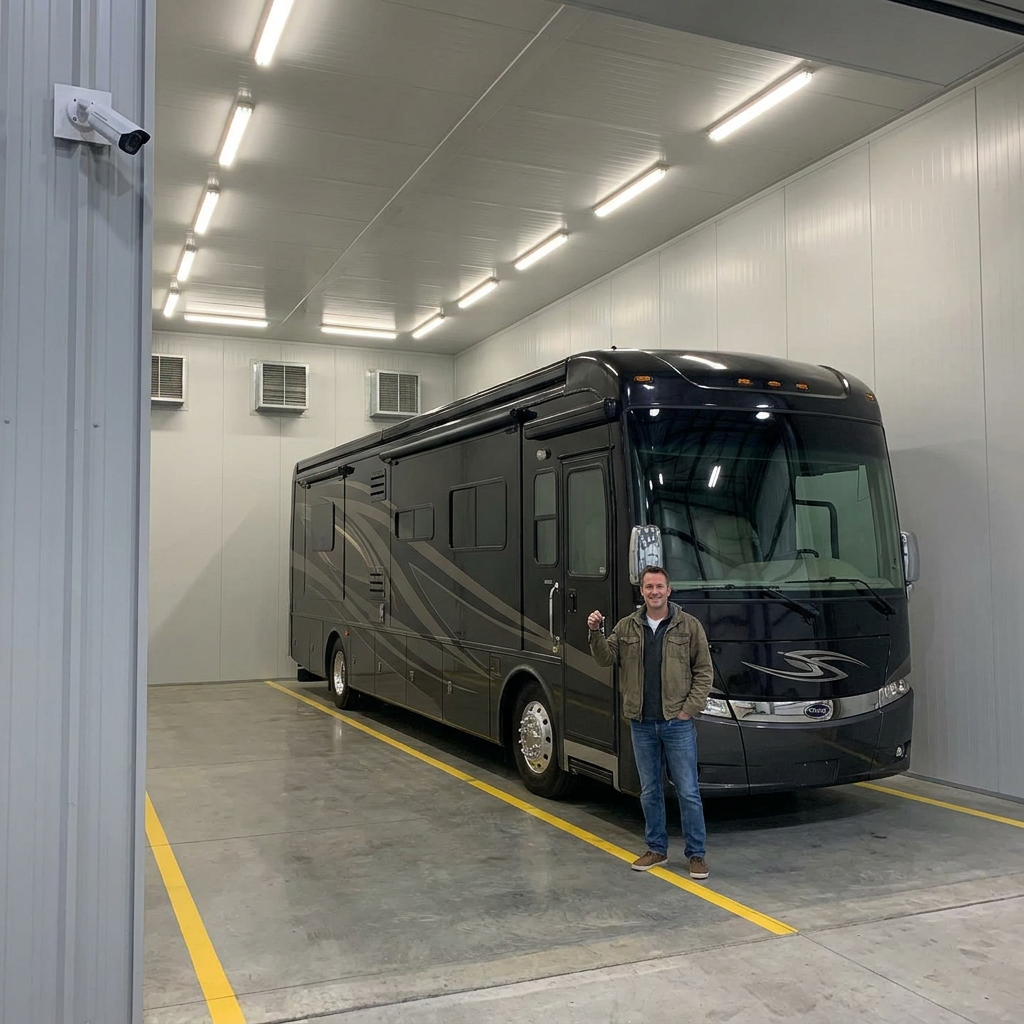
Class A motorhomes measure 26 to 45 feet long and require parking spots of at least 12 by 40 feet. These luxury coaches need the largest storage spaces, typically costing $200 to $400 monthly for outdoor parking on Long Island.
Class B campervans range from 17 to 23 feet, fitting into standard 12 by 25 parking spaces. Their compact size makes them the most affordable to store at $75 to $150 monthly. Many owners store Class B vans in standard garage spaces or large drive-up storage units.
Class C motorhomes fall between 20 and 33 feet. Storage costs average $125 to $250 monthly depending on exact length. Travel trailers and fifth wheels vary widely from 12 to 40 feet, with pricing scaled accordingly.
What Drives RV Storage Prices on Long Island
Long Island's real estate costs directly impact storage pricing. Suffolk County land values average $150,000 per acre for commercial property, pushing storage operators to charge premium rates. Limited available land in communities like East Moriches, Westhampton, and Manorville creates additional pricing pressure.
Seasonal demand spikes storage costs 15 to 25 percent during winter months. From October through April, RV owners who travel to Florida or Arizona need secure storage. Facilities near Sunrise Highway and Montauk Highway command higher rates due to convenient access for South Shore residents.
Security features justify price differences between facilities. A fully gated facility with security cameras and access control costs more than an unmanned gravel lot. However, the protection reduces theft risk and may lower your RV insurance premiums by 5 to 15 percent.
Location Factors That Affect Your Monthly Rate
Proximity to major roads increases convenience but raises costs. Facilities within one mile of highway exits charge 10 to 20 percent more than locations requiring 15-minute drives on local roads. For frequent travelers, the time savings often justify the premium.
Urban versus rural positioning creates significant price gaps. Storage facilities in Riverhead or Patchogue cost 25 to 40 percent more than those in Manorville or Eastport. The trade-off involves drive time versus monthly savings.
Facility age and amenities influence pricing. Newer facilities with paved surfaces, LED lighting, and online payment systems charge more than older properties with gravel lots and manual gate access. Modern facilities serving the South Shore Long Island market typically offer month-to-month flexibility without requiring deposits.
Security Features Worth Paying Extra For
Not all RV storage facilities offer equal protection. The National Insurance Crime Bureau reports RV thefts increased 12 percent in 2025, with the average stolen RV valued at $47,000. Investing in secure storage protects a significant asset.
Perimeter fencing with controlled access gates prevents unauthorized entry. Facilities using individual access codes track who enters and when. This accountability deters theft and provides evidence if incidents occur. Look for facilities with 24/7 access that still maintain security through coded entry systems.
Video surveillance coverage varies dramatically between facilities. Premium storage locations use cameras covering every parking space with 30-day recording retention. Budget facilities may have cameras only at entry points. Ask specifically about camera coverage and recording duration before signing a lease.
Essential Security Checklist
- Perimeter fencing: Minimum 6-foot height with no gaps or damage
- Access control: Individual codes or key fobs, not shared combinations
- Lighting: LED illumination throughout, especially in parking areas
- Cameras: Coverage of all spaces with minimum 14-day retention
- Surface: Paved lots prevent tire damage and mud issues
- Manager presence: On-site or responsive remote management
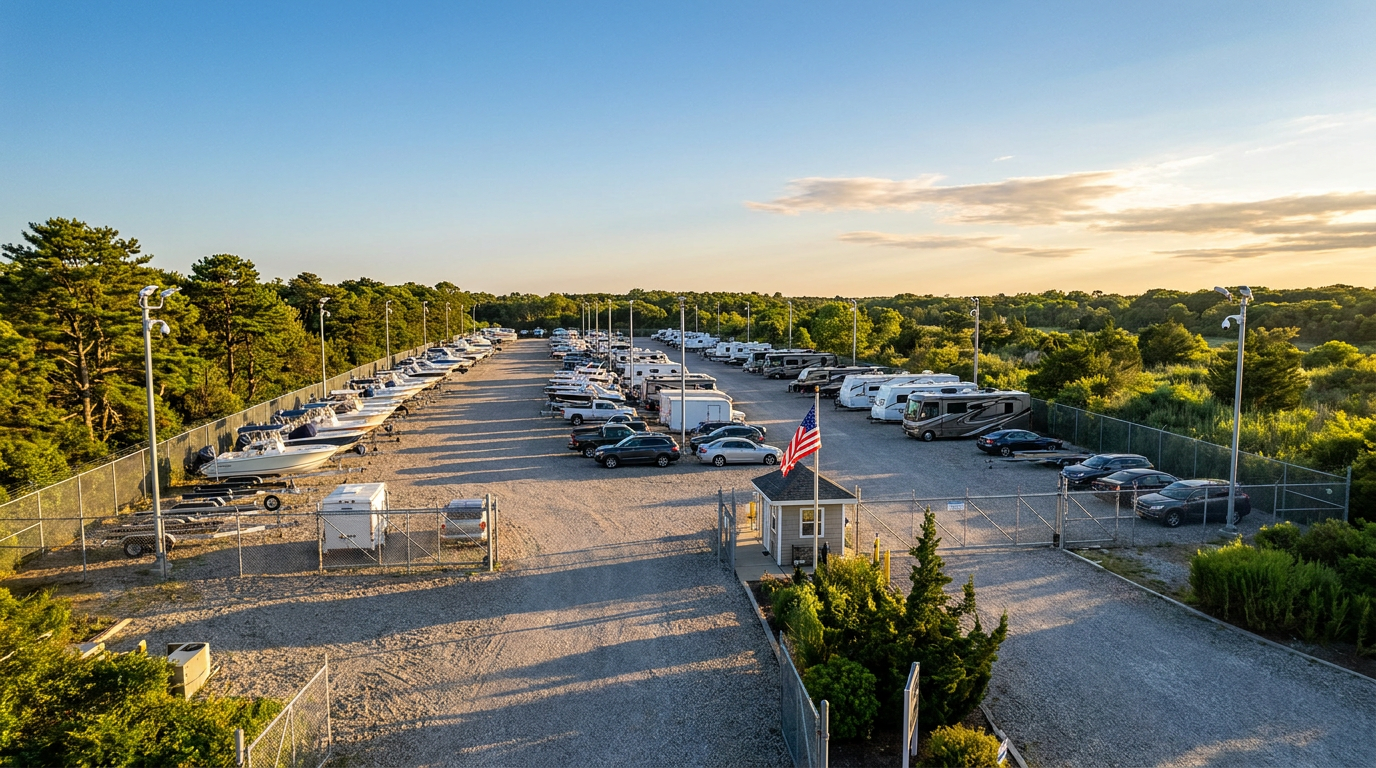
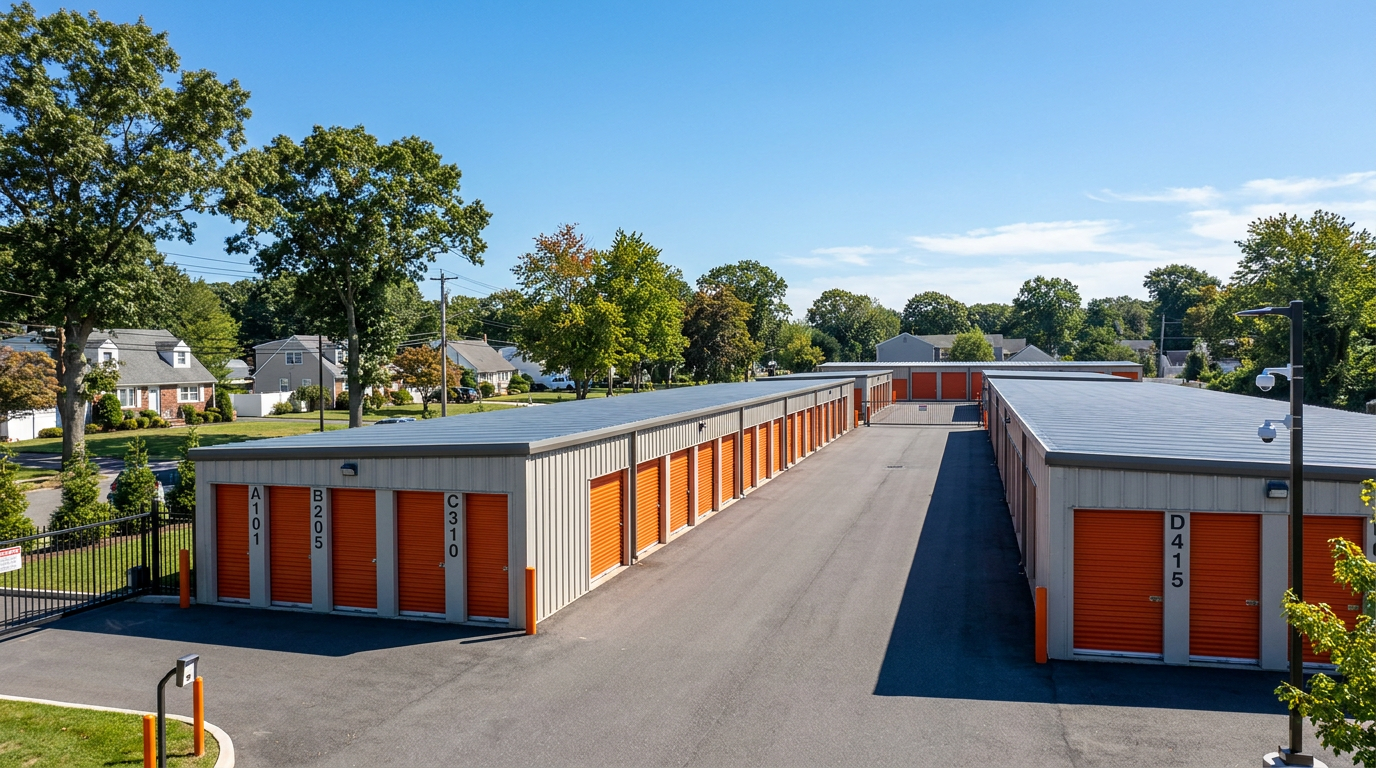
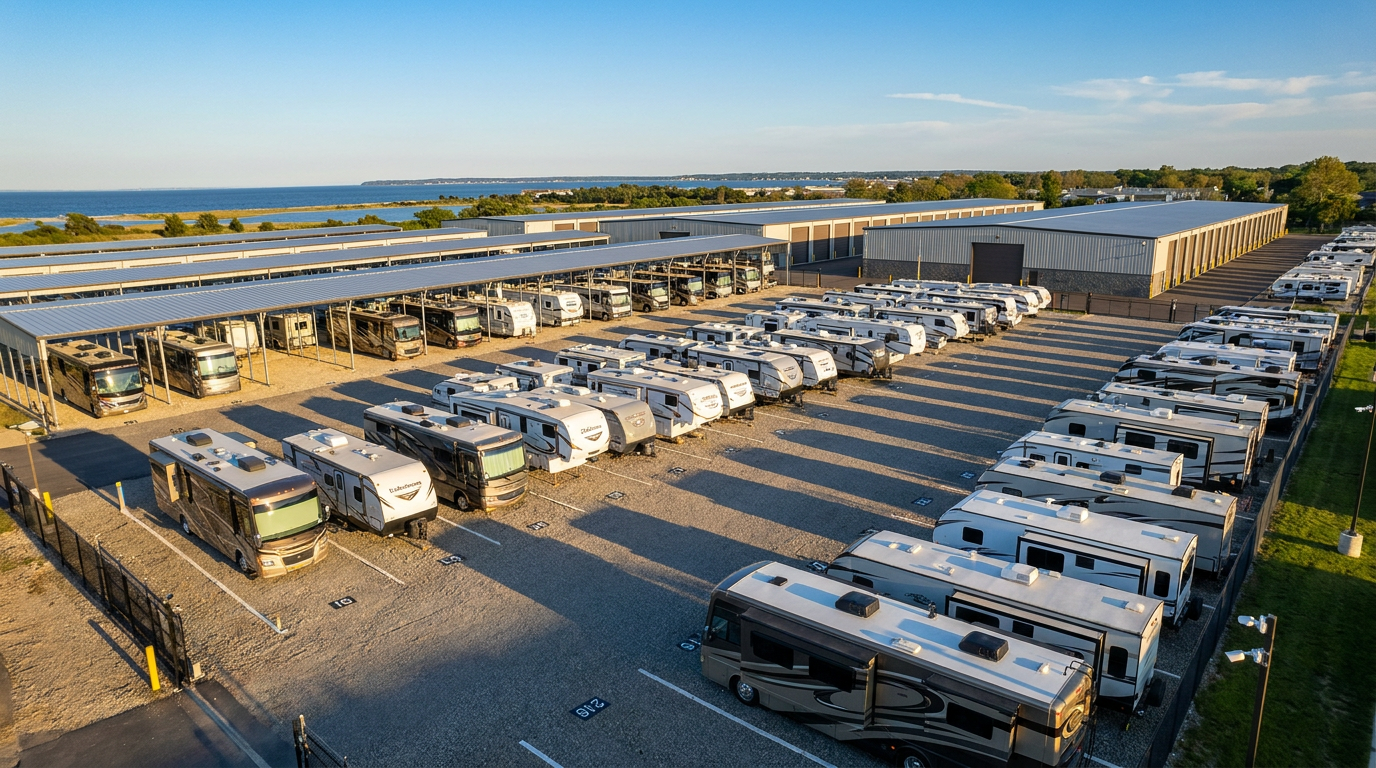
Moriches Storage provides these security essentials at their East Moriches facility, including a fully gated and paved property with LED lighting and security cameras. Their 12x20 and 12x30 open parking spaces accommodate most RV sizes at $155 to $175 monthly.
Hidden Costs and Fees to Anticipate
The advertised monthly rate rarely represents your total storage cost. Understanding additional fees prevents budget surprises. Most facilities charge administrative fees, require insurance, and may assess penalties for various situations.
Administrative fees at lease signing range from $15 to $50. Some facilities waive these fees for online rentals or promotional periods. Deposits typically equal one month's rent, though facilities offering no-deposit rentals eliminate this upfront cost.
Insurance requirements add $10 to $30 monthly to your costs. Most facilities require proof of coverage or purchase of their tenant protection plan. Your existing RV insurance may satisfy this requirement; check your policy before paying for duplicate coverage. Learn about storage protection plan options to understand what coverage you need.
Common Additional Charges
| Fee Type | Typical Amount | How to Avoid |
|---|---|---|
| Administrative Fee | $15 to $50 | Online rental promotions |
| Security Deposit | $100 to $200 | Choose no-deposit facilities |
| Late Payment | $20 to $50 | Set up autopay |
| Lock Cut Fee | $25 to $75 | Keep spare keys accessible |
| Insurance/Protection | $10 to $30/mo | Use existing RV policy |
Answering Common RV Storage Questions
What Is the Average Monthly Cost to Store an RV?
The average monthly cost to store an RV is $125 to $200 for outdoor uncovered parking nationwide. Covered storage averages $175 to $275 monthly. Enclosed indoor storage runs $250 to $400 on average. These figures represent 2026 pricing and vary significantly by region, with coastal areas and major metropolitan markets commanding 20 to 40 percent premiums.
What Is the 3-3-3 Rule for RVs?
The 3-3-3 rule is a travel guideline, not a storage rule. It recommends driving no more than 300 miles per day, arriving at your destination by 3:00 PM, and staying at least 3 nights at each location. This rule reduces driver fatigue and allows time to enjoy destinations. For storage purposes, this rule does not apply.
What Is the 444 Rule for RV?
The 444 rule suggests driving no more than 400 miles per day, stopping by 4:00 PM, and staying 4 nights minimum at each destination. Like the 3-3-3 rule, this applies to travel planning rather than storage. Some RV owners prefer this more relaxed pace for extended trips.
Can You Write Off RV Storage Fees?
RV storage fees may be tax-deductible if you use your RV for business purposes. The IRS allows deductions for business-related vehicle storage under certain conditions. If your RV serves as a mobile office, you attend trade shows, or you rent it commercially, consult a tax professional about deducting storage costs. Personal recreational use does not qualify for deductions.
Seasonal Storage Strategies to Reduce Costs
Strategic timing reduces annual storage expenses by 15 to 30 percent. Understanding seasonal pricing patterns helps you negotiate better rates or choose optimal lease timing.
Winter storage demand peaks from November through March in northern states. Facilities often offer discounted rates for summer storage when demand drops. Signing a 6-month lease during the off-season may lock in lower rates than month-to-month winter rentals.
Long-term lease discounts reward commitment. Many facilities offer 5 to 15 percent discounts for annual prepayment. Calculate whether the discount exceeds potential savings from month-to-month flexibility before committing. If you store your RV 8 or more months annually, prepayment typically saves money.
Money-Saving Tips for RV Owners
Compare at least three facilities before signing. Prices for identical storage types vary 25 to 40 percent between competing facilities within 10 miles. Online rental platforms like SpareFoot and Neighbor aggregate pricing for easy comparison.
Ask about price matching. Many storage operators match competitor rates to win your business. Bring documented quotes from nearby facilities when negotiating. Even facilities that do not advertise price matching may offer discounts to avoid losing customers.
Consider shared storage arrangements. Some RV owners split large covered spaces with friends or family members who own smaller trailers. Ensure any shared arrangement complies with facility rules and your insurance requirements.

Choosing the Right Storage for Your RV
Your RV's value, age, and usage patterns determine the appropriate storage investment. A $150,000 Class A diesel pusher warrants different protection than a $15,000 travel trailer. Match your storage choice to your actual risk tolerance and budget.
Newer RVs with manufacturer warranties may require covered or indoor storage to maintain warranty coverage. Check your warranty documentation for storage requirements. Voiding a warranty by choosing inadequate storage creates expensive repair liability.
Frequency of use affects storage selection. If you take your RV out monthly, prioritize convenient access over maximum protection. Weekend warriors benefit from facilities offering 24/7 access near their homes. Seasonal users who store for 6 or more months should prioritize security and protection features.
For RV owners on Long Island's South Shore, reviewing available storage options helps match your needs to available spaces. Open-air parking works well for travel trailers and fifth wheels used regularly throughout the camping season.
Preparing Your RV for Storage
Proper preparation prevents costly damage during storage periods. Spending 2 to 4 hours preparing your RV saves thousands in potential repairs from moisture, pests, and mechanical issues.
Clean the interior thoroughly before storage. Remove all food, empty refrigerators, and wipe down surfaces. Food residue attracts rodents that cause $500 to $5,000 in damage by chewing wires and insulation. Place moisture absorbers throughout the cabin to prevent mold growth.
Exterior preparation protects your investment. Wash and wax the exterior to prevent oxidation. Cover tires or use tire covers to prevent UV damage and flat-spotting. For storage exceeding 3 months, consider placing the RV on jack stands to relieve tire pressure.
Mechanical systems require attention before storage. Fill the fuel tank and add stabilizer to prevent fuel degradation. Disconnect batteries or use a maintenance charger to prevent discharge. Drain water systems and add antifreeze if storing in freezing temperatures.
|