S easonal items like snow blowers, beach chairs, holiday decorations, and winter coats take up 15 to 25 percent of usable closet and garage space in the average Long Island home. A self storage unit eliminates this clutter by housing off-season belongings in a secure, accessible location, freeing your living space year-round while protecting items from humidity, temperature swings, and pests common to Suffolk County's coastal climate.
| Key Points: | |
|---|---|
| • | A 5x5 unit ($135/month) stores 4 to 6 boxes of seasonal clothing plus holiday decorations |
| • | Clean and dry all items before storage to prevent mold growth in Long Island's humid summers |
| • | Rotate seasonal bins every March and October to keep current-season items accessible |
| • | Use clear plastic bins with tight lids instead of cardboard to protect against moisture and pests |
| • | Store temperature-sensitive items like electronics and vinyl records away from exterior walls |
What Seasonal Items Benefit Most from Self Storage
Long Island residents accumulate substantial seasonal gear due to the region's distinct four-season climate. Summer brings beach equipment, patio furniture, and water sports gear, while winter requires snow removal equipment, heavy coats, and holiday decorations. According to Extra Space Storage's seasonal guide, grouping similar items together by season makes retrieval faster and prevents forgotten belongings.
The Self Storage Association reports that 65 percent of storage unit renters use their space for seasonal item rotation. This approach works particularly well for second-home owners in the Hamptons and Westhampton areas who need secure storage between visits.
Summer Items to Store During Winter
Beach chairs, umbrellas, and coolers consume significant garage space from October through April. Kayaks, paddleboards, and inflatable pool toys require proper preparation before storage. Deflate inflatables completely, rinse off salt and sand, and dry thoroughly to prevent mildew formation during the six-month storage period.
Patio furniture, including cushions and outdoor rugs, should be cleaned with mild soap and water before storage. Remove cushion covers and wash them separately. Store metal furniture with a light coating of WD-40 on joints to prevent rust in humid conditions.
Winter Items to Store During Summer
Snow blowers, ice scrapers, and rock salt bags take up prime garage real estate during warm months. Heavy winter coats, boots, and thermal gear fill closets that could hold summer clothing. Holiday decorations, including artificial trees, light strands, and ornaments, often occupy 8 to 12 cubic feet of storage space per household.
Skis, snowboards, and winter sports equipment require specific storage conditions. Store skis with bindings released to reduce spring tension. Wax snowboard bases before storage to protect against oxidation during the off-season.
How to Prepare Items for Seasonal Storage
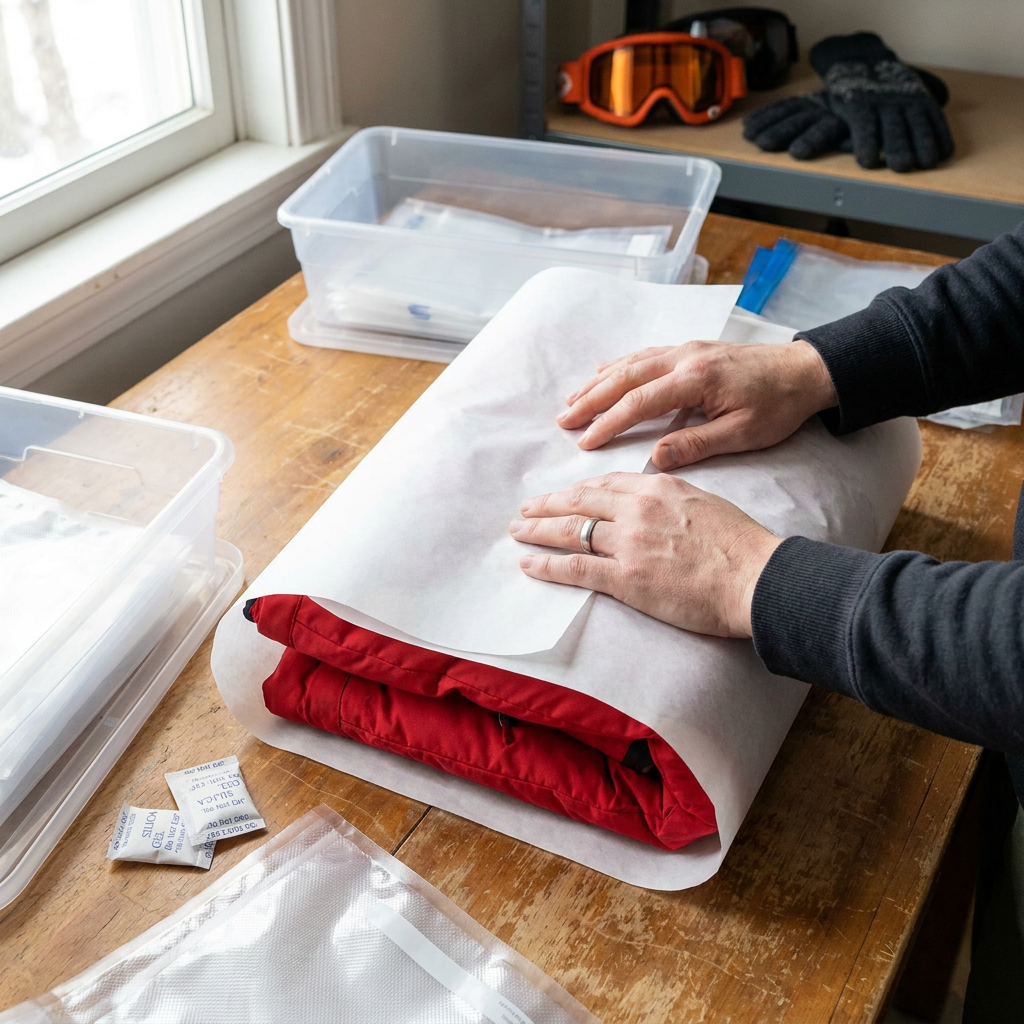
Proper preparation prevents 90 percent of storage-related damage, according to the Institute of Inspection, Cleaning and Restoration Certification (IICRC). Items stored dirty, damp, or improperly packed deteriorate faster and attract pests. Suffolk County's proximity to the Atlantic Ocean creates humidity levels averaging 70 to 80 percent during summer months, making preparation especially critical.
Cleaning Requirements by Item Type
Clothing requires washing or dry cleaning before storage. Body oils, food stains, and perspiration attract insects and cause yellowing over time. The American Cleaning Institute recommends storing garments in breathable cotton bags rather than plastic, which traps moisture and promotes mold growth.
Sports equipment needs thorough cleaning and drying. Wipe down golf clubs with a damp cloth and dry completely. Clean bicycle chains and apply fresh lubricant. Drain fuel from lawn mowers and power equipment to prevent carburetor damage during extended storage.
| Item Category | Preparation Steps | Recommended Container |
|---|---|---|
| Winter Clothing | Wash, dry completely, fold or hang | Breathable garment bags, cedar-lined boxes |
| Beach Equipment | Rinse salt/sand, dry 24 to 48 hours | Large plastic bins with ventilation holes |
| Holiday Decorations | Wrap fragile items, test lights before packing | Clear plastic bins with tight-sealing lids |
| Power Equipment | Drain fuel, clean air filter, change oil | Store upright on pallet or shelf |
| Patio Furniture | Clean with mild soap, dry completely, lubricate joints | Furniture covers or moving blankets |
Packing Materials That Protect Against Long Island Weather
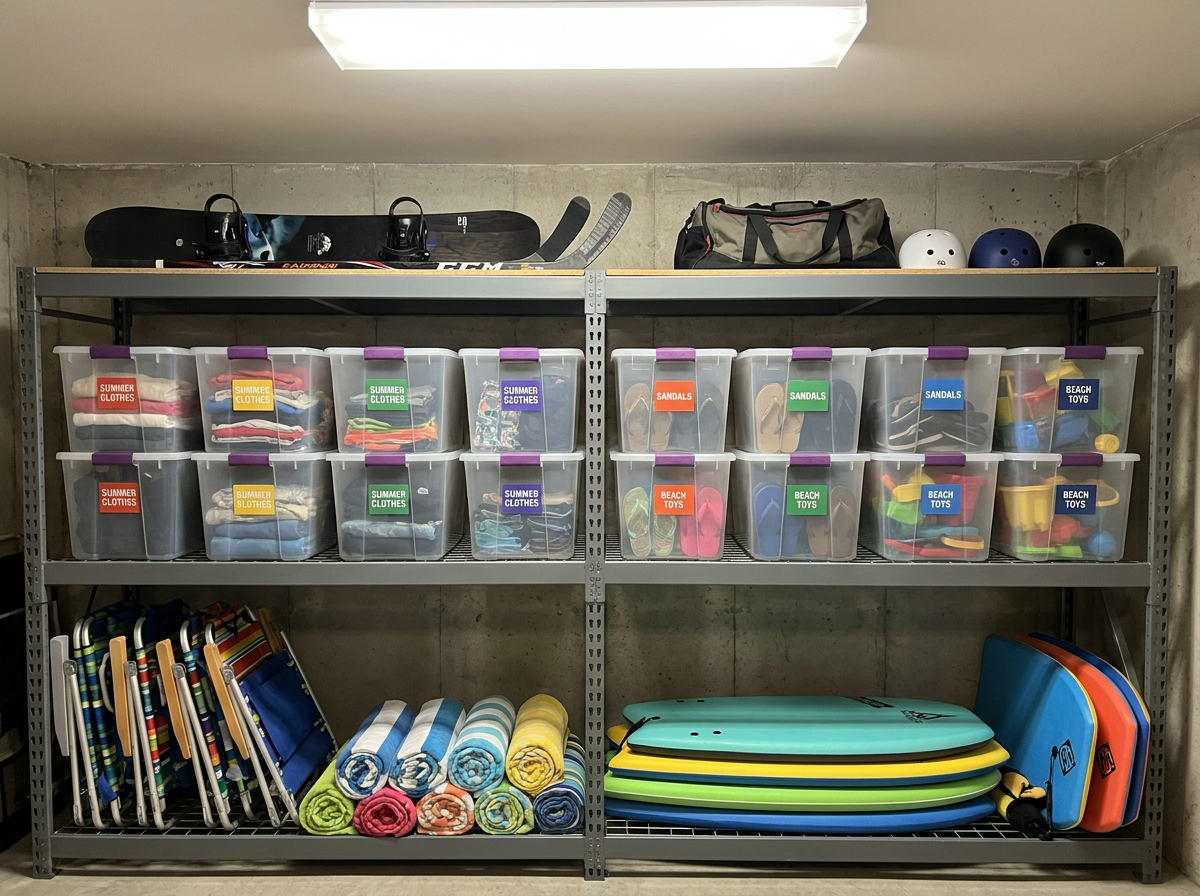
Clear plastic bins with snap-lock lids outperform cardboard boxes for seasonal storage. Cardboard absorbs moisture, weakens over time, and provides entry points for silverfish and rodents. The National Pest Management Association reports that cardboard boxes are the primary entry method for storage pests.
Silica gel packets placed inside bins absorb excess moisture. Use 2 to 3 packets per medium-sized bin. Cedar blocks deter moths from wool and cashmere items without the chemical smell of mothballs. Acid-free tissue paper prevents yellowing on white and light-colored fabrics.
Choosing the Right Storage Unit Size for Seasonal Items
Unit size selection depends on the volume and type of seasonal items you need to store. Underestimating space leads to cramped units where items get damaged from stacking. Overestimating wastes money on unused square footage. Our storage unit size guide provides detailed dimensions and capacity estimates for each unit type.
Small Units for Clothing and Decorations
A 5x5 unit provides 25 square feet, equivalent to a large closet. This size accommodates 10 to 15 medium moving boxes, making it ideal for seasonal clothing, holiday decorations, and small sporting goods. At $135 per month, this represents the most economical option for households storing primarily soft goods and boxed items.
A 5x10 unit doubles the capacity to 50 square feet, fitting a small room's worth of belongings. This size works well for families with children's seasonal sports equipment, multiple sets of holiday decorations, and both summer and winter wardrobes. The 5x10 option at $185 per month provides flexibility for households that accumulate seasonal items over time.
Medium Units for Furniture and Equipment
An 8x10 or 10x10 unit accommodates patio furniture sets, multiple bicycles, and larger seasonal equipment. The 10x10 size at $275 per month fits the contents of a one-bedroom apartment, making it suitable for seasonal residents who store furniture between visits to their South Shore properties.
Contractors storing seasonal equipment like pressure washers, landscaping tools, and holiday lighting installation gear benefit from the 10x15 size at $345 per month. This provides room for equipment organization with shelving while maintaining clear pathways for access.
Large Units for Boats and Vehicles
Seasonal vehicle storage requires larger units or dedicated parking spaces. A 10x20 unit at $425 per month accommodates small boats, jet skis, and personal watercraft during winter months. Our 12x20 and 12x30 open parking spaces at $155 and $175 per month respectively provide secure outdoor storage for boats, RVs, and seasonal vehicles.
The 4 D's of Self Storage Organization
Professional organizers developed the 4 D's framework specifically for storage unit management: Declutter, Designate, Distribute, and Document. This system reduces retrieval time by 40 percent compared to unorganized units, according to the National Association of Productivity and Organizing Professionals (NAPO).
Declutter Before You Store
Sort through seasonal items before packing. Discard broken holiday lights, stained beach towels, and sports equipment children have outgrown. The average household stores 20 to 30 percent of items they will never use again. Donating or selling these items reduces storage costs and simplifies future rotation.
Designate Zones Within Your Unit
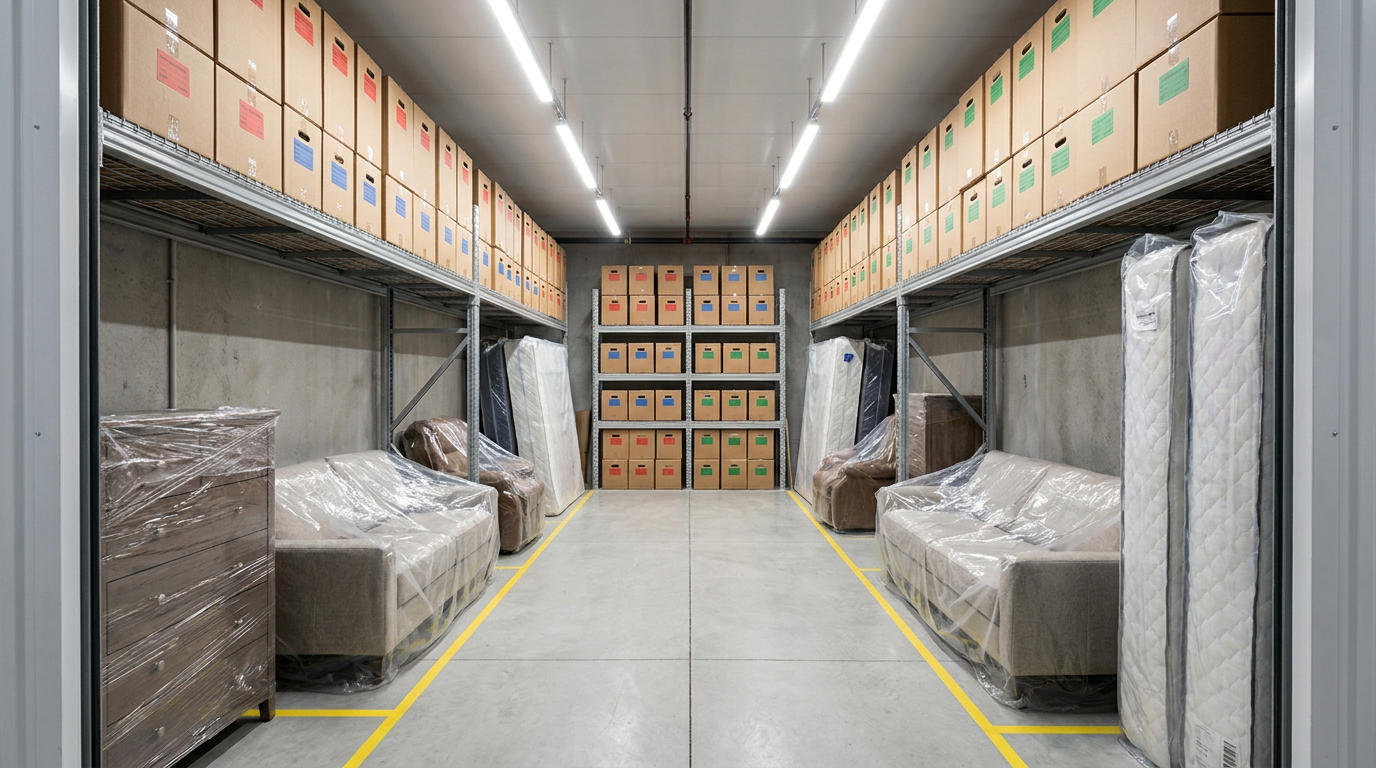
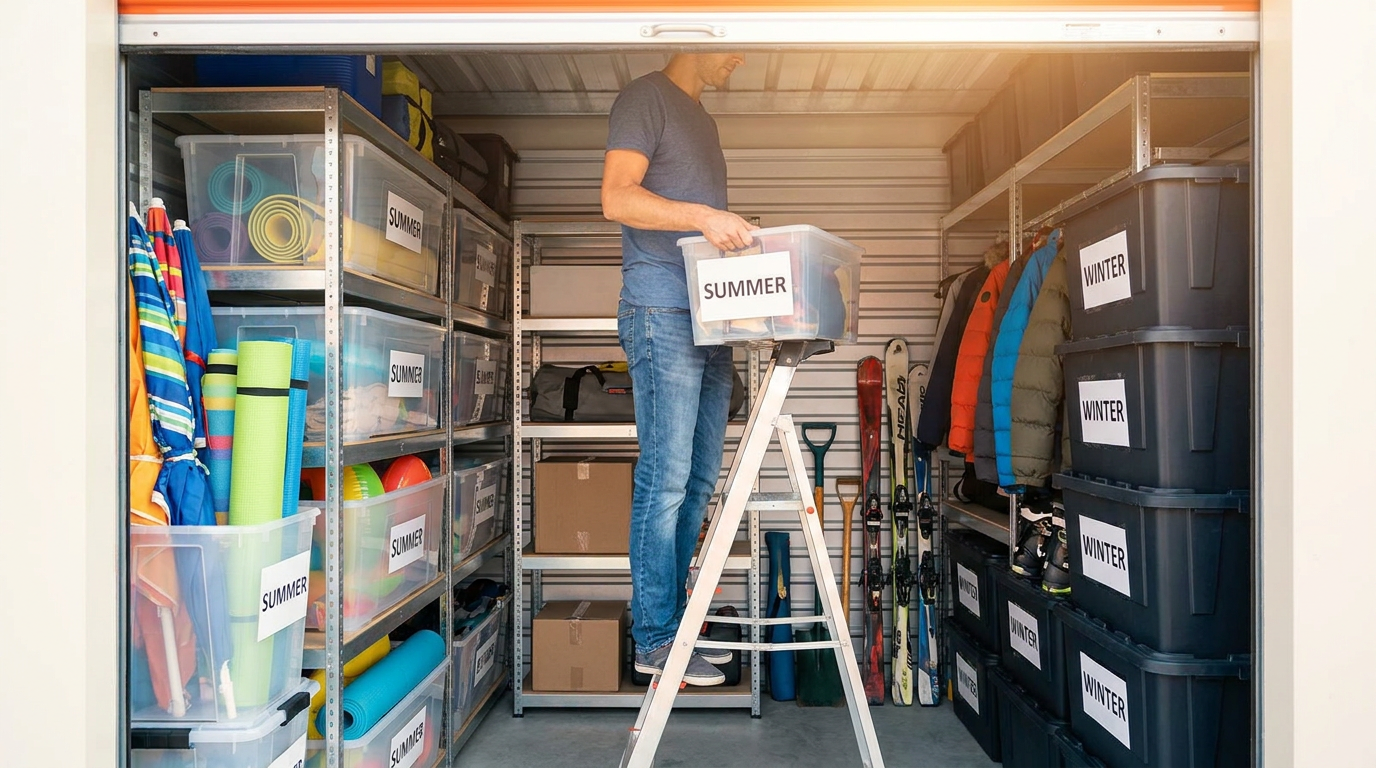
Create distinct areas for summer items, winter items, and holiday decorations. Place the upcoming season's items near the front of the unit. Use colored labels or bins to identify zones quickly: blue for winter, yellow for summer, red and green for holidays.
Distribute Weight and Access Properly
Heavy items belong on the bottom of stacks and against walls. Frequently accessed items stay at eye level and near the unit entrance. Create a center aisle at least 2 feet wide to access items at the back without unstacking everything.
Document Your Inventory
Photograph the contents of each bin before sealing. Create a spreadsheet or use apps like Sortly or Encircle to track what you store and where. This documentation proves invaluable for insurance purposes and prevents purchasing duplicate items you forgot you owned.
Summer Storage Tips for Long Island Residents
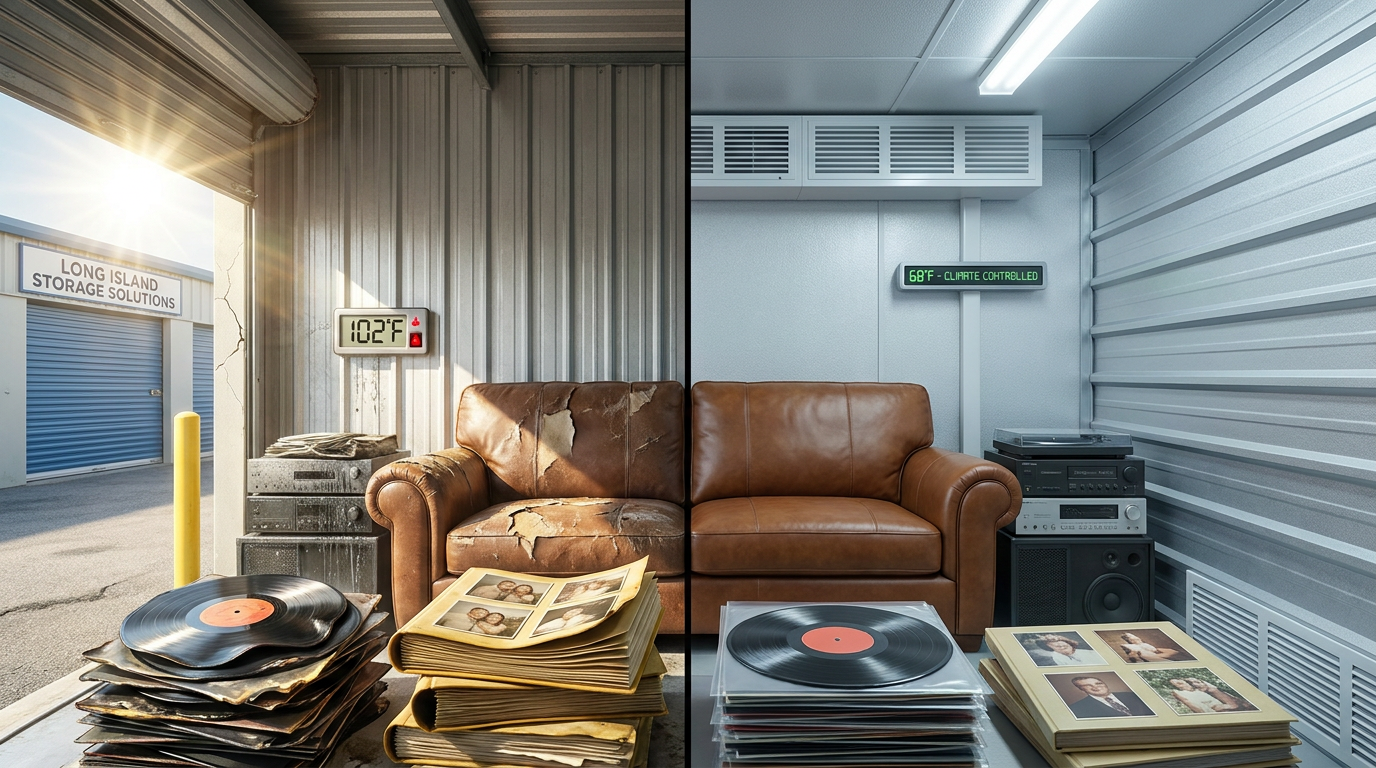
Summer on Long Island brings specific storage challenges. Temperatures inside non-climate-controlled units can reach 100 to 120 degrees Fahrenheit during July and August heat waves. Humidity levels peak during summer months, creating conditions that damage electronics, photographs, and certain fabrics.
Items That Require Special Summer Precautions
Vinyl records warp at temperatures above 95 degrees Fahrenheit. Candles melt and lose their shape. Cosmetics and medications degrade in heat. Electronics with lithium batteries pose fire risks in extreme heat. Store these items in climate-controlled environments or keep them at home during summer months.
According to Self Storage Plus, separating temperature-sensitive items from heat-resistant belongings prevents cross-contamination damage. Place heat-sensitive items in insulated cooler bags within your storage unit for an extra layer of protection.
Protecting Winter Gear During Hot Months
Down jackets and sleeping bags lose loft when compressed long-term. Store these items loosely in breathable cotton bags rather than vacuum-sealed containers. Leather boots and gloves benefit from conditioning before storage to prevent cracking in dry summer air.
Ski and snowboard wax can melt and transfer onto other items in hot units. Wrap waxed equipment in old sheets or towels. Store skis horizontally on shelving rather than standing them vertically against walls where they may warp.
Winter Storage Tips for Coastal Communities
Winter storage on Long Island's South Shore presents different challenges than summer. Salt air accelerates corrosion on metal items. Freezing temperatures can crack plastic containers and damage items with water content. The freeze-thaw cycle common from December through March causes condensation inside storage units.
Protecting Summer Equipment from Winter Damage
Drain all water from garden hoses, pressure washers, and outdoor fountains. Residual water expands when frozen, cracking hoses and damaging pump mechanisms. The Irrigation Association recommends running compressed air through irrigation systems before winter storage.
Beach chairs and outdoor furniture with fabric components need protection from condensation. Wrap cushions in plastic sheeting with desiccant packets inside. Elevate items off concrete floors using pallets or 2x4 lumber to prevent moisture wicking from the ground.
Preparing Boats and Watercraft for Winter Storage
Winterizing boats requires draining all water systems, adding antifreeze to engines, and removing batteries for indoor storage. The BoatUS Foundation recommends covering boats with breathable covers rather than plastic tarps, which trap moisture and promote mold growth.
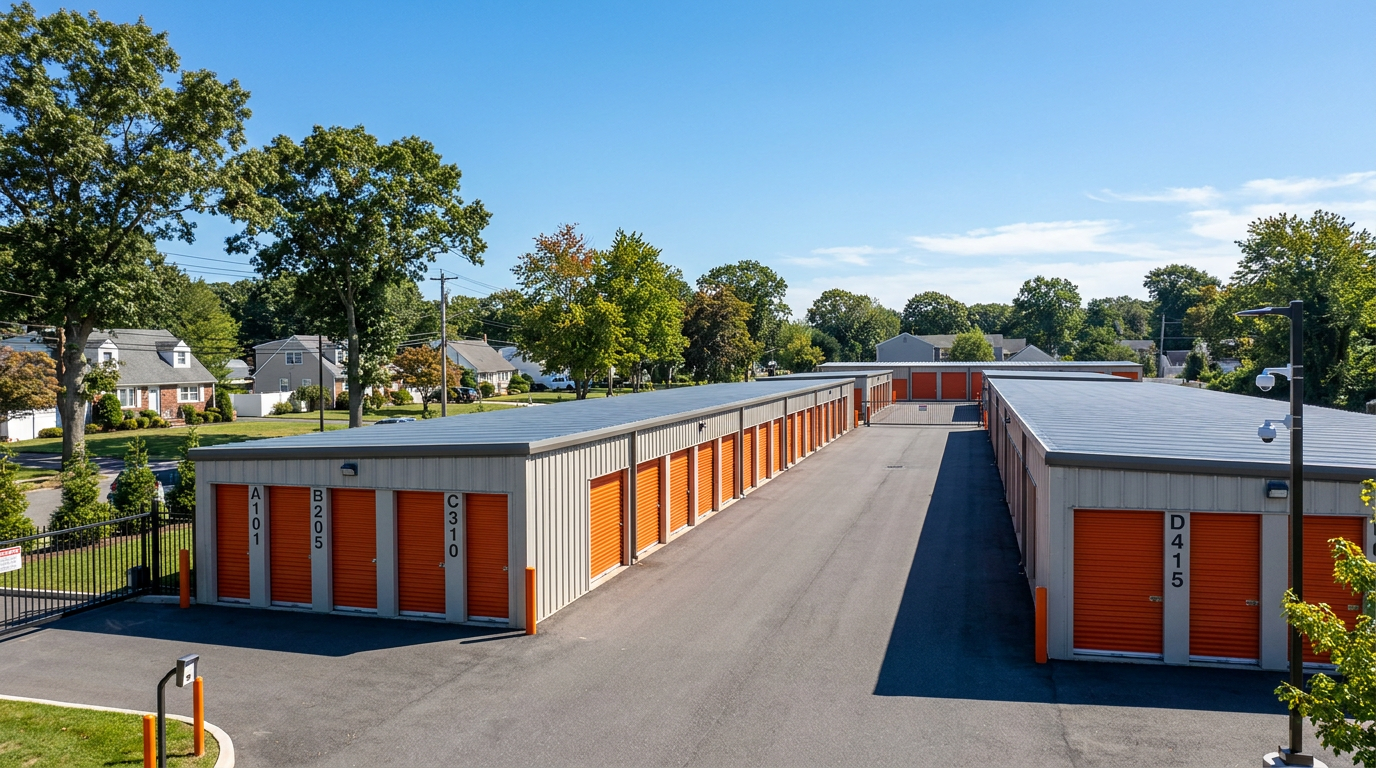
Our secure facility in East Moriches provides gated access and security cameras for boat and RV storage. The paved lot prevents tire damage common with gravel or grass storage areas during freeze-thaw cycles.
What Not to Store in Self Storage Units
Certain items are prohibited in self storage facilities for safety and legal reasons. Storing prohibited items can void your rental agreement and tenant protection coverage. Our tenant protection plan outlines covered and excluded items in detail.
Prohibited Items by Category
Flammable materials including gasoline, propane tanks, and fireworks cannot be stored in any self storage unit. Drain fuel from lawn mowers and snow blowers before storage. Remove propane tanks from grills and store them at home in ventilated areas.
Perishable food attracts rodents and insects. Even canned goods with long shelf lives should not be stored in non-climate-controlled units where temperature extremes can compromise seals. Pet food in original bags is particularly attractive to pests.
Living things, including plants, are prohibited. Hazardous materials including paint, chemicals, and automotive fluids require specialized disposal rather than storage. Firearms regulations vary by state; check local laws before storing weapons in self storage.
Preventing Mold and Mildew in Stored Clothing
Mold spores require moisture, warmth, and organic material to grow. Clothing stored damp or in humid conditions develops mold within 24 to 48 hours under optimal conditions. The Environmental Protection Agency (EPA) recommends maintaining relative humidity below 60 percent to prevent mold growth.
Signs of Mold-Prone Storage Conditions
Musty odors when opening your unit indicate moisture problems. Visible condensation on plastic bins or unit walls signals high humidity. Cardboard boxes that feel soft or show water stains have absorbed moisture that will transfer to contents.
As noted by Hollow Tree Storage, checking your unit monthly during the first season helps identify problems before significant damage occurs. Adjust your storage approach based on what you observe during these visits.
Mold Prevention Strategies
Ensure all clothing is completely dry before packing. Run items through an extra dryer cycle if uncertain. Use moisture-absorbing products like DampRid or silica gel in each storage container. Leave small gaps between bins and walls to promote air circulation.
Natural fiber clothing including cotton, wool, and silk are more susceptible to mold than synthetic materials. Prioritize these items for breathable storage containers and place them on upper shelves where air circulation is better.
Creating a Seasonal Rotation Schedule
Effective seasonal storage requires a rotation schedule aligned with Long Island's climate patterns. Most residents benefit from two major rotations annually: spring (late March to early April) and fall (late September to early October). Our FAQ page answers common questions about access hours and rental flexibility.
Spring Rotation Checklist
Move winter coats, boots, and cold-weather accessories to storage. Retrieve beach equipment, patio furniture, and summer clothing. Inspect winter items for damage before storing. Clean and repair any issues to prevent deterioration during summer months.
This is also the time to retrieve lawn care equipment and prepare it for the season. Replace spark plugs, sharpen mower blades, and add fresh fuel. Store snow blowers and ice melt in their place.
Fall Rotation Checklist
Reverse the spring process. Clean and store summer items, retrieve winter gear. Inspect stored winter items for pest damage or moisture issues. Test holiday lights before the season to allow time for replacements.
Fall rotation should occur before the first frost, typically mid-October on Long Island. Waiting too long risks damage to summer items from unexpected early freezes.
Cost Comparison: Home Storage vs. Self Storage
Many homeowners underestimate the true cost of storing seasonal items at home. Garage space used for storage cannot house vehicles, leading to weather damage and reduced car lifespan. Cluttered attics and basements reduce home value and create safety hazards.
| Storage Method | Monthly Cost | Hidden Costs | Benefits |
|---|---|---|---|
| Garage Storage | $0 direct | Vehicle exposure, reduced home value, pest risk | Immediate access |
| Attic Storage | $0 direct | Extreme temperatures, difficult access, fire risk | No rental fees |
| 5x5 Storage Unit | $135 | Transportation to facility | Security, organization, home space freed |
| 5x10 Storage Unit | $185 | Transportation to facility | Room for growth, drive-up access |
| 10x10 Storage Unit | $275 | Transportation to facility | Full seasonal rotation, furniture storage |
Security Features That Protect Seasonal Belongings
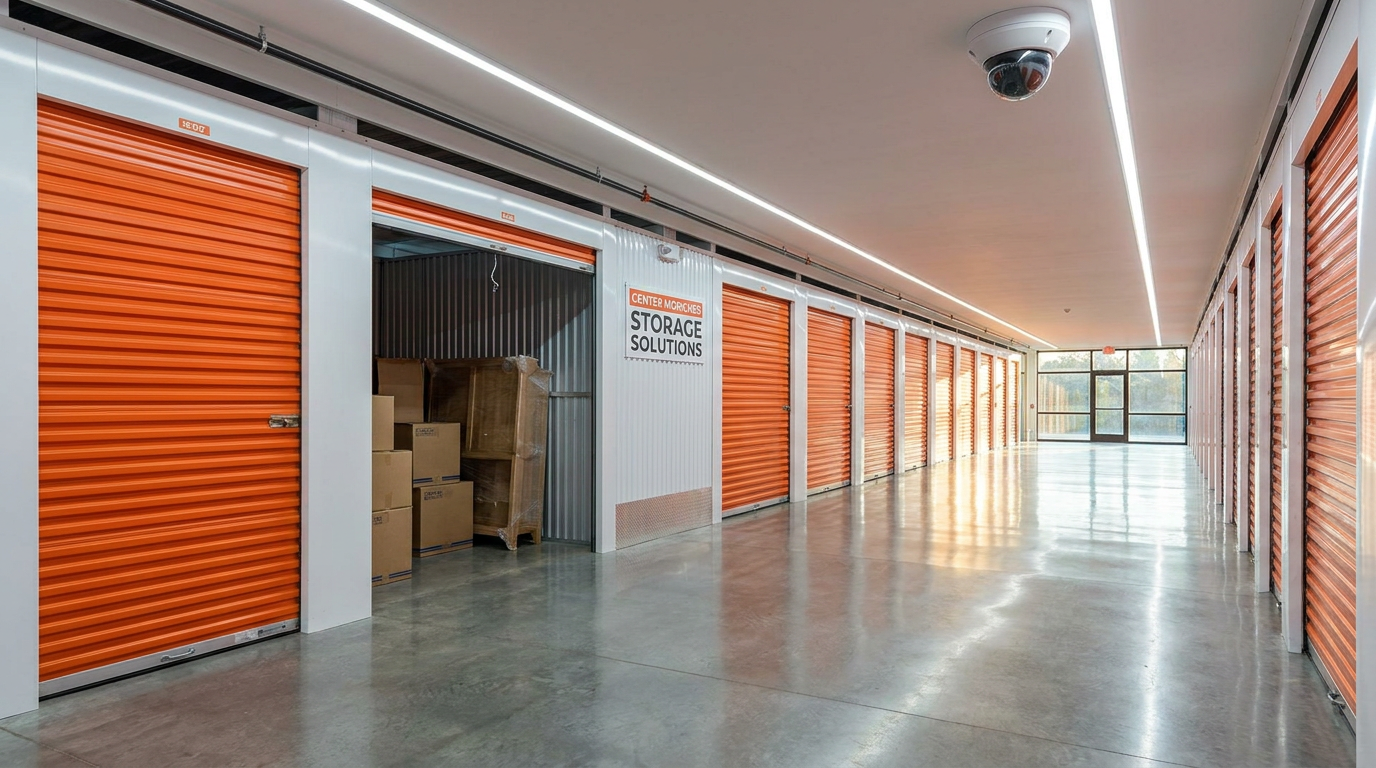
Seasonal items often include high-value equipment like boats, sports gear, and electronics. Security features matter when storing belongings you will not access for months at a time. Our fully gated facility features LED lighting, security cameras, and electronic access control for 24/7 monitoring.
What to Look for in a Secure Facility
Perimeter fencing with controlled access gates prevents unauthorized entry. Security cameras with recording capability provide evidence if incidents occur. Individual unit alarms alert management to unauthorized access attempts. Well-lit facilities deter criminal activity and make nighttime access safer for tenants.
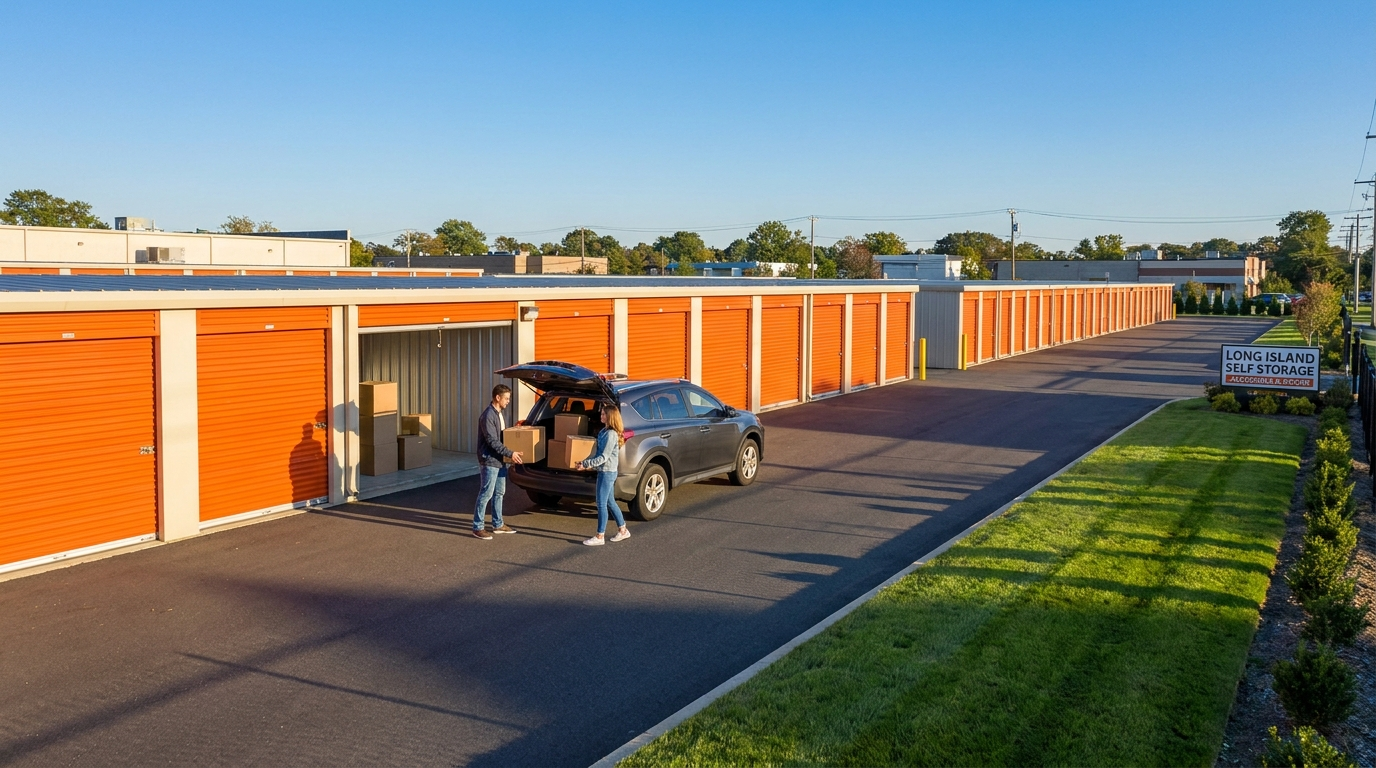
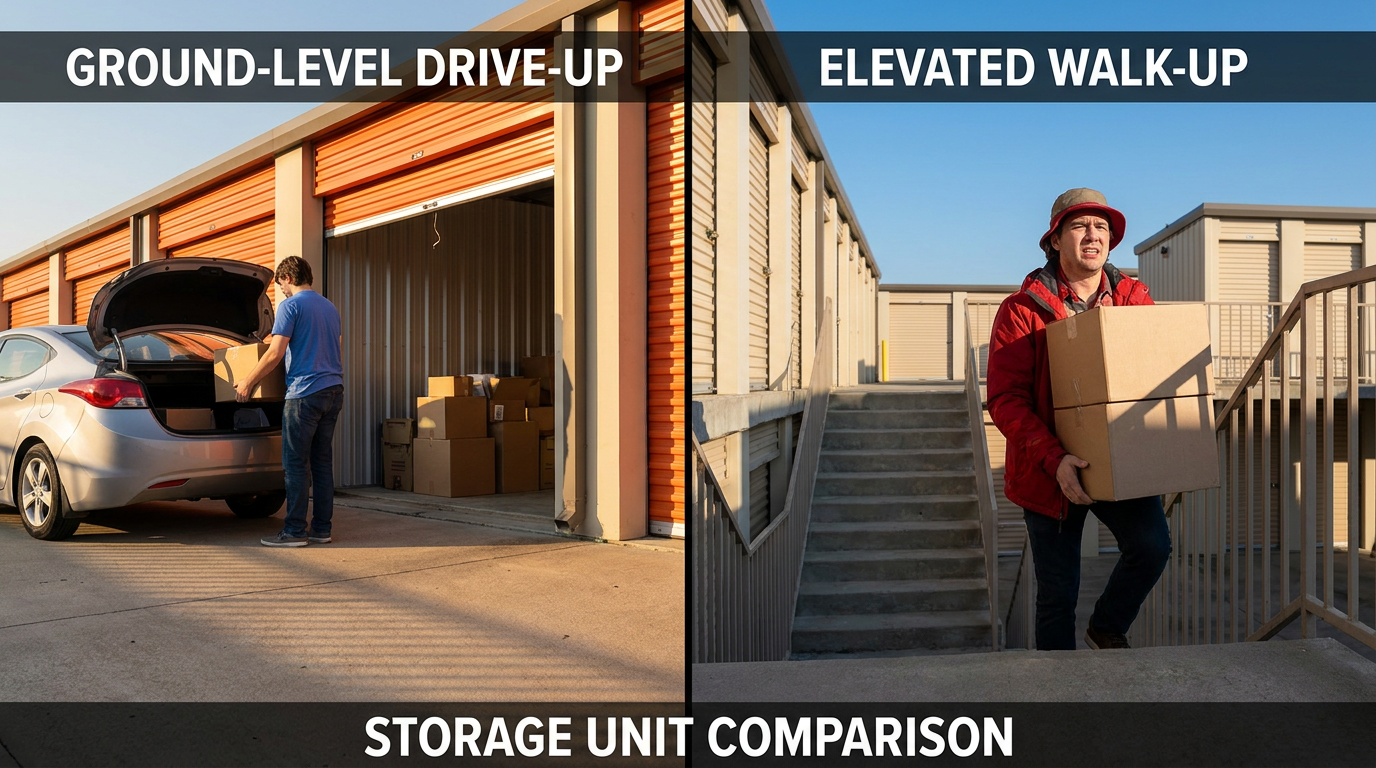
Drive-up access units allow you to load and unload directly from your vehicle, reducing exposure time for valuable items. This feature proves especially valuable when rotating heavy seasonal equipment or large furniture pieces.
Frequently Asked Questions About Seasonal Storage
What Are the 4 D's of Self Storage?
The 4 D's are Declutter, Designate, Distribute, and Document. Declutter by removing items you no longer need before storing. Designate specific zones within your unit for different categories. Distribute items with heavy pieces on bottom and frequently accessed items near the front. Document everything with photos and inventory lists.
What Should You Not Store in Self Storage?
Never store flammable materials (gasoline, propane, fireworks), perishable food, living things (plants, animals), hazardous chemicals, or illegal items. Medications and cosmetics degrade in temperature extremes. Check your facility's specific prohibited items list before storing.
What Is the Most Money Found in a Storage Unit?
The largest documented cash find in an abandoned storage unit was $7.5 million, discovered in a 2011 auction. However, such finds are extremely rare. Most abandoned units contain household items worth $500 to $2,000 on average, according to Storage Auction statistics.
Do Clothes Get Moldy in Storage?
Clothes can develop mold in storage if stored damp or in high-humidity conditions. Prevent mold by ensuring all items are completely dry before packing, using moisture absorbers, choosing breathable containers over airtight plastic bags, and checking your unit periodically for signs of moisture problems.
|