Long Island Storage Costs 2026: Prices by Size and Region |
| LONG ISLAND STORAGE COST GUIDE: PRICE FACTORS AND REGIONAL COMPARISON
⏱ 18 min read ·
📄 #3,558 words
Compare Long Island storage unit costs by size, location, and features. See Nassau vs. Suffolk County prices and learn what factors affect monthly rates.
|
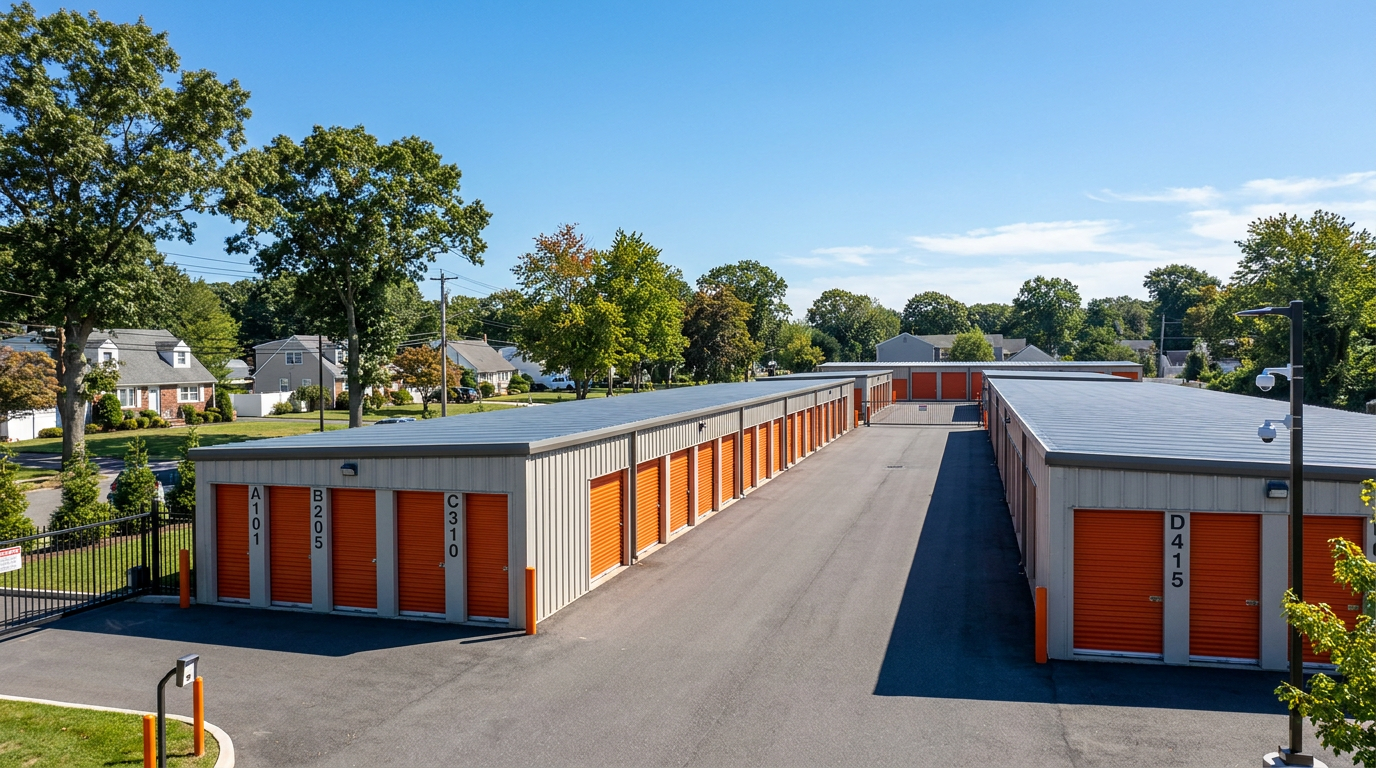
S torage units on Long Island cost between $90 and $485 per month depending on unit size, location, and features. Suffolk County facilities typically charge 15 to 25 percent less than Nassau County locations, while Queens and Brooklyn prices run 30 to 50 percent higher than most Long Island options. A standard 10x10 drive-up unit averages $200 to $300 monthly across Long Island, with climate-controlled units adding $30 to $75 to the base price.
| Key Points: | |
|---|---|
| • | 5x5 units start at $90 to $135 per month; 10x20 units range from $350 to $485 per month |
| • | Nassau County storage costs 15 to 25 percent more than Suffolk County facilities |
| • | Drive-up units cost $30 to $75 less monthly than climate-controlled options of the same size |
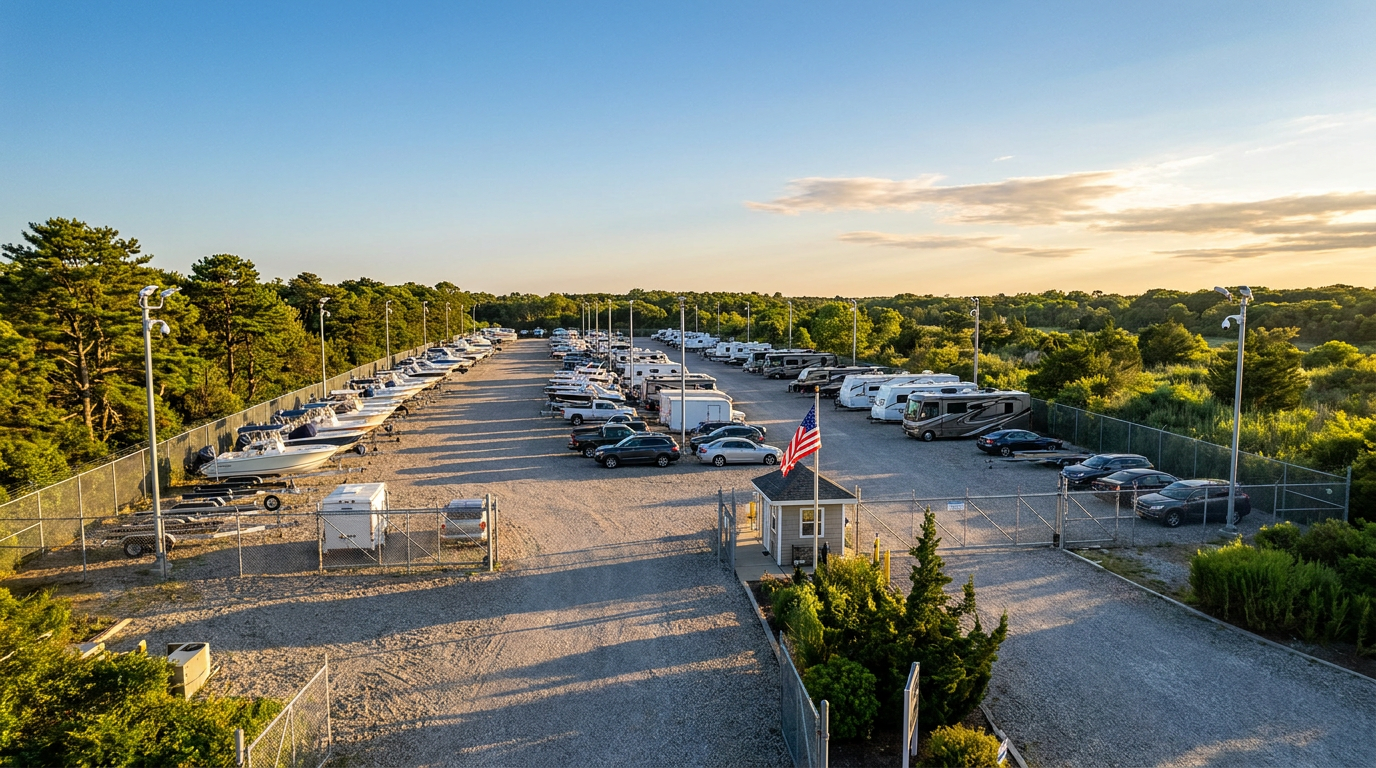
| • | Outdoor vehicle and boat parking runs $155 to $175 per month for 12x20 to 12x30 spaces |
| • | East Moriches and South Shore locations offer competitive rates with easier access than western Long Island |
Average Storage Unit Costs on Long Island by Size
Storage pricing follows a predictable pattern: smaller units have higher per-square-foot costs, while larger units offer better value per square foot but higher total monthly bills. According to SpareFoot's 2026 pricing data, the national average for storage units sits at $89.09 per month, but Long Island rates run significantly higher due to real estate costs and demand.
The Self Storage Association reports that New York State has one of the lowest storage facility densities per capita in the nation, which keeps prices elevated compared to national averages. Long Island's combination of high population density and limited commercial land makes storage space particularly valuable.
| Unit Size | Square Feet | Suffolk County Range | Nassau County Range | Best For |
|---|---|---|---|---|
| 5x5 | 25 sq ft | $90 to $135 | $110 to $165 | Small boxes, seasonal items |
| 5x10 | 50 sq ft | $140 to $185 | $175 to $225 | Studio apartment, small furniture |
| 10x10 | 100 sq ft | $200 to $275 | $250 to $340 | 1-2 bedroom apartment |
| 10x15 | 150 sq ft | $280 to $345 | $340 to $420 | 2-3 bedroom home |
| 10x20 | 200 sq ft | $350 to $425 | $425 to $525 | 3-4 bedroom home, vehicles |
| 10x30 | 300 sq ft | $475 to $595 | $575 to $725 | Large home, business inventory |
These ranges reflect 2026 market rates for drive-up storage without climate control. Facilities with premium features, prime locations, or limited availability may charge at the higher end or above these ranges.
Seven Factors That Determine Storage Unit Prices
Understanding what drives storage costs helps you identify where to save money and which features justify higher prices. According to SROA's analysis of New York storage pricing, location and unit size account for roughly 70 percent of price variation, with features and amenities making up the remaining 30 percent.
1. Unit Size and Configuration
Larger units cost more in total but less per square foot. A 5x5 unit at $135 per month works out to $5.40 per square foot, while a 10x20 unit at $425 per month costs just $2.13 per square foot. Non-standard dimensions like 4x10 or 8x15 units sometimes offer better value because they match specific needs without paying for unused space.
Ceiling height also affects usable space. Standard units have 8-foot ceilings, but some facilities offer 10 or 12-foot ceilings that allow vertical stacking. A 10x10 unit with 10-foot ceilings provides 25 percent more cubic footage than the same footprint with 8-foot ceilings.
2. Geographic Location
Real estate costs, property taxes, and local demand create significant price differences across Long Island. Nassau County's proximity to New York City, combined with limited available land, pushes prices 15 to 25 percent higher than Suffolk County. The Inside Self-Storage Industry Factbook reports that New York metropolitan area storage facilities pay property taxes averaging $2.50 to $4.00 per square foot annually, costs that get passed to customers.
Within Suffolk County, prices vary by submarket. Western Suffolk communities like Huntington and Babylon typically charge more than eastern areas like Riverhead, Moriches, and the Hamptons fringes. However, seasonal demand in Hamptons-adjacent areas can spike summer rates.
3. Climate Control Features
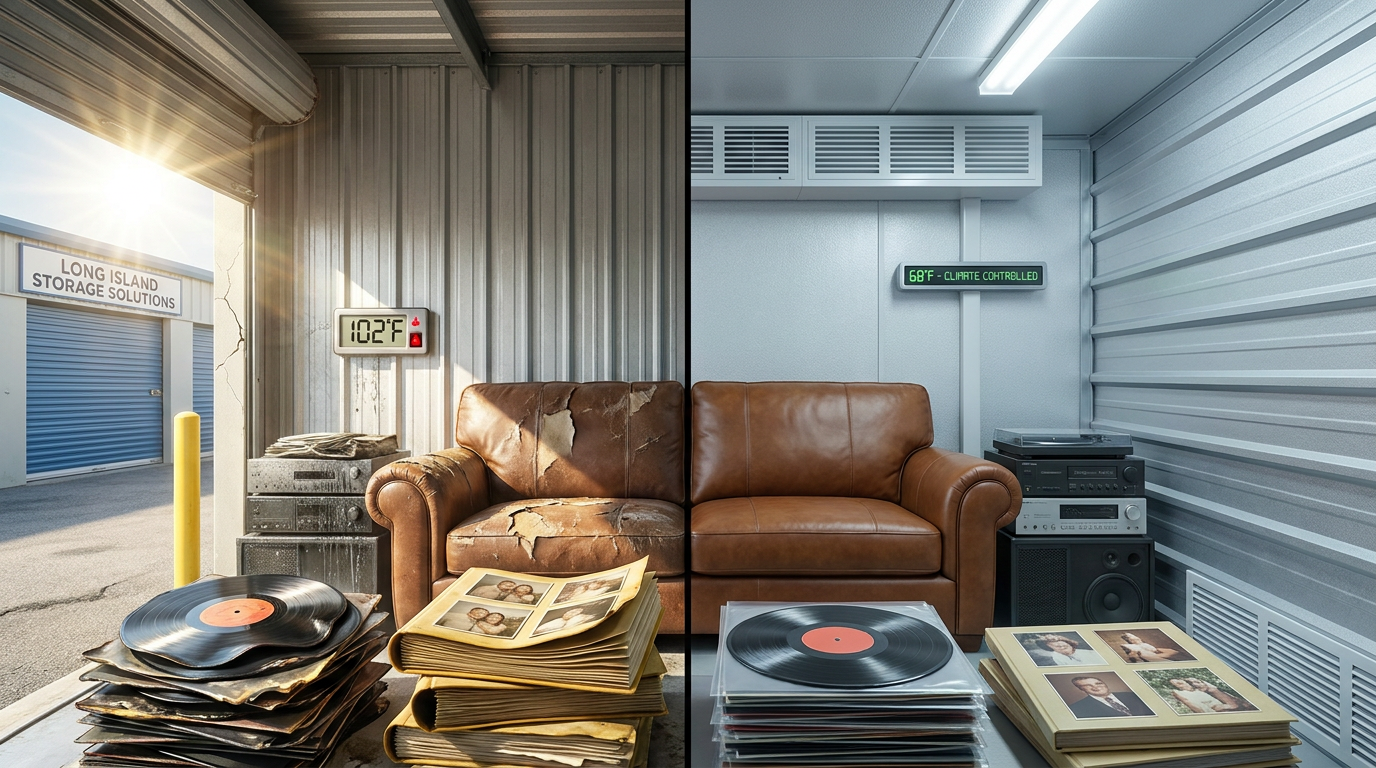
Climate-controlled units maintain temperatures between 55 and 80 degrees Fahrenheit year-round, protecting sensitive items from humidity, temperature swings, and condensation. These units typically cost $30 to $75 more per month than standard drive-up units of the same size.
Climate control becomes essential for electronics, wooden furniture, artwork, documents, photographs, leather goods, and wine collections. Long Island's humid summers and cold winters can damage these items in non-climate-controlled spaces within 6 to 12 months.
4. Access Type and Convenience
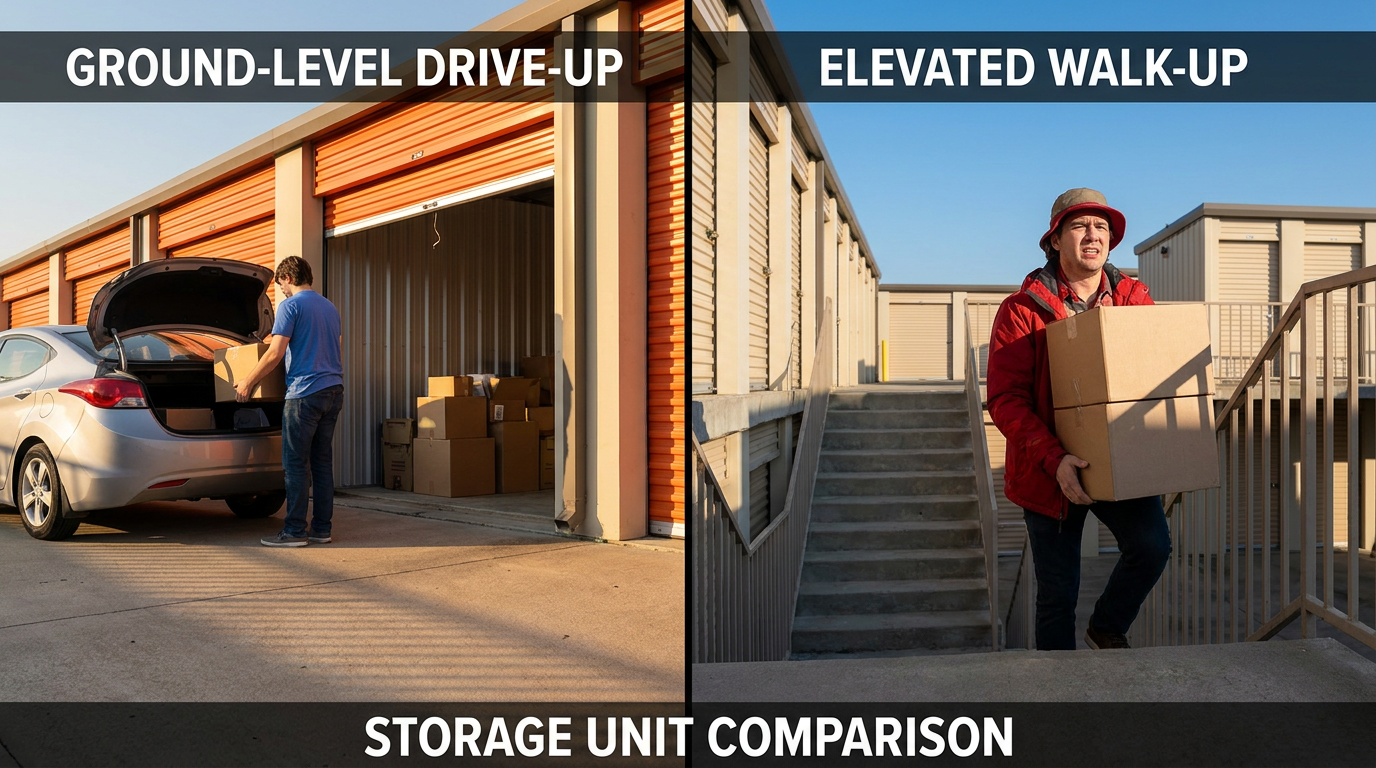
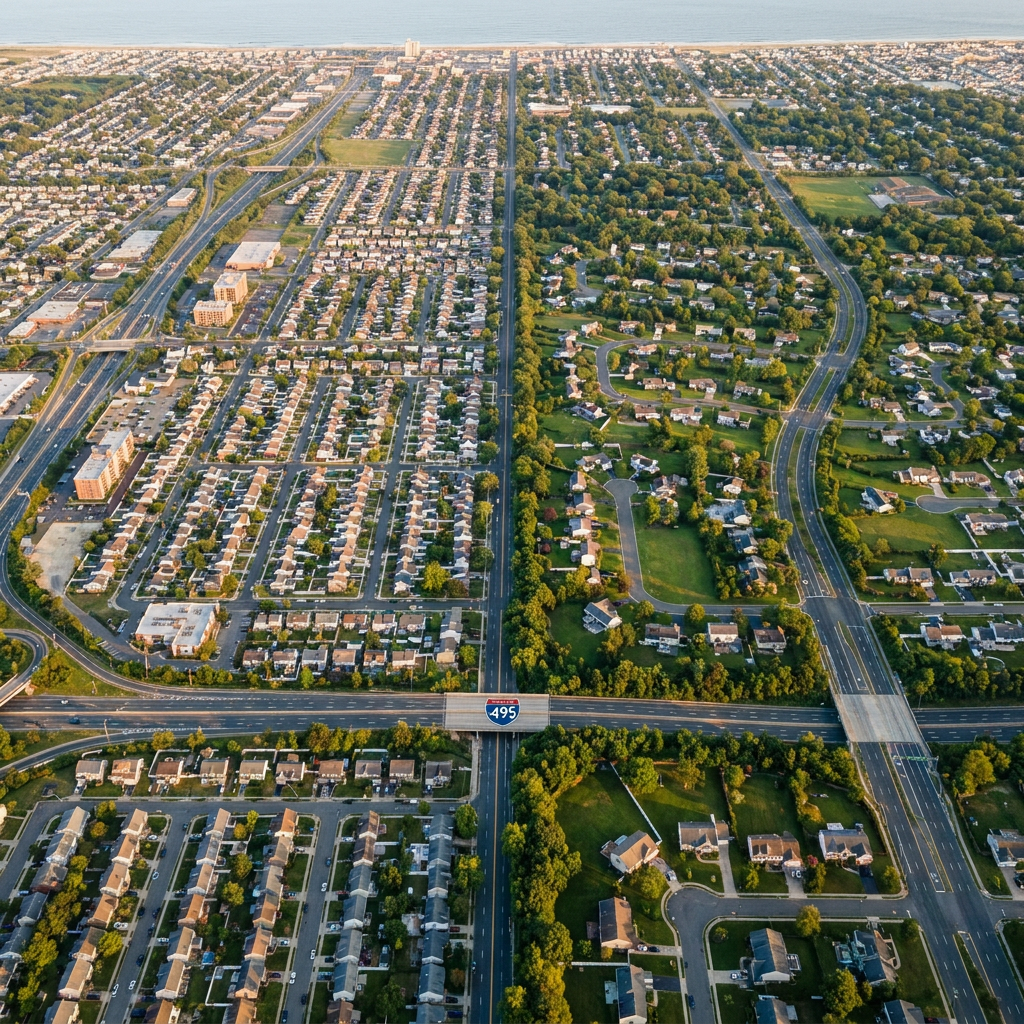
Drive-up units allow you to pull your vehicle directly to the unit door, making loading and unloading significantly easier. Interior hallway units, common in urban facilities, require using elevators, carts, and long walks from parking areas. Drive-up access typically adds $10 to $30 per month to the base price but saves considerable time and effort.
Access hours also affect pricing. Facilities offering 24/7 access charge premium rates compared to those with limited hours. For customers who need evening or weekend access, the convenience often justifies the additional cost. Moriches Storage provides 24/7 access at their fully gated East Moriches facility, allowing tenants to retrieve items on their own schedule.
5. Security Features and Facility Quality
Security infrastructure varies dramatically between facilities. Basic operations may offer only perimeter fencing, while premium facilities include gated access with individual codes, security cameras with recording, motion-activated lighting, on-site management, and individual unit alarms. According to the Self Storage Association, facilities with comprehensive security systems charge 10 to 20 percent more than basic competitors.
Facility condition also matters. Paved driveways, LED lighting, well-maintained buildings, and pest control programs all contribute to higher operating costs that translate to rental prices. These features protect your belongings and provide peace of mind that justifies the premium.
6. Local Supply and Demand
Storage pricing responds to market conditions. When nearby facilities reach high occupancy, prices rise. The U.S. Census Bureau reports that Long Island's population density exceeds 2,800 people per square mile in Nassau County and 1,600 per square mile in Suffolk County, creating consistent demand for storage space.
Seasonal patterns also affect availability. Summer months see increased demand from college students, people moving, and seasonal residents. Popular unit sizes like 5x10 and 10x10 often sell out during peak periods, pushing customers toward larger, more expensive units.
7. Promotional Pricing and Lease Terms
Many facilities offer first-month discounts, sometimes as steep as 50 percent off or even one dollar for the first month. However, these promotions typically require longer commitments or come with rate increases after the promotional period. Month-to-month leases provide flexibility but may not qualify for the deepest discounts.
Some facilities also charge administrative fees, require security deposits, or mandate insurance purchases. These additional costs can add $20 to $50 to your effective monthly rate. Facilities like Moriches Storage that offer no deposit required and month-to-month flexibility provide more predictable total costs.
Regional Price Comparison: Nassau vs. Suffolk vs. Queens
Location dramatically affects what you pay for storage on Long Island. SelfStorage.com's 2026 market analysis shows New York City boroughs averaging 30 to 50 percent higher than suburban Long Island, with significant variation within each region.
| Region | 5x10 Average | 10x10 Average | 10x20 Average | Key Characteristics |
|---|---|---|---|---|
| Nassau County | $175 to $225 | $250 to $340 | $425 to $525 | Highest LI prices, limited supply |
| Western Suffolk | $155 to $200 | $225 to $300 | $375 to $475 | Moderate prices, good availability |
| Eastern Suffolk | $140 to $185 | $200 to $275 | $350 to $425 | Best LI value, more space options |
| Queens | $200 to $275 | $300 to $400 | $500 to $650 | Urban pricing, mostly interior units |
| Brooklyn | $225 to $300 | $325 to $450 | $550 to $700 | Highest NYC prices, limited drive-up |
Nassau County Storage Market
Nassau County represents Long Island's most expensive storage market. Communities like Garden City, Great Neck, Manhasset, and Rockville Centre see the highest rates due to wealthy demographics, limited commercial zoning, and proximity to New York City. Extra Space Storage reports that Nassau County facilities average 18 percent above the Long Island median.
The trade-off for Nassau County customers is convenience. Facilities tend to be closer to residential areas, reducing drive time. However, many Nassau facilities are multi-story buildings with interior hallway access rather than drive-up units, which some customers find less convenient for frequent access.
Suffolk County Storage Market
Suffolk County offers more competitive pricing and greater variety in facility types. Western Suffolk communities like Huntington, Babylon, and Islip fall in the middle range, while eastern areas like Riverhead, Moriches, and the Brookhaven township provide the best value on Long Island.
Eastern Suffolk facilities often feature drive-up access, larger unit options, and outdoor parking for vehicles and boats. The lower land costs and property taxes allow operators to offer competitive rates while maintaining quality facilities. For customers willing to drive 15 to 30 minutes farther east, savings of $50 to $100 per month are common.
Queens and Long Island City
Queens storage facilities, particularly in Long Island City and Astoria, price similarly to Brooklyn due to strong residential demand and limited space. These facilities primarily offer interior hallway units in multi-story buildings. Drive-up access is rare and commands significant premiums when available.
For Long Island residents, Queens facilities rarely make financial sense unless you work in the city and need storage near your workplace. The price premium of 30 to 50 percent over Suffolk County options, combined with urban traffic and parking challenges, typically outweighs any convenience benefit.
Drive-Up Storage vs. Climate-Controlled Storage
Choosing between drive-up and climate-controlled storage depends on what you are storing, how long you plan to store it, and your budget. Each option serves different needs, and understanding the differences helps you avoid paying for features you do not need or risking damage to sensitive items.
Drive-Up Storage Advantages
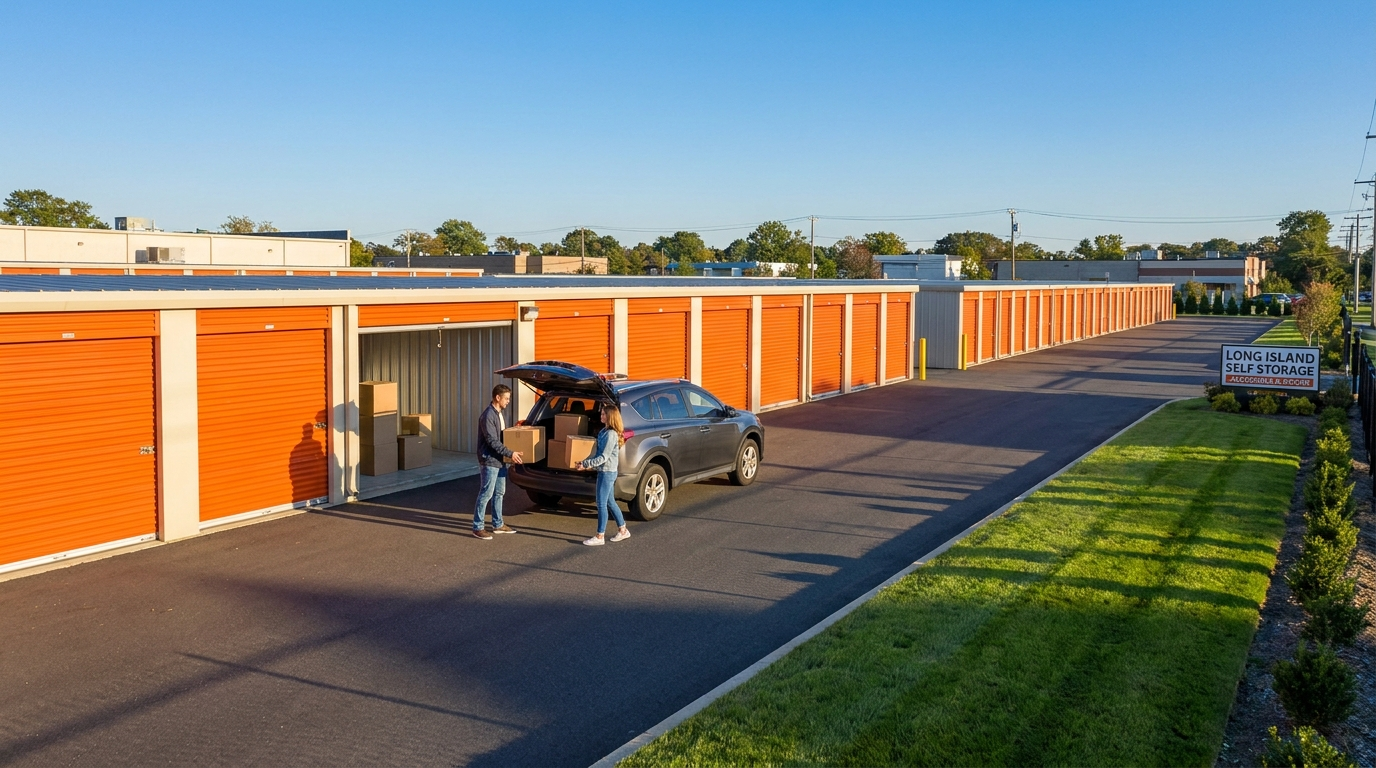
Drive-up units allow direct vehicle access to your unit door, eliminating the need for carts, elevators, or long walks through hallways. This convenience makes loading and unloading faster and easier, particularly for heavy items like furniture, appliances, and boxes. Most drive-up units feature roll-up doors that provide wide openings for large items.
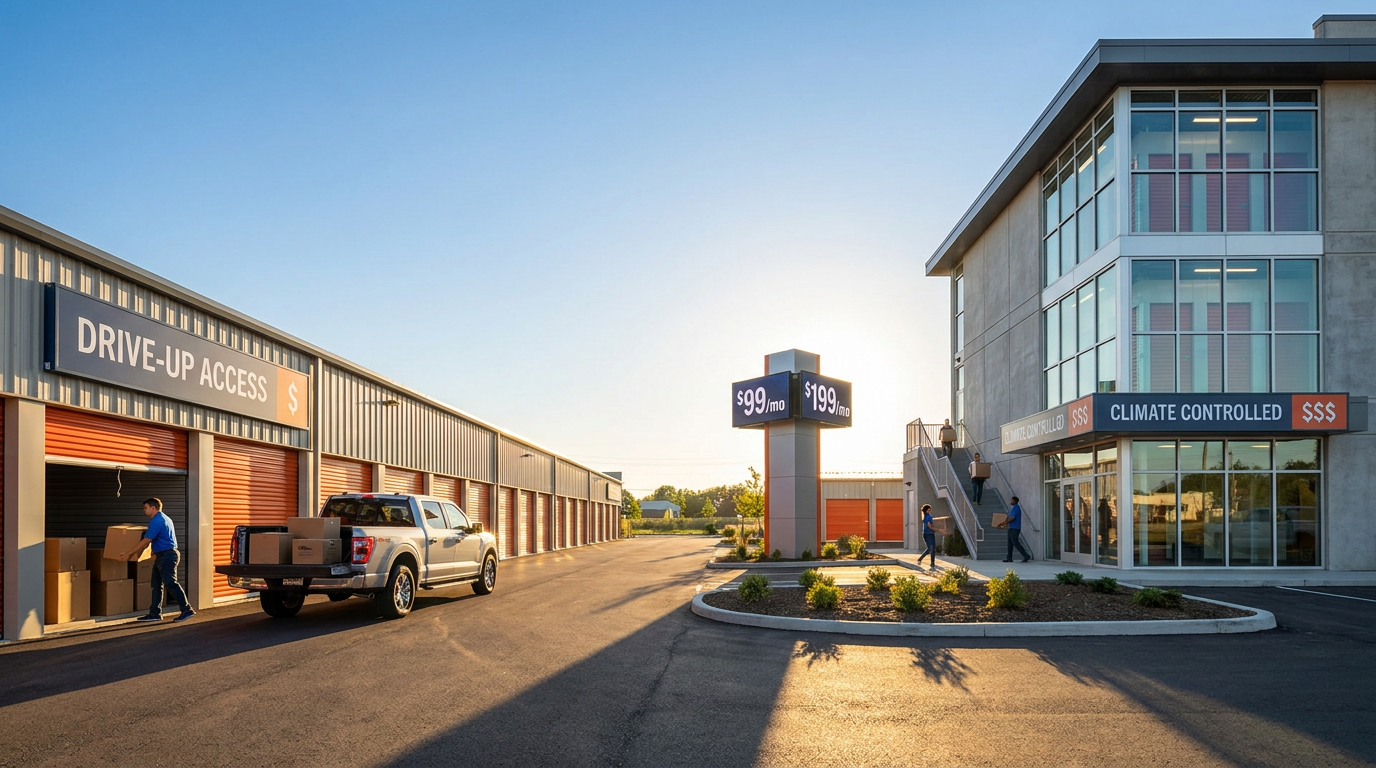
Drive-up storage costs 15 to 25 percent less than climate-controlled units of the same size. For items that tolerate temperature and humidity variations, such as outdoor furniture, tools, sporting equipment, and durable household goods, drive-up units provide excellent value. Moriches Storage offers drive-up units ranging from 4x10 to 10x30 with lights in each unit for added convenience.
Climate-Controlled Storage Advantages
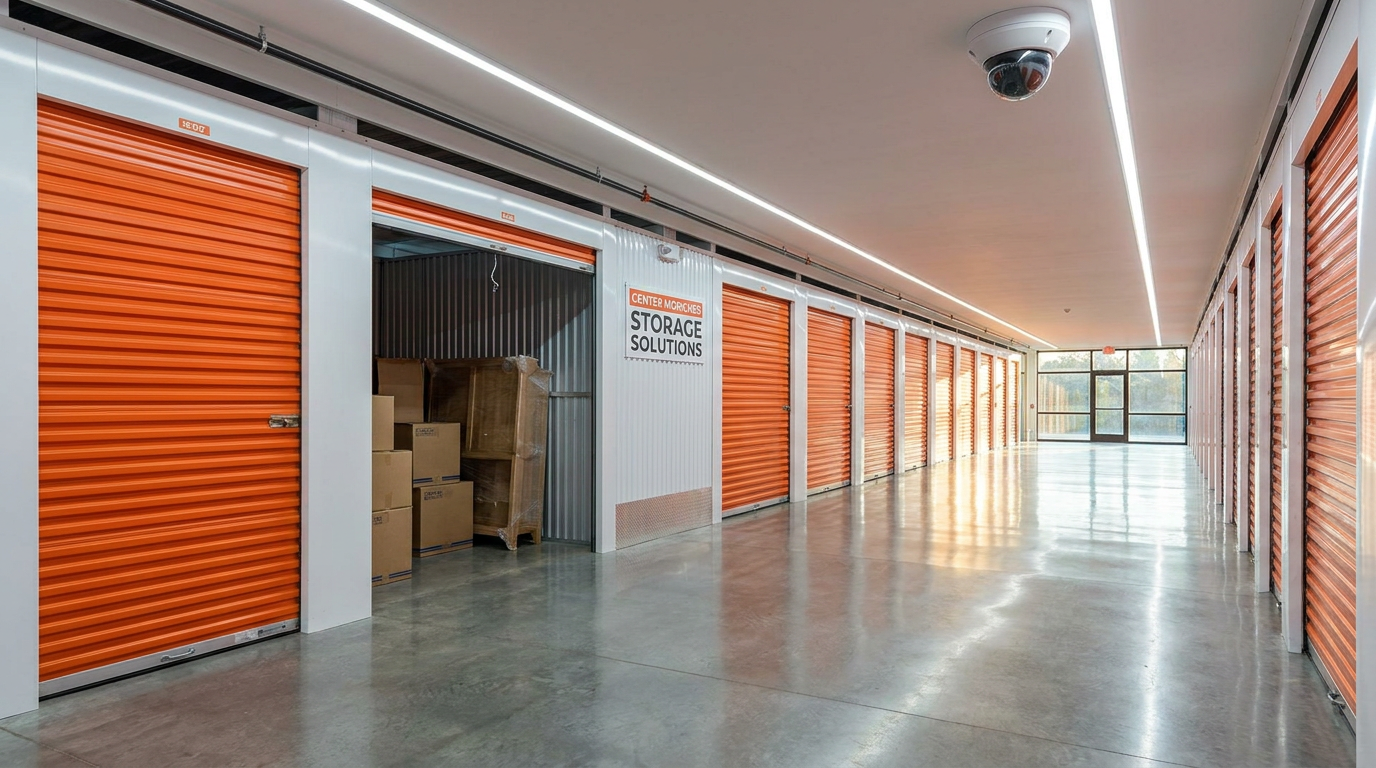
Climate-controlled units maintain consistent temperatures between 55 and 80 degrees Fahrenheit and humidity levels between 30 and 50 percent. This protection prevents warping, cracking, mold growth, rust, and deterioration that can occur in standard units during Long Island's humid summers and freezing winters.
Items that require climate control include wooden furniture, antiques, electronics, computers, musical instruments, artwork, photographs, documents, leather goods, vinyl records, wine, and medical equipment. The American Moving and Storage Association recommends climate control for any items stored longer than three months that have value exceeding $1,000.
| Feature | Drive-Up Storage | Climate-Controlled Storage |
|---|---|---|
| Monthly Cost (10x10) | $200 to $275 | $250 to $350 |
| Temperature Range | Ambient (0 to 100+ degrees F) | 55 to 80 degrees F year-round |
| Humidity Control | None | 30 to 50 percent maintained |
| Vehicle Access | Direct to unit door | Usually interior hallway |
| Best For | Durable goods, frequent access | Sensitive items, long-term storage |
| Availability | Common in suburban facilities | Common in urban facilities |
Boat, RV, and Vehicle Parking Costs on Long Island
Vehicle storage represents a significant market on Long Island, where boat ownership rates exceed the national average and many residents own RVs, trailers, or collector vehicles. The National Marine Manufacturers Association reports that Long Island ranks among the top 20 U.S. markets for registered recreational boats, creating strong demand for seasonal and year-round storage.
Outdoor Parking Options
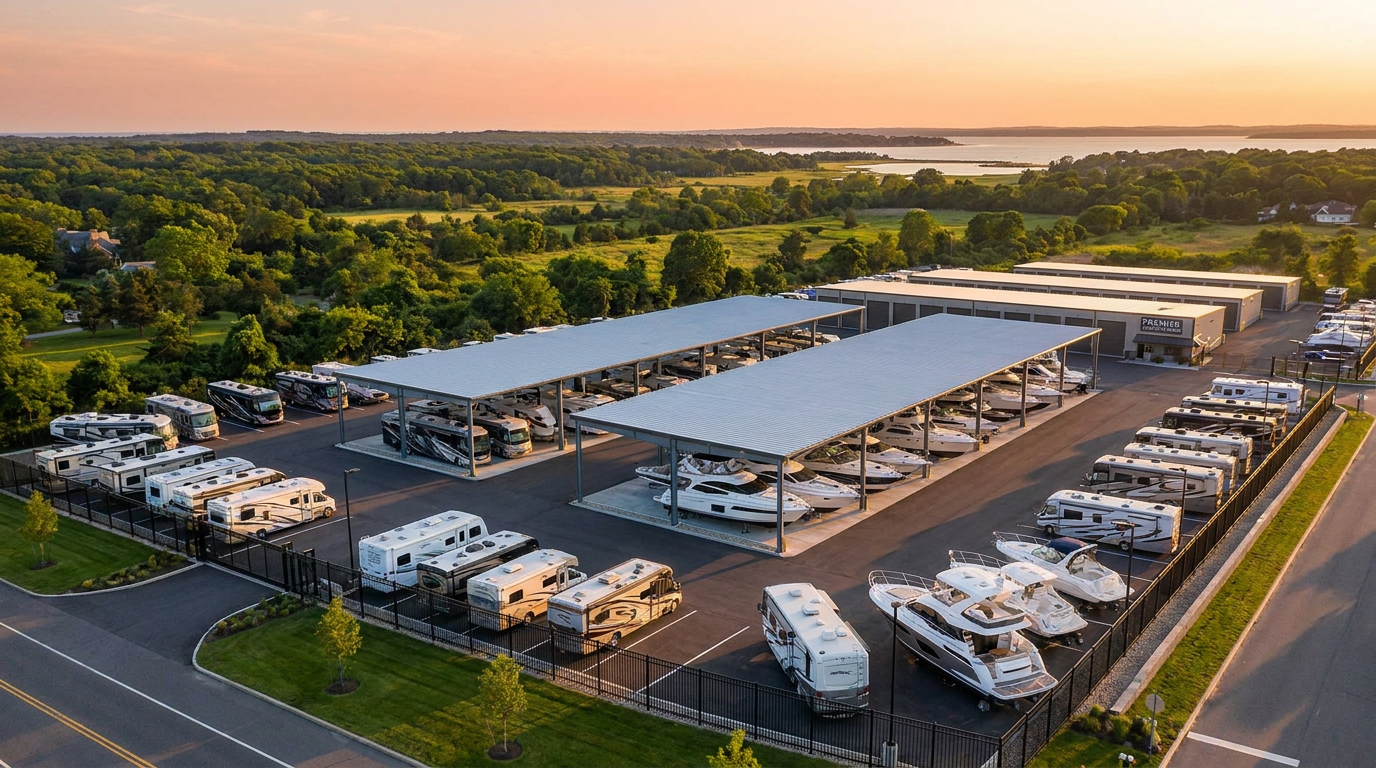
Open-air parking spaces for boats, RVs, trailers, and vehicles typically cost $100 to $200 per month depending on space size and facility amenities. A standard 12x20 parking space accommodates most boats up to 20 feet and single-axle trailers. Larger 12x30 spaces handle RVs up to 28 feet, larger boats, and commercial trailers.
Moriches Storage offers 12x20 open parking at $155 per month and 12x30 spaces at $175 per month, both on paved surfaces with security cameras and gated access. These rates fall below the Long Island average for comparable facilities, particularly those closer to marinas and waterfront areas.
Covered and Enclosed Vehicle Storage
Covered parking with roof protection but open sides typically costs $175 to $275 per month, providing shade and rain protection without full enclosure. Fully enclosed garage-style units for vehicles range from $250 to $450 per month depending on size and features.
For classic cars, collector vehicles, and high-value boats, enclosed climate-controlled storage provides maximum protection but costs $400 to $700 per month. These premium options include temperature control, humidity management, and often enhanced security features.
Seasonal Considerations
Long Island's boating season runs from April through October, creating predictable demand patterns. Winter storage rates sometimes drop 10 to 20 percent from November through March as facilities seek to fill spaces. However, popular facilities often maintain waitlists for desirable spaces regardless of season.
Booking vehicle storage 30 to 60 days before your needed start date helps ensure availability, particularly for summer boat storage or winter RV storage. Many facilities offer discounts for annual commitments versus month-to-month rentals.
Why East Moriches Offers Strong Storage Value
East Moriches and the surrounding South Shore communities provide an attractive balance of competitive pricing, convenient access, and quality facilities. Located along the Sunrise Highway corridor, this area serves customers from Westhampton to Mastic while avoiding the premium pricing of western Long Island.
Location and Accessibility
The Sunrise Highway and Montauk Highway intersection near East Moriches provides easy access from throughout Suffolk County's South Shore. Customers from Center Moriches, Eastport, Speonk, Remsenburg, Manorville, Mastic, Shirley, and Westhampton can reach facilities within 15 to 20 minutes. This central location serves both year-round residents and seasonal Hamptons visitors.
Unlike congested western Long Island, the East Moriches area offers straightforward navigation without the traffic delays common near shopping centers and commercial districts. This accessibility makes frequent storage visits practical and stress-free.
Competitive Pricing
Eastern Suffolk County storage rates run 15 to 25 percent below Nassau County and 10 to 15 percent below western Suffolk. For a 10x10 unit, this translates to savings of $30 to $75 per month, or $360 to $900 annually. Over a typical two-year storage period, customers can save $700 to $1,800 compared to Nassau County options.
Lower real estate costs and property taxes in eastern Suffolk allow facilities to offer competitive rates while maintaining quality infrastructure. Customers receive the same security features, access hours, and unit quality found at higher-priced western locations.
Facility Features
Modern eastern Suffolk facilities match or exceed the amenities found elsewhere on Long Island. Moriches Storage features a fully gated and paved property with LED lighting, security cameras, and electronic access control. Drive-up units include interior lighting, and the facility offers 24/7 access for tenant convenience.
The ability to rent online in 60 seconds and move in immediately eliminates the need for office visits or paperwork delays. Month-to-month leases with no deposit required provide flexibility that many competitors do not match.
How to Get the Best Rate on a Storage Unit
Storage pricing is more negotiable than most customers realize. Facilities have strong incentives to fill units, and informed customers can often secure better rates through timing, comparison shopping, and understanding promotional structures.
Compare Multiple Facilities
Request quotes from at least three facilities before committing. Online aggregators like SpareFoot, SelfStorage.com, and Google Maps provide quick price comparisons, but calling facilities directly often reveals unadvertised specials or price-match opportunities. Many facilities will match or beat competitor pricing to win your business.
Time Your Rental Strategically
Storage demand peaks during summer months when moving activity increases. Renting during fall or winter often yields better rates and greater unit selection. Mid-month rentals sometimes qualify for prorated first-month pricing, reducing your initial outlay.
Ask About Promotions
Most facilities offer first-month discounts ranging from 25 to 75 percent off, and some offer the first month for one dollar. However, read the terms carefully. Some promotions require minimum rental periods, automatic payment enrollment, or come with rate increases after the promotional period ends.
Consider Slightly Larger or Smaller Units
Popular sizes like 5x10 and 10x10 often command premium pricing due to high demand. Less common sizes like 5x8, 8x10, or 10x15 sometimes offer better value per square foot. If your needs fall between standard sizes, the odd-sized unit may provide adequate space at a lower price.
Negotiate Based on Commitment
Facilities value long-term tenants because turnover is expensive. If you anticipate storing items for six months or longer, ask about discounts for prepayment or extended commitments. Some facilities offer 5 to 10 percent discounts for quarterly or annual prepayment.
How to Avoid Storage Unit Price Increases
Storage facilities commonly raise rates on existing tenants, sometimes significantly. Understanding how and why increases occur helps you protect against unexpected cost jumps.
Understand Rate Increase Policies
Most facilities reserve the right to increase rates with 30 days notice, typically after an initial period of 3 to 6 months. Some facilities are more aggressive than others, with annual increases ranging from 5 to 15 percent. Ask about rate increase history and policies before signing.
Choose Facilities with Transparent Pricing
Locally owned facilities often maintain more stable pricing than national chains, which use algorithmic pricing that adjusts rates based on occupancy and demand. Facilities that emphasize straightforward, no-surprise pricing tend to treat existing customers more fairly.
Maintain Good Standing
Facilities sometimes target rate increases at customers they would prefer to lose, such as those with payment issues or complaints. Maintaining on-time payments and following facility rules reduces your likelihood of receiving above-average increases.
Be Willing to Move
The most effective protection against rate increases is willingness to relocate your belongings. If your facility announces a significant increase, request a rate match or reduction. If denied, moving to a competitor often costs less than accepting repeated increases over time.
Frequently Asked Questions About Long Island Storage Costs
How much is a storage unit per month on Long Island?
Storage units on Long Island range from $90 to $595 per month depending on size and location. Small 5x5 units start at $90 to $135 monthly, mid-size 10x10 units run $200 to $340, and large 10x20 units cost $350 to $525. Suffolk County facilities typically charge 15 to 25 percent less than Nassau County locations.
Can you haggle storage unit prices or are they typically set?
Storage prices are negotiable at most facilities. Managers have authority to offer discounts, match competitor pricing, or waive fees to secure rentals. Asking about unadvertised specials, mentioning competitor quotes, or committing to longer rental periods often yields 5 to 15 percent savings. The best negotiating leverage comes from comparing multiple facilities and being willing to walk away.
How to get the best rate on a storage unit?
Compare quotes from at least three facilities, rent during off-peak months like fall or winter, ask about first-month promotions, consider non-standard unit sizes, and negotiate based on rental commitment length. Prepaying for multiple months or enrolling in autopay sometimes qualifies for additional discounts of 5 to 10 percent.
How to avoid storage unit price increases?
Choose locally owned facilities with transparent pricing policies, maintain excellent payment history, ask about rate increase policies before signing, and be willing to relocate if increases become unreasonable. Some facilities offer rate-lock guarantees for the first 6 to 12 months, providing short-term protection against increases.
Is climate-controlled storage worth the extra cost?
Climate control is worth the 15 to 25 percent premium for temperature-sensitive items stored longer than three months. Electronics, wooden furniture, artwork, documents, leather goods, and musical instruments benefit from consistent 55 to 80 degree temperatures and 30 to 50 percent humidity. Durable items like outdoor furniture, tools, and sporting equipment do not require climate control.
What size storage unit do I need for a house?
A one-bedroom apartment typically fits in a 5x10 unit. A two-bedroom home requires a 10x10 to 10x15 unit. A three to four-bedroom house needs a 10x15 to 10x20 unit. A five-bedroom home or larger requires 10x20 to 10x30 units. These estimates assume standard furniture and belongings; heavy collectors or those with large furniture may need one size larger. Consult a storage unit size guide for detailed recommendations.
Should I get storage insurance?
Storage insurance or tenant protection plans provide coverage against theft, fire, water damage, and other covered perils. Most homeowners and renters insurance policies extend some coverage to stored items, but limits and deductibles vary. Dedicated tenant protection plans typically cost $10 to $30 per month and provide $2,000 to $10,000 in coverage with low deductibles.
How far in advance should I book a storage unit?
Booking one to two weeks ahead ensures availability for most unit sizes. During peak summer months, popular sizes like 5x10 and 10x10 may require three to four weeks advance notice. Vehicle and boat storage spaces often have waitlists and should be reserved 30 to 60 days ahead, particularly for summer seasonal storage.
|