Beginner's Guide to Renting Your First Storage Unit in 2026 |
| BEGINNER'S GUIDE TO RENTING YOUR FIRST STORAGE UNIT
⏱ 16 min read ·
📄 #3,084 words
Learn how to rent your first storage unit with this step-by-step guide covering sizes, costs, security features, and what documents you need to get started.
|
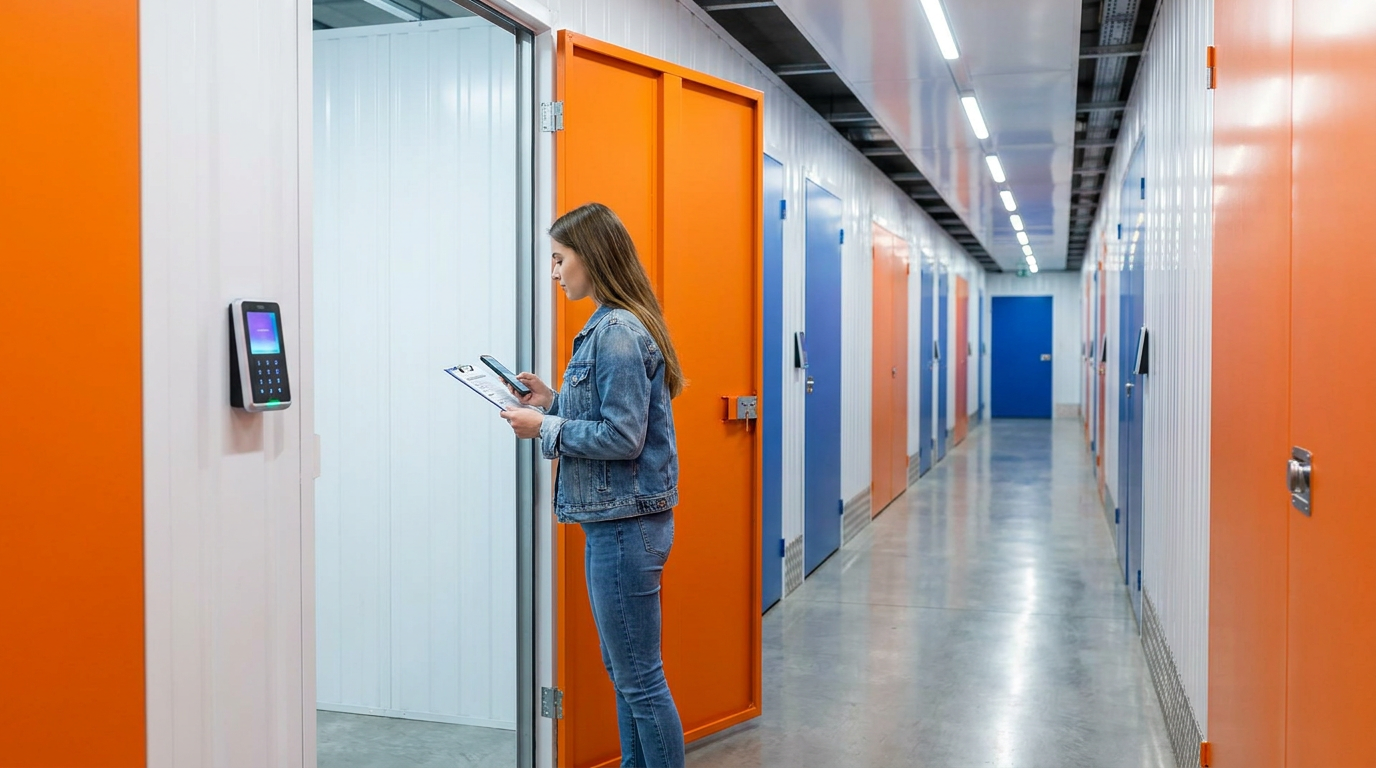
R enting a storage unit requires choosing the right size (typically 5x5 to 10x30 feet), comparing facility security features, and bringing a valid photo ID to complete the rental agreement. Most facilities charge $50 to $300 monthly depending on unit size and location, with month-to-month leases offering the most flexibility for first-time renters.
| Key Points: | |
|---|---|
| • | Storage units range from 25 to 300 square feet, with 5x10 units fitting a one-bedroom apartment's contents |
| • | You need a government-issued photo ID and payment method to rent; no deposit required at many facilities |
| • | Month-to-month leases cost 5 to 15 percent more than long-term contracts but offer cancellation flexibility |
| • | Security features to verify: gated access, security cameras, individual unit alarms, and adequate lighting |
| • | Online rental takes under 60 seconds at modern facilities with instant move-in access |
What Size Storage Unit Do You Actually Need?
Choosing the wrong size is the most common mistake first-time renters make. According to the Self Storage Association, approximately 65 percent of renters either overestimate or underestimate their space requirements. The result is paying for unused space or cramming items into a unit that cannot accommodate everything safely.
Storage units follow standard sizing conventions across the industry. A 5x5 unit (25 square feet) holds roughly 10 to 15 boxes plus small furniture items like end tables. A 10x10 unit (100 square feet) accommodates a one to two bedroom apartment's furnishings. The largest common size, 10x30 (300 square feet), stores a three to four bedroom house or serves as workspace for contractors and small businesses.
Before visiting a facility, inventory your items and measure large pieces like sofas, mattresses, and appliances. Most storage facilities, including Moriches Storage's size guide, provide visual references showing exactly what fits in each unit dimension.
| Unit Size | Square Feet | Best For | Typical Monthly Cost |
|---|---|---|---|
| 5x5 | 25 sq ft | Boxes, seasonal items, small furniture | $50 to $150 |
| 5x10 | 50 sq ft | Studio or small one-bedroom contents | $75 to $200 |
| 10x10 | 100 sq ft | One to two bedroom apartment | $100 to $300 |
| 10x15 | 150 sq ft | Two to three bedroom house | $150 to $350 |
| 10x20 | 200 sq ft | Three to four bedroom house, vehicles | $200 to $450 |
| 10x30 | 300 sq ft | Large homes, business inventory, multiple vehicles | $300 to $600 |
Documents and Information Required to Rent
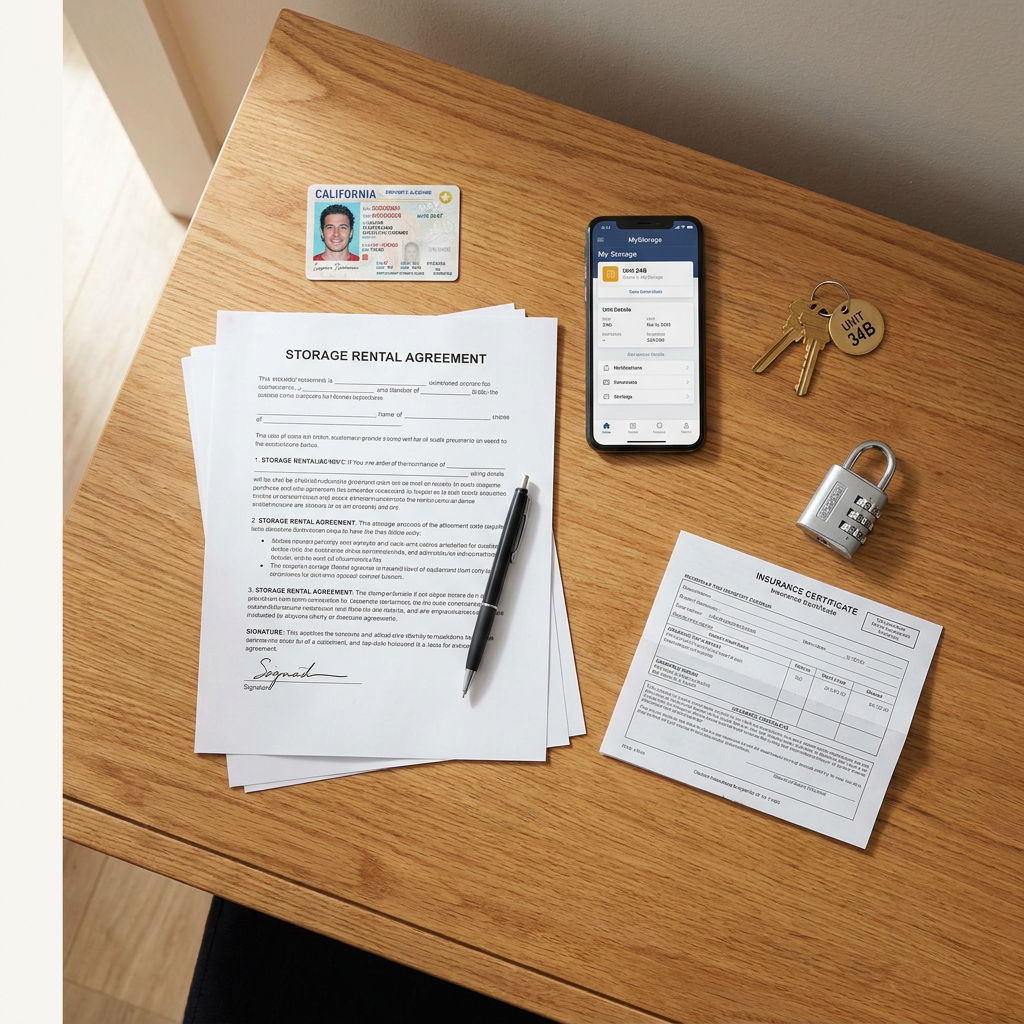
The rental process requires minimal documentation, but arriving unprepared causes delays. Every storage facility requires a government-issued photo ID such as a driver's license, state ID, or passport. According to Moving.com's first-timer guide, facilities verify your identity to protect against fraud and ensure accountability for the unit's contents.
Beyond identification, you need a valid payment method. Most facilities accept credit cards, debit cards, and ACH bank transfers. Some locations still accept checks or cash, though this is becoming less common. Setting up autopay during the rental process prevents late fees, which typically range from $20 to $50 per occurrence.
You will also need to provide current contact information including a phone number and email address. Many facilities, including those using modern management software from companies like Storable or SiteLink, send automated payment reminders and access notifications via text message.
What the Rental Agreement Covers
The rental agreement outlines your rights and responsibilities as a tenant. Key sections include the monthly rate, payment due date, late fee structure, and facility access hours. Review the lien law disclosure carefully; this section explains what happens if you stop paying rent. In New York State, facilities must wait at least 30 days after default before initiating the lien process.
The agreement also specifies prohibited items. Standard exclusions include hazardous materials, perishable food, live animals, and illegal goods. Some facilities restrict tire storage due to fire codes. If you have questions about specific items, contact the facility before signing. The team at Moriches Storage is available 7 days a week by phone, text, or email to answer questions.
Understanding Storage Unit Costs and Pricing
Storage pricing varies based on four primary factors: unit size, location, amenities, and lease terms. According to data from SpareFoot and StorageCafe, the national average for a 10x10 non-climate-controlled unit is $132 per month as of early 2026. However, prices in the Northeast, including Long Island, New York, typically run 15 to 25 percent higher than national averages due to real estate costs.
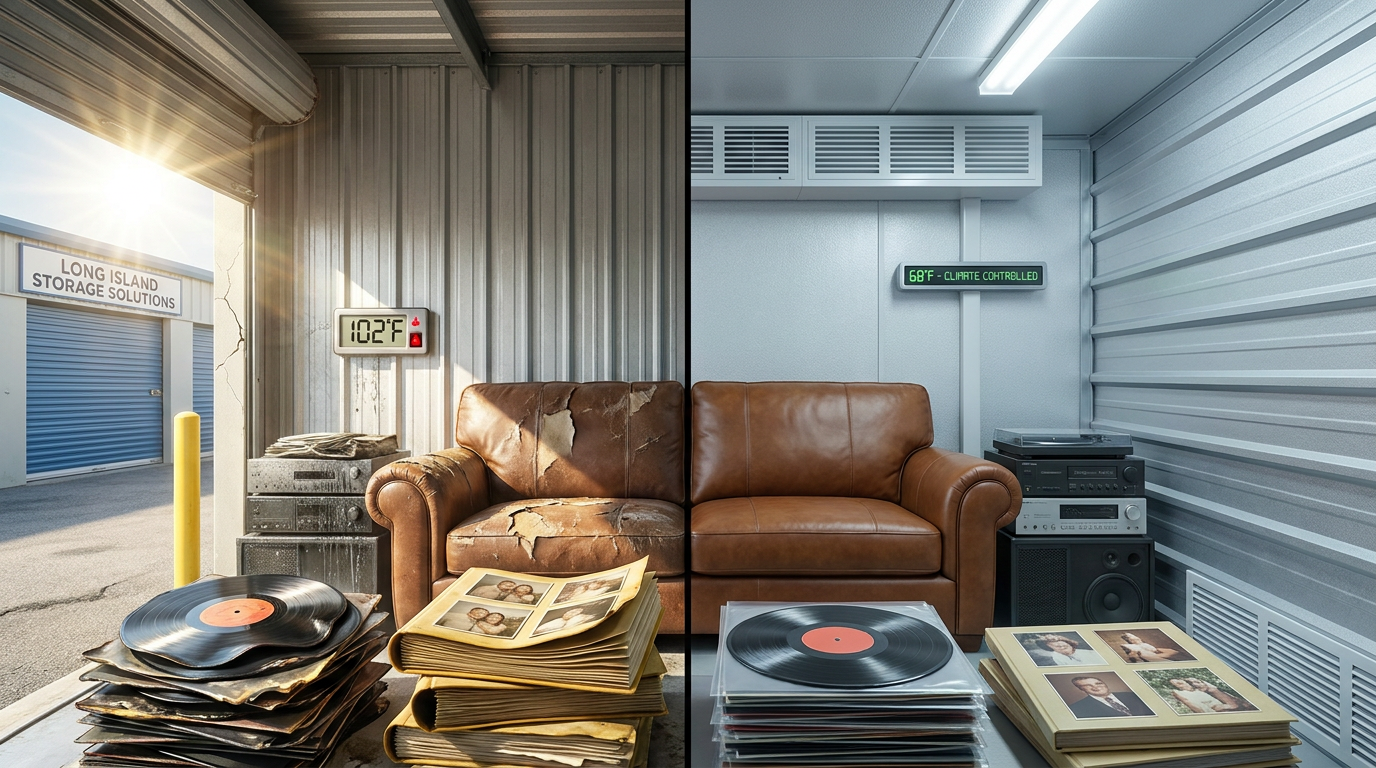
Climate-controlled units cost 20 to 50 percent more than standard units. This premium protects temperature-sensitive items from damage caused by humidity and extreme temperatures. If you are storing electronics, wooden furniture, photographs, or documents for more than three months, climate control is worth the additional investment.
Watch for move-in specials that can significantly reduce your first month's cost. Common promotions include the first month free, 50 percent off the first two months, or waived administrative fees. However, read the terms carefully; some specials require a minimum rental period or exclude certain unit sizes.
Month-to-Month vs. Long-Term Leases
Month-to-month leases provide maximum flexibility with no long-term commitment. You can vacate with proper notice (typically 10 to 30 days depending on the facility) without penalty. This arrangement works well for temporary storage during moves, home renovations, or seasonal needs.
Long-term contracts, usually 6 to 12 months, sometimes offer lower monthly rates. However, breaking the lease early may trigger fees equal to one or two months' rent. For most first-time renters, month-to-month agreements make more sense until you understand your actual storage timeline. Facilities like Moriches Storage offer month-to-month rentals with no deposit required, eliminating upfront financial barriers.
Security Features Every First-Time Renter Should Verify
Security is not negotiable when choosing a storage facility. The Move.org storage guide reports that facilities with comprehensive security systems experience 73 percent fewer break-ins than those with minimal protection. Before signing a rental agreement, verify these essential features in person.
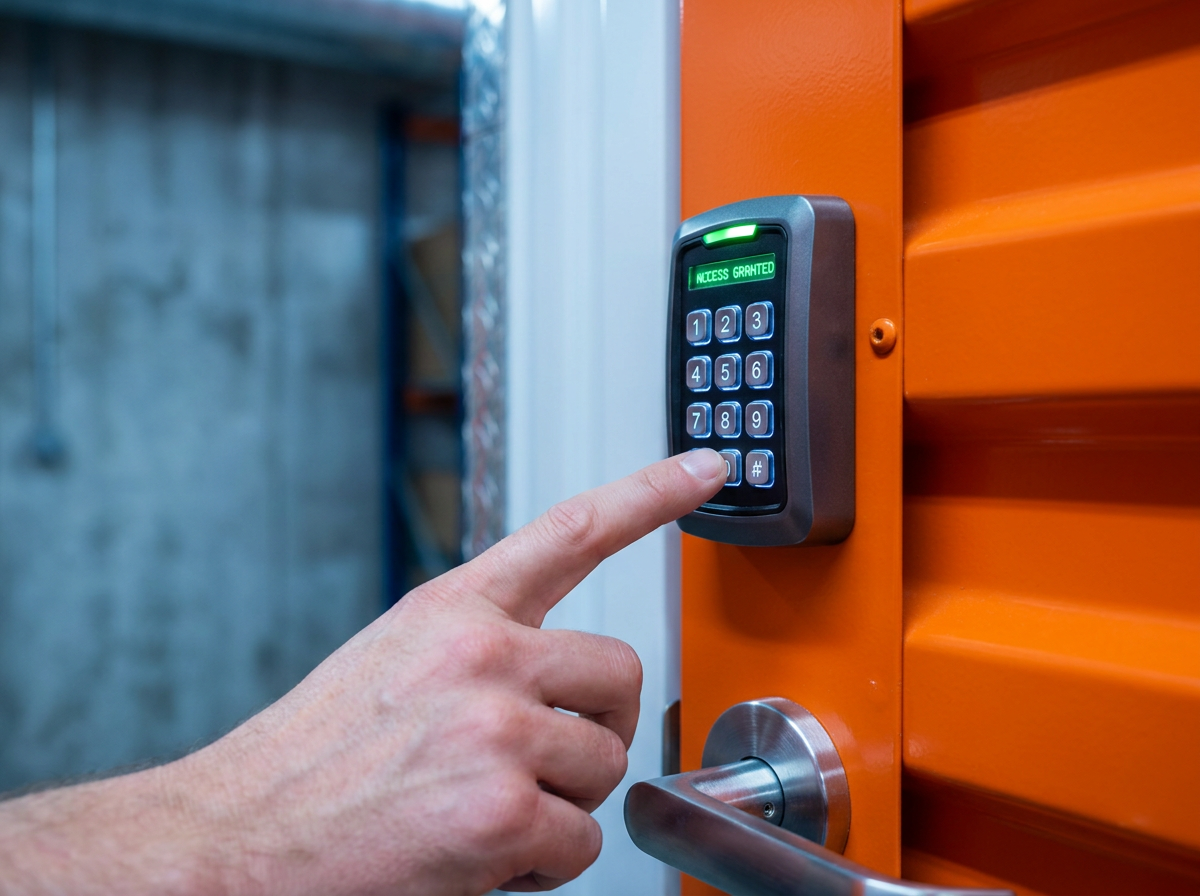
Perimeter security forms the first line of defense. Look for fully fenced properties with controlled access gates requiring unique PIN codes or key fobs. The best facilities limit gate access to current tenants only and log all entry and exit times. This creates an audit trail if any issues arise.
Video surveillance should cover all common areas, driveways, and individual unit rows. Modern systems use high-definition cameras with night vision capabilities and retain footage for at least 30 days. Ask the facility manager where cameras are positioned and whether the system records continuously or only on motion detection.
Lighting and On-Site Management
Adequate lighting deters criminal activity and makes loading and unloading safer. LED lighting has become the industry standard due to its brightness and energy efficiency. Walk the property after dark if possible to assess visibility in all areas, including corners and spaces between buildings.
On-site management provides an additional security layer. Staffed facilities can respond immediately to suspicious activity and assist tenants with access issues. However, many modern facilities operate successfully with remote management, using video monitoring and responsive customer service teams available by phone.
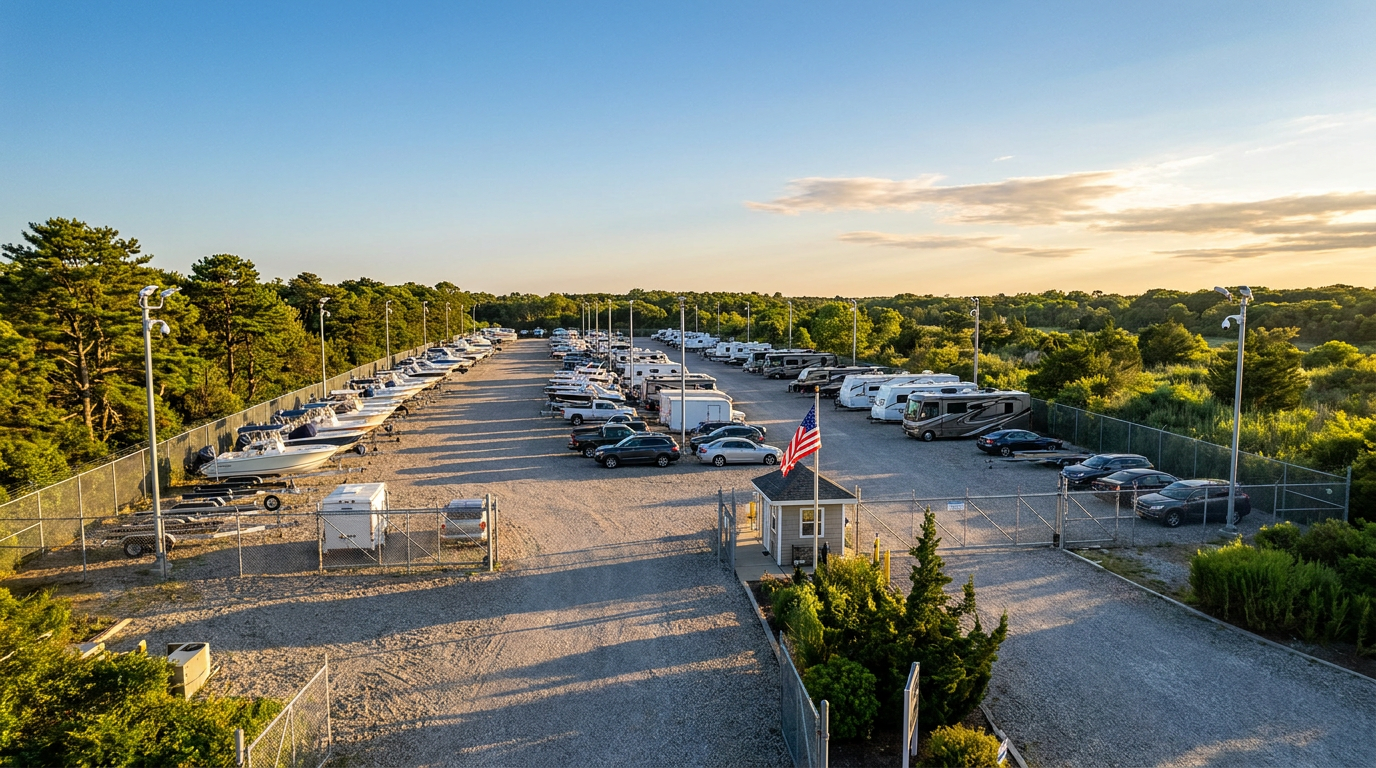
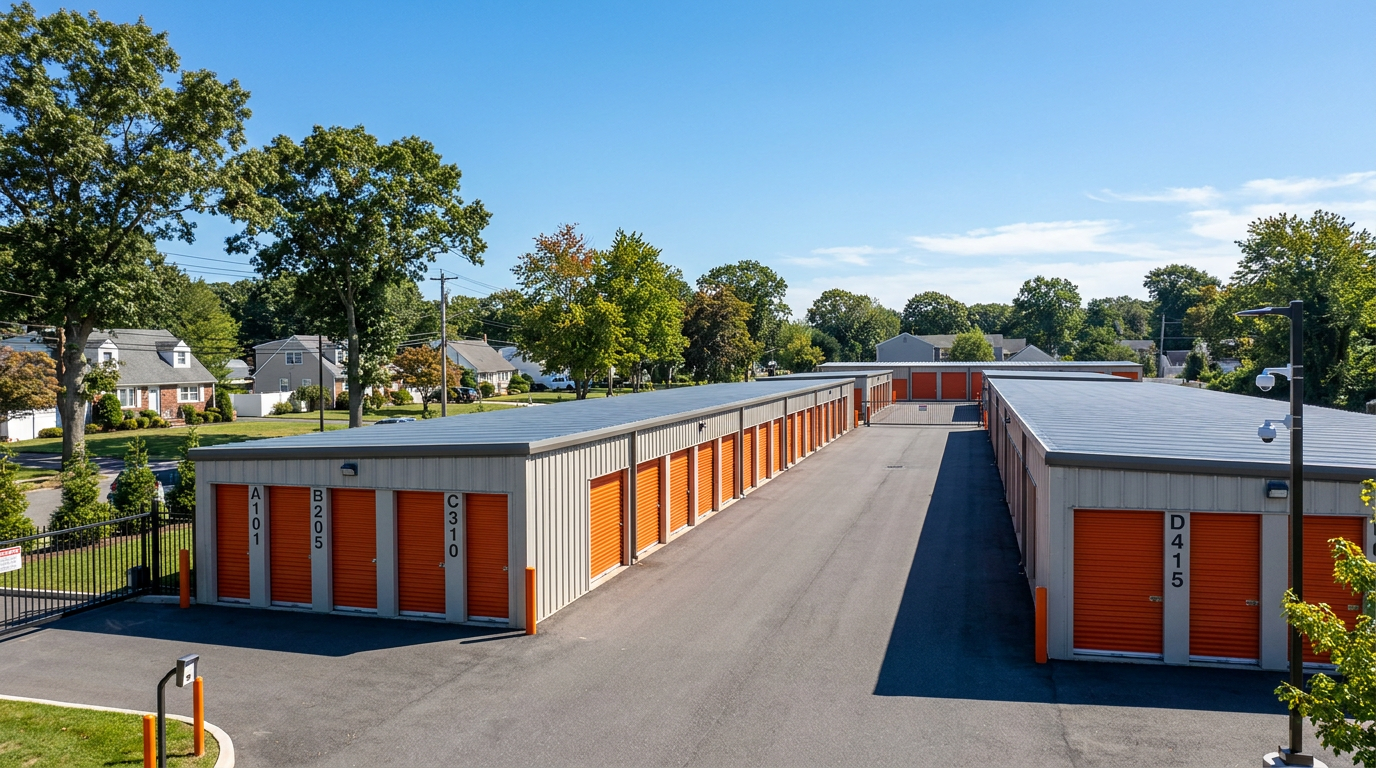
For Long Island residents, Moriches Storage's fully gated facility features LED lighting throughout, security cameras, and electronic access control. The paved property provides safe vehicle access for loading and unloading at any hour.
Drive-Up vs. Interior Units: Which Is Right for You?
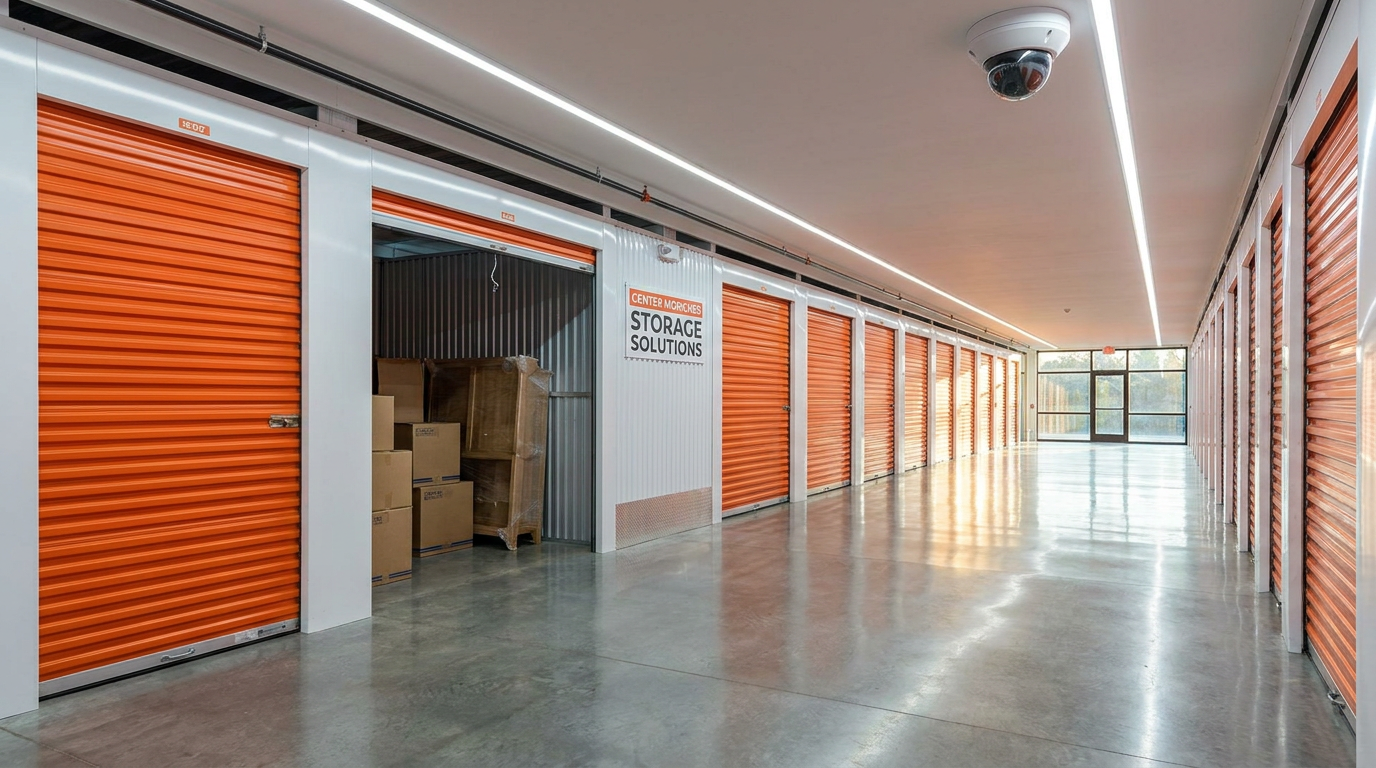
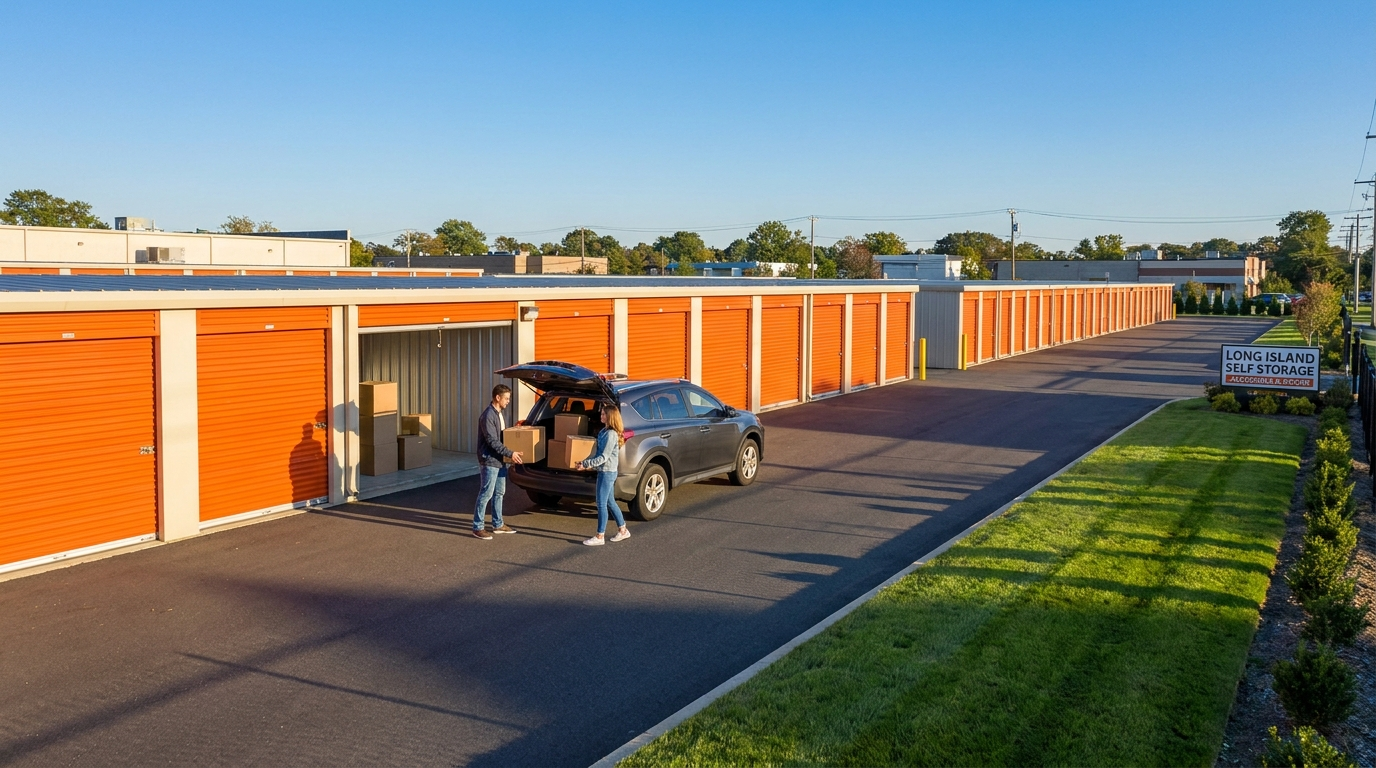
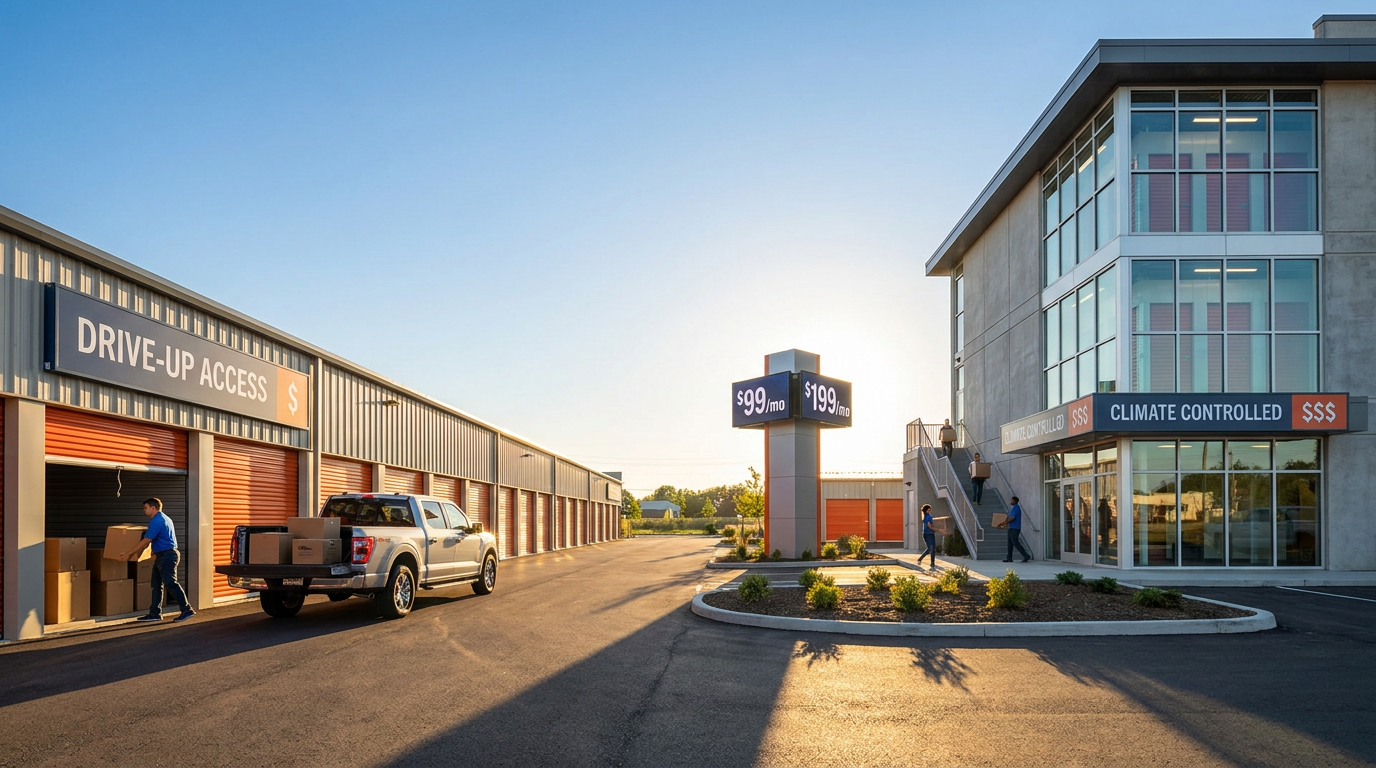
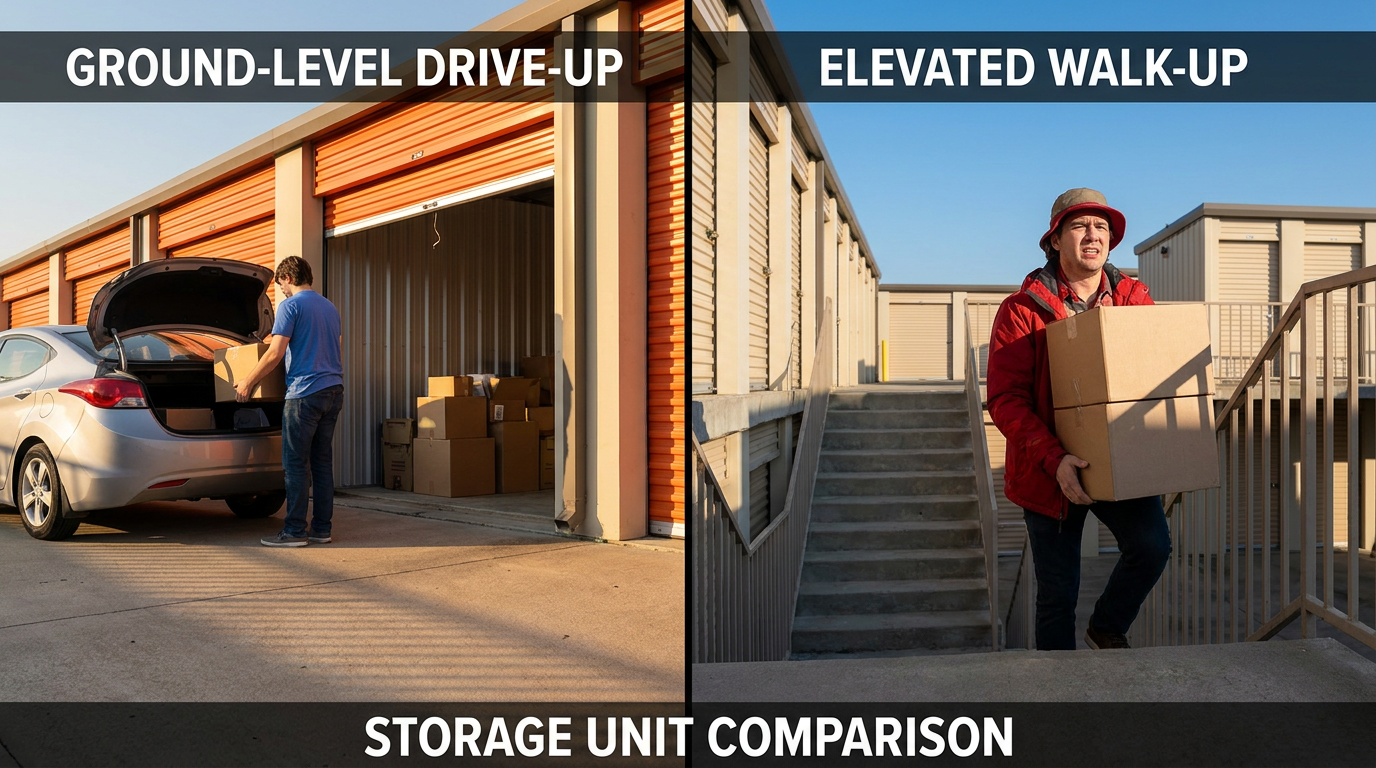
Storage unit access types significantly impact convenience and pricing. Drive-up units allow you to park your vehicle directly in front of your unit door, similar to a garage. Interior units are located inside a building, requiring you to navigate hallways and potentially use elevators or loading docks.
Drive-up units offer faster loading and unloading, especially for heavy or bulky items. You can back a truck or trailer directly to the door, minimizing carrying distance. This access type works best for furniture, appliances, business inventory, and items you need to access frequently.
Interior units typically cost 10 to 20 percent less than comparable drive-up units. They also provide better protection from weather since the unit door is not exposed to rain, snow, or direct sunlight. If you are storing boxes, documents, or items you will access infrequently, interior units offer good value.
| Feature | Drive-Up Units | Interior Units |
|---|---|---|
| Loading convenience | Excellent; vehicle parks at door | Moderate; requires carts or dollies |
| Weather protection | Door exposed to elements | Fully protected indoors |
| Typical cost | 10 to 20 percent higher | Lower base price |
| Best for | Furniture, appliances, frequent access | Boxes, documents, infrequent access |
| Climate control availability | Less common | More common |
How to Rent a Storage Unit Online in Under 60 Seconds
Modern storage facilities have streamlined the rental process through online platforms. Companies like Storable, SiteLink, and tenant interface systems from major operators including Public Storage and Extra Space Storage enable renters to complete the entire process from their smartphone or computer.
The online rental process typically follows five steps. First, browse available units and compare sizes and prices. Second, select your preferred unit and move-in date. Third, create an account with your contact information. Fourth, upload or enter your ID details and payment information. Fifth, sign the rental agreement electronically using DocuSign or a similar platform.
After completing the online rental, you receive your access code or digital key immediately. Many facilities allow same-day move-in, meaning you can reserve a unit in the morning and begin storing items that afternoon. Visit our frequently asked questions page for details on the online rental and move-in process.
What Happens After You Rent
Once your rental is confirmed, the facility sends a welcome email with important information. This typically includes your unit number, access code, facility hours, and payment schedule. Save this email for reference; you will need the access code every time you visit.
Most facilities also provide instructions for setting up online account management. Through your account portal, you can update payment methods, view invoices, set up autopay, and submit move-out notices. Some platforms even allow you to purchase locks, boxes, and packing supplies for delivery to the facility.
Do You Need Storage Unit Insurance?
Your belongings in storage are not automatically insured. The facility's insurance covers the building and common areas, not your personal property inside your unit. According to Extra Space Storage's tips for first-time renters, many people incorrectly assume their items are protected without purchasing additional coverage.
You have two primary insurance options. First, check your existing homeowners or renters insurance policy. Many policies extend coverage to items in storage, though limits and deductibles vary. Contact your insurance provider to confirm coverage amounts and any exclusions for stored property.
Second, consider a tenant protection plan offered by the storage facility. These plans typically cost $10 to $30 per month and provide $2,000 to $10,000 in coverage. Plans from providers like SafeLease, Bader Company, and Storage Protectors cover common perils including fire, theft, water damage, and vandalism.
Learn more about coverage options and exclusions on our tenant protection page, which explains what is and is not covered under typical storage insurance plans.
Items You Cannot Store in a Storage Unit
Storage facilities maintain strict prohibited items lists for safety, legal, and insurance reasons. Violating these rules can result in immediate lease termination and potential legal consequences. Review the complete list in your rental agreement, but expect these categories to be universally banned.
Hazardous materials top every prohibited list. This includes gasoline, propane, paint thinner, pesticides, fertilizers, and cleaning chemicals. Flammable liquids pose fire risks that endanger the entire facility. Even small quantities of these materials can void your insurance coverage and create liability for damages.
Perishable food items attract pests that can spread to neighboring units. Live animals are prohibited for obvious ethical and practical reasons. Illegal items, including stolen property and controlled substances, are grounds for immediate eviction and law enforcement involvement.
Commonly Overlooked Prohibited Items
Some prohibited items surprise first-time renters. Firearms and ammunition may be restricted depending on state laws and facility policies. Tires are banned at many facilities due to fire codes; burning tires produce toxic smoke that is extremely difficult to extinguish.
Wet items, including damp furniture or clothing, can cause mold growth that spreads throughout the unit and potentially to adjacent spaces. Ensure all items are completely dry before storing. Plants are typically prohibited because they require ventilation and light that storage units do not provide.
Packing and Organizing Your Storage Unit
Proper packing protects your belongings and maximizes usable space. Industry research from the Self Storage Association indicates that well-organized units use 20 to 30 percent less space than haphazardly packed units. This efficiency can allow you to rent a smaller, less expensive unit.
Use uniform box sizes when possible. Standard moving boxes (medium: 18x18x16 inches) stack securely and efficiently. Avoid using garbage bags for storage; they provide no protection, attract pests, and collapse under weight. Wardrobe boxes keep hanging clothes protected and wrinkle-free.
Wrap furniture in moving blankets or plastic wrap to prevent scratches and dust accumulation. Disassemble bed frames, tables, and shelving units to save space. Keep hardware in labeled bags taped to the corresponding furniture piece so reassembly is straightforward.
Strategic Unit Layout
Create an aisle down the center of your unit for access to items in the back. Place items you need frequently near the front. Store heavy items on the bottom and lighter boxes on top to prevent crushing and make retrieval easier.
Use vertical space by stacking sturdy boxes to the ceiling. Place a sheet of plywood between stacks to distribute weight and create stable platforms. Utilize the space inside large items; fill dresser drawers, appliances, and hollow furniture with smaller items or linens.
Create an inventory list and tape a copy inside the unit door. This reference helps you locate specific items without unpacking everything. Some renters photograph their packed unit from multiple angles for insurance documentation and memory reference.
Access Hours: What 24/7 Access Really Means
Facility access hours vary significantly and impact how you can use your storage unit. Standard business hours access (typically 6 AM to 9 PM) works for most renters but limits flexibility for those with non-traditional schedules. Extended hours (5 AM to 11 PM) accommodate early risers and night owls.
True 24/7 access means you can enter the facility at any time, day or night, 365 days per year. This unrestricted access is valuable for business users, contractors who need early morning equipment access, and anyone with unpredictable schedules. Some facilities charge a premium for 24/7 access; others include it standard.
Verify what "24/7 access" means at your chosen facility. Some locations restrict overnight access to the gate and driveways while locking interior building doors after certain hours. Others provide complete access to all areas at all times. Moriches Storage offers genuine 24/7 access to all drive-up units, allowing tenants to visit whenever their schedule demands.
Questions to Ask Before Signing a Rental Agreement
Asking the right questions prevents surprises and ensures the facility meets your needs. The Storage Star guide on pre-rental questions recommends addressing pricing, policies, and practical concerns before committing.
Start with pricing transparency. Ask about the total monthly cost including any fees, whether rates can increase during your rental period, and what payment methods are accepted. Inquire about late fees and grace periods. Some facilities charge $20 on day one past due; others offer a 5 to 10 day grace period.
Understand the move-out process. How much notice is required? Is the notice period based on your billing cycle or calendar days? Are there any move-out fees or cleaning requirements? Can you move out mid-month and receive a prorated refund?
Additional Questions Worth Asking
Ask about the facility's pest control practices. Professional facilities conduct regular treatments and maintain clean common areas. Inquire about their response if pests are discovered in your unit.
Understand the facility's policy on locks. Most facilities require you to provide your own lock, which ensures only you have access. Some sell locks on-site for $10 to $25. Avoid facilities that use master keys or require you to use their locks, as this creates security vulnerabilities.
Finally, ask about the facility's history with break-ins or damage claims. Reputable facilities will answer honestly. A facility that has never had an incident either has exceptional security or is not being forthcoming.
Common First-Time Renter Mistakes to Avoid
Learning from others' mistakes saves time, money, and frustration. These errors appear consistently among first-time storage renters and are entirely preventable with proper planning.
Renting too large a unit wastes money every month. Conversely, renting too small forces you to cram items unsafely or upgrade to a larger unit, potentially losing any move-in specials. Take time to accurately assess your needs using a storage unit size guide before committing.
Failing to purchase insurance leaves you financially vulnerable. Even if your homeowners policy provides some coverage, verify the limits and deductibles. A $10 monthly protection plan is inexpensive peace of mind compared to replacing thousands of dollars in belongings.
Operational Mistakes
Forgetting to set up autopay results in late fees and potential lien proceedings. Most facilities initiate the lien process after 30 to 60 days of non-payment, which can result in your belongings being auctioned. Autopay eliminates this risk entirely.
Storing items without proper preparation causes damage. Wooden furniture needs protection from humidity. Electronics require climate control in extreme temperatures. Fabric items should be clean and dry to prevent mold and mildew.
Not visiting the facility before renting is a significant oversight. Online photos may not reflect current conditions. Visit in person to assess cleanliness, security features, and ease of access. If the office is disorganized or the grounds are poorly maintained, expect similar attention to your unit.
Getting Started with Your First Storage Unit
Renting your first storage unit becomes straightforward once you understand the process. Start by assessing your storage needs and calculating the appropriate unit size. Research facilities in your area, comparing security features, access hours, and pricing. Visit your top choices in person before making a decision.
Gather your identification and payment information before beginning the rental process. Read the rental agreement carefully, paying attention to pricing, fees, and prohibited items. Set up autopay immediately to avoid late fees, and consider purchasing tenant protection insurance for peace of mind.
For residents of East Moriches, Center Moriches, Mastic, Shirley, Westhampton, Manorville, and surrounding Suffolk County communities, Moriches Storage offers drive-up units ranging from 5x5 to 10x30 with 24/7 access, month-to-month leases, and no deposit required. The fully online rental process takes under 60 seconds with instant move-in access.
|