Self Storage 101: Complete Beginner's Guide to Renting a Unit |
| SELF STORAGE 101: COMPLETE BEGINNER'S GUIDE TO RENTING YOUR FIRST UNIT
⏱ 14 min read ·
📄 #2,715 words
Learn how to rent your first storage unit with this complete guide covering sizes, costs, security features, and what to expect from start to finish.
|
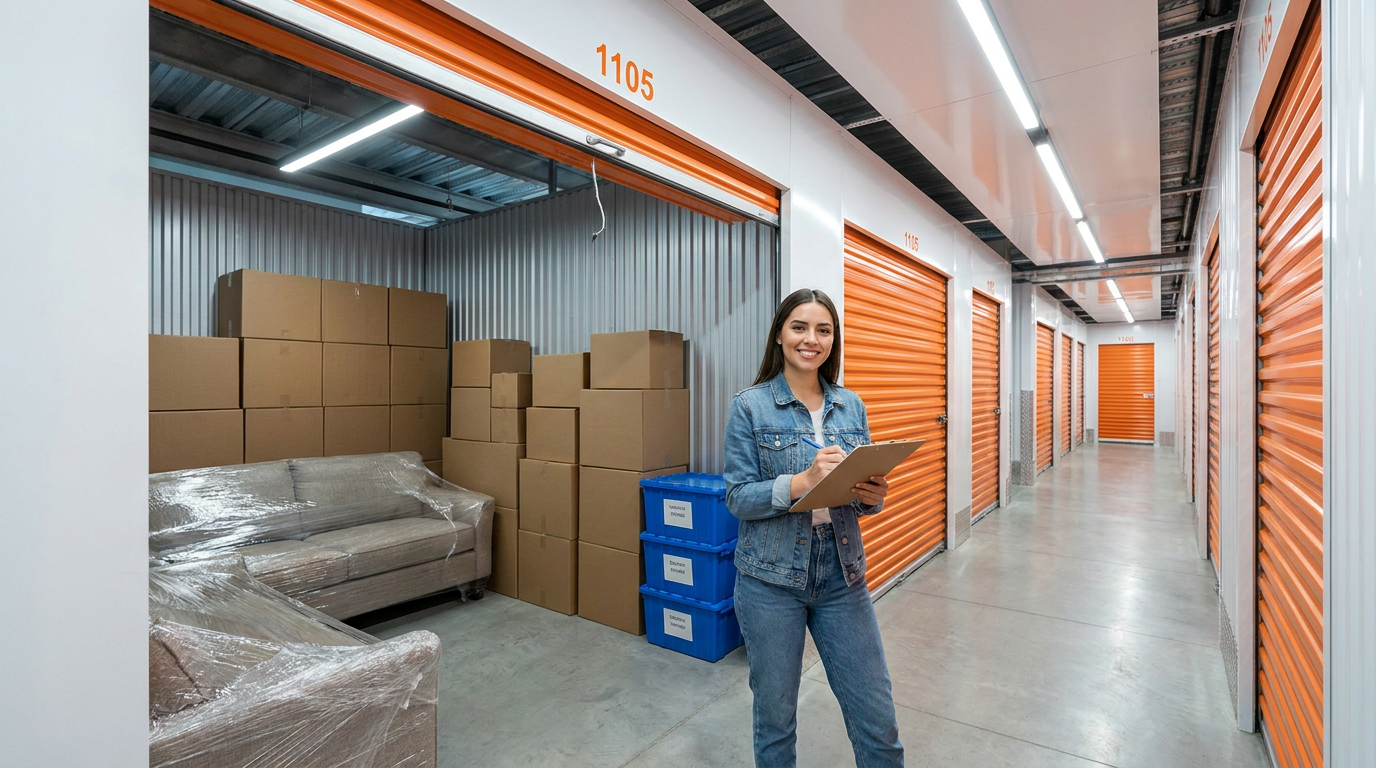
R enting a self storage unit involves choosing the right size (typically 5x5 to 10x30 feet), comparing facility features like security and access hours, and completing a rental agreement that costs between $50 and $600 per month depending on location and unit size. The entire process takes 10 to 30 minutes when renting online, and most facilities offer month-to-month leases with no long-term commitment required.
| Key Points: | |
|---|---|
| • | Storage units range from 25 to 300 square feet, with 5x10 units ($100 to $200/month) fitting most apartment contents |
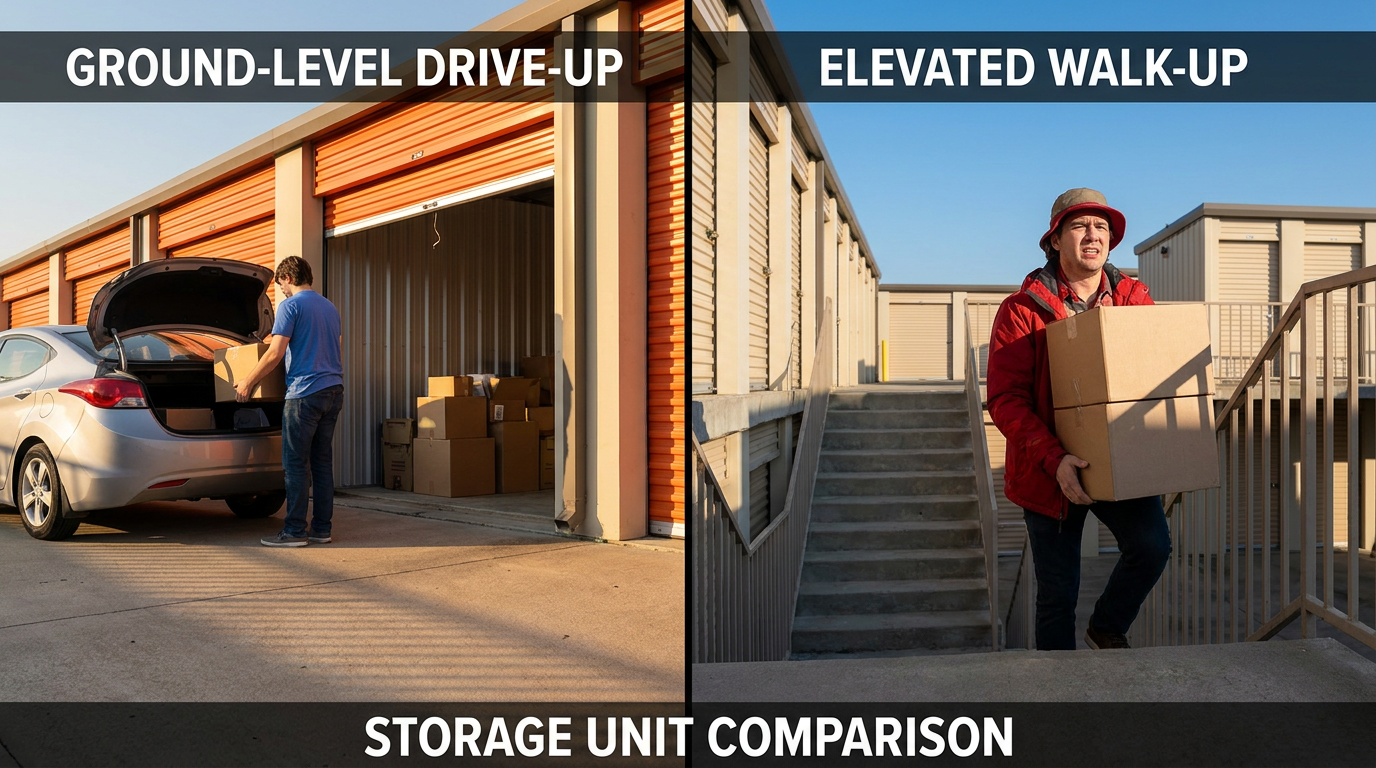
| • | Drive-up access units allow you to pull your vehicle directly to the door for easier loading and unloading |
| • | Security features to prioritize include gated access, security cameras, and individual unit lighting |
| • | Most facilities require a valid ID, proof of insurance or tenant protection plan, and a disc or cylinder lock |
| • | Online rentals let you reserve, sign documents, and move in the same day without visiting an office |
What Is Self Storage and Who Uses It?
Self storage refers to rented spaces within a secure facility where individuals and businesses store belongings they cannot or choose not to keep at home or work. According to the Self Storage Association, approximately 10.6% of American households currently rent a storage unit, making it one of the fastest-growing real estate sectors in the United States.
First-time renters typically fall into several categories. Homeowners use storage during renovations, downsizing, or estate transitions. Renters and apartment dwellers store seasonal items, furniture between moves, or belongings that exceed their living space. Small business owners store inventory, equipment, files, and seasonal merchandise.
Second-home owners on Long Island's South Shore frequently store furniture, recreational equipment, and personal items when traveling between residences. Contractors and tradespeople use storage for tools, materials, and equipment that cannot remain on job sites overnight.
How to Choose the Right Storage Unit Size
Selecting the correct unit size prevents paying for unused space while ensuring everything fits comfortably. The Self Storage Association reports that renters who underestimate their needs spend an average of $150 more in the first year due to upgrading or renting additional units.
Storage Unit Size Comparison Chart
| Unit Size | Square Feet | Best For | Typical Monthly Cost |
|---|---|---|---|
| 5x5 | 25 sq ft | Boxes, small furniture, seasonal items | $50 to $150 |
| 5x10 | 50 sq ft | Studio apartment, mattress set, 10-15 boxes | $75 to $200 |
| 10x10 | 100 sq ft | 1-2 bedroom apartment contents | $125 to $300 |
| 10x15 | 150 sq ft | 2-3 bedroom home, business inventory | $175 to $400 |
| 10x20 | 200 sq ft | 3-4 bedroom home, vehicle storage | $225 to $500 |
| 10x30 | 300 sq ft | Large home, multiple vehicles, commercial use | $350 to $600 |
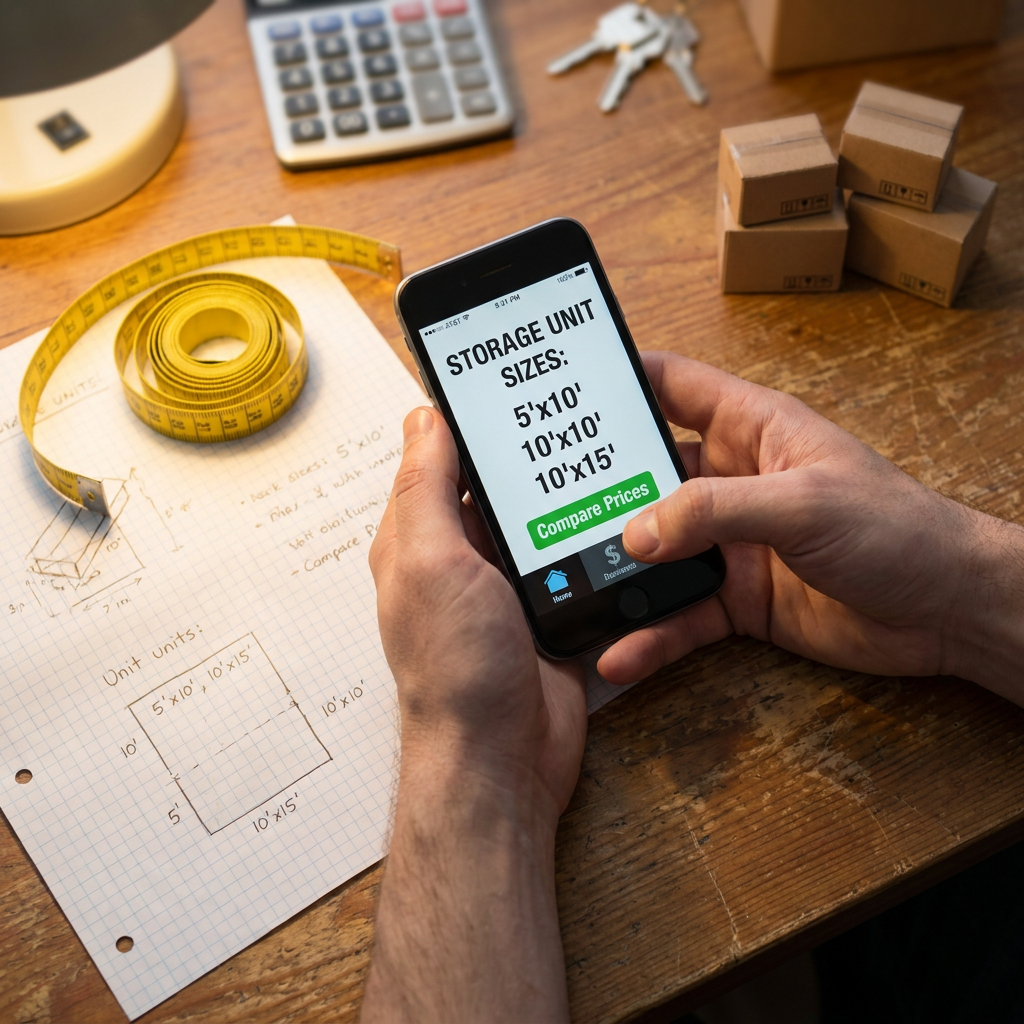
When estimating your needs, inventory your belongings room by room. A standard sofa requires approximately 50 cubic feet, a queen mattress set needs 60 cubic feet, and 10 medium moving boxes occupy about 15 cubic feet. Our storage unit size guide provides detailed breakdowns for common household items.
For most first-time renters storing contents from a one-bedroom apartment, a 5x10 or 10x10 unit provides adequate space. If you plan to access items frequently, consider sizing up to allow walkway space inside the unit.
Types of Storage Units: Drive-Up vs. Interior Access
Storage facilities offer two primary unit configurations, each suited to different needs and access preferences. Understanding these differences helps you select the most convenient option for your situation.
Drive-Up Storage Units
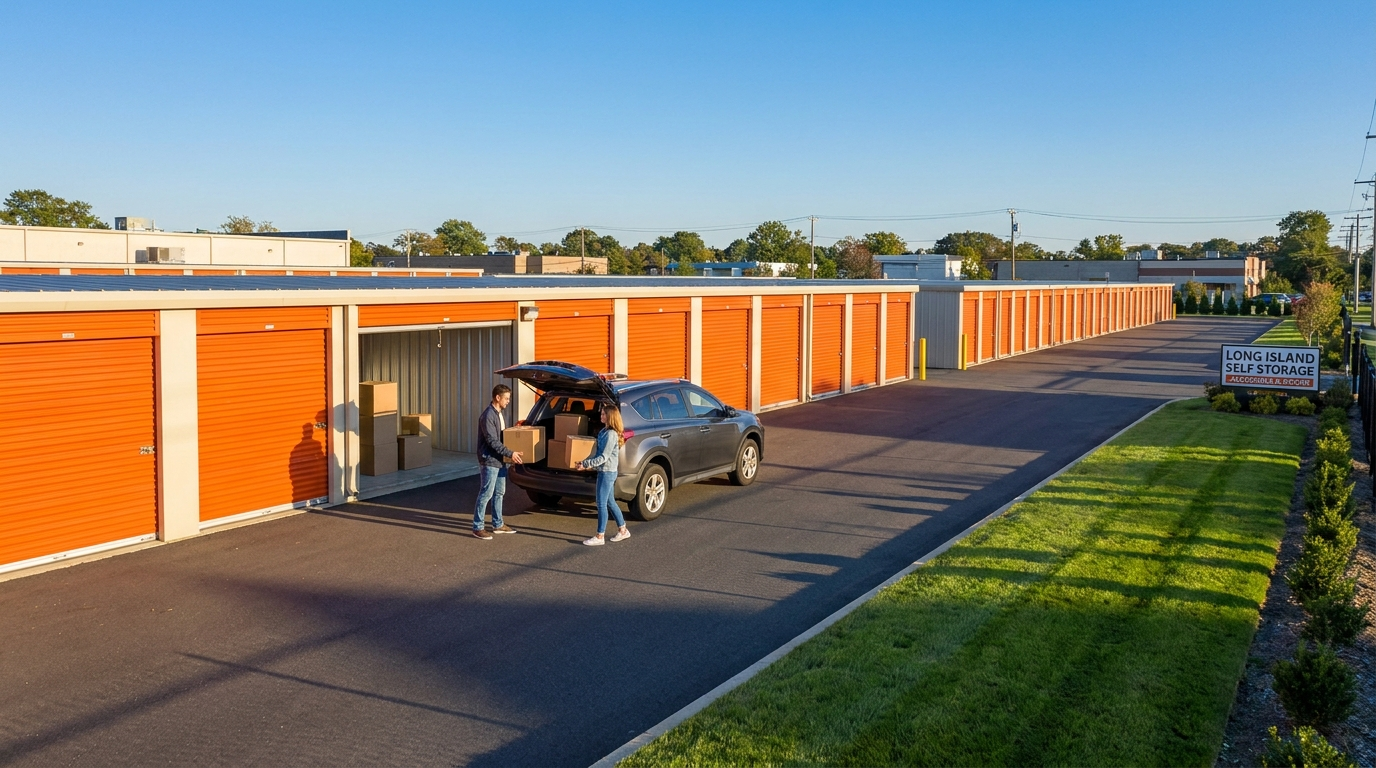
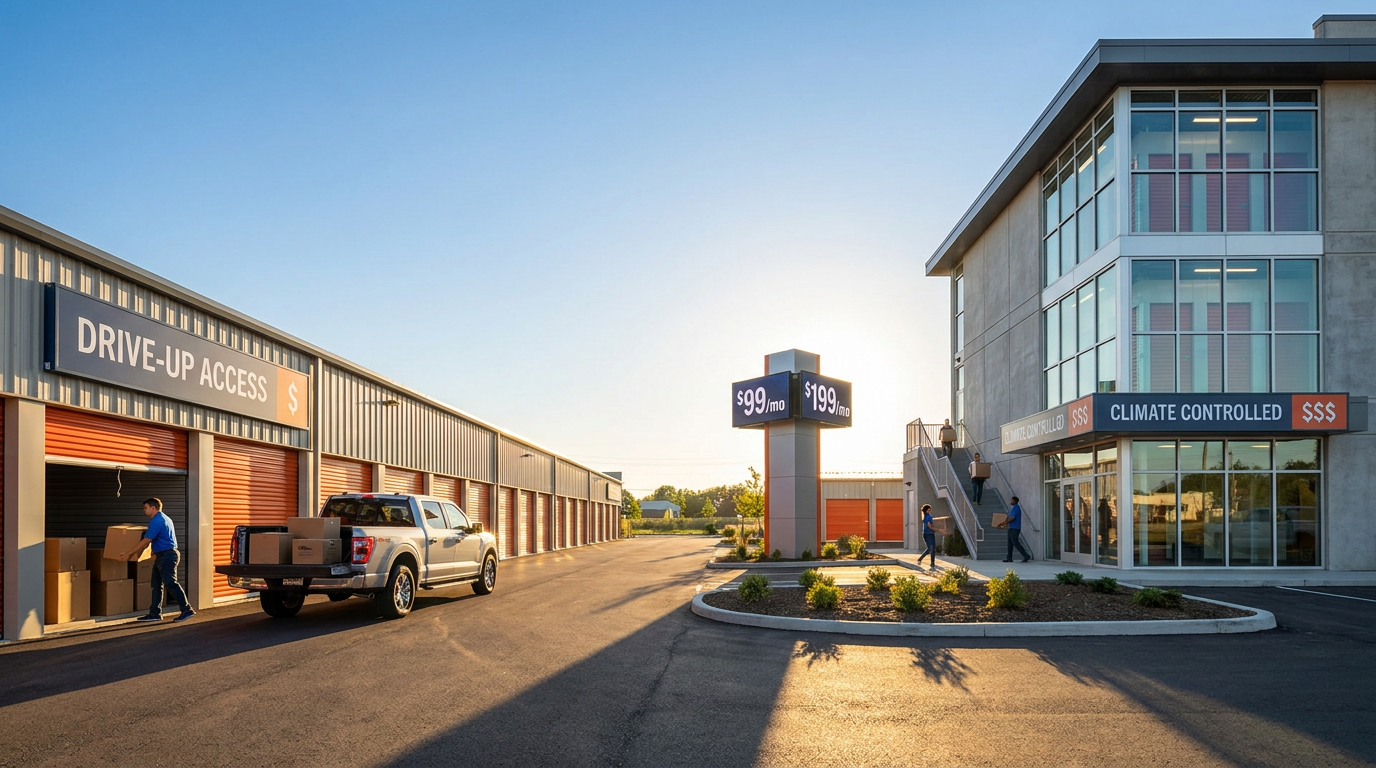
Drive-up units feature individual roll-up doors accessible directly from a driveway or parking area. You can pull your vehicle, truck, or trailer directly to your unit's entrance, eliminating the need to carry items through hallways or elevators. This configuration reduces loading time by 40% to 60% compared to interior units, according to Extra Space Storage industry research.
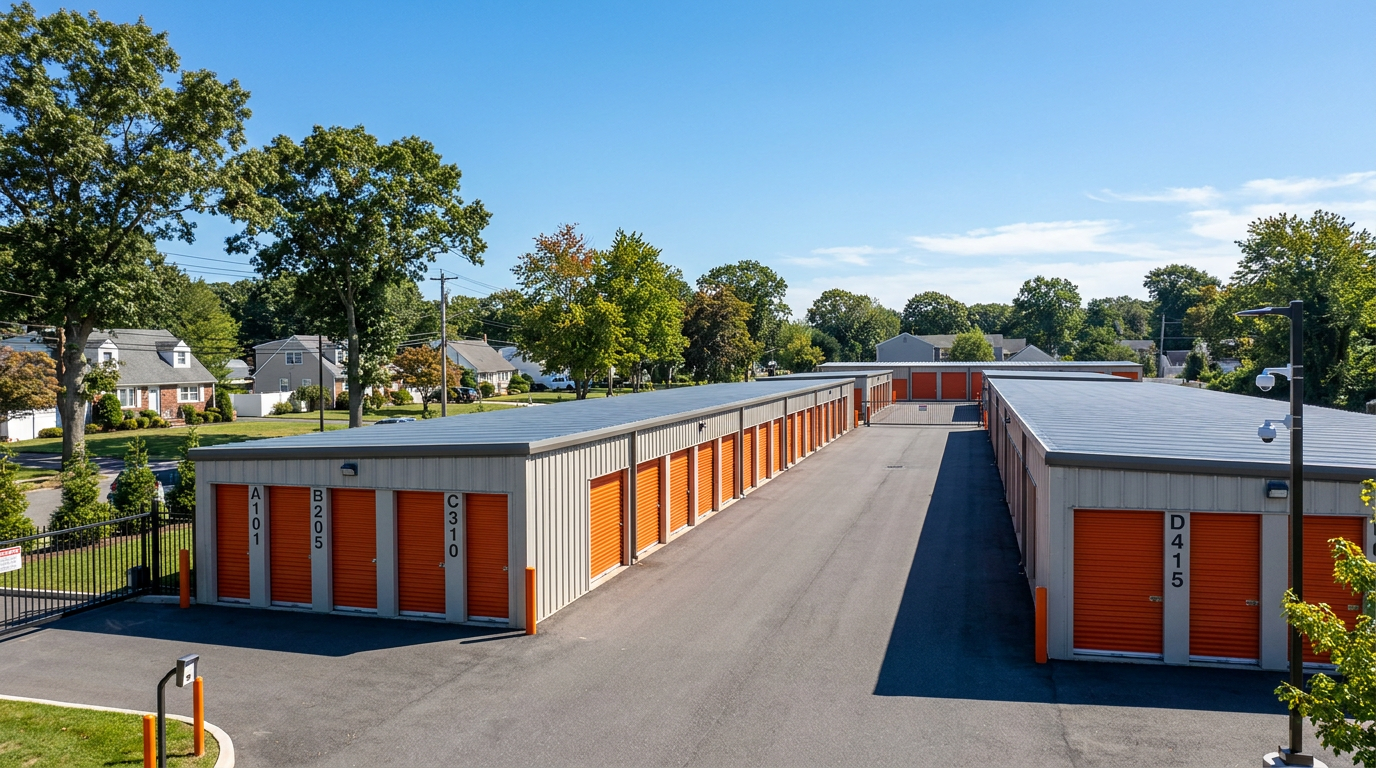
Drive-up access proves especially valuable when storing heavy items like furniture, appliances, or equipment. Facilities like Moriches Storage offer drive-up units with individual lighting, making early morning or evening access safer and more convenient.
Interior or Hallway Units
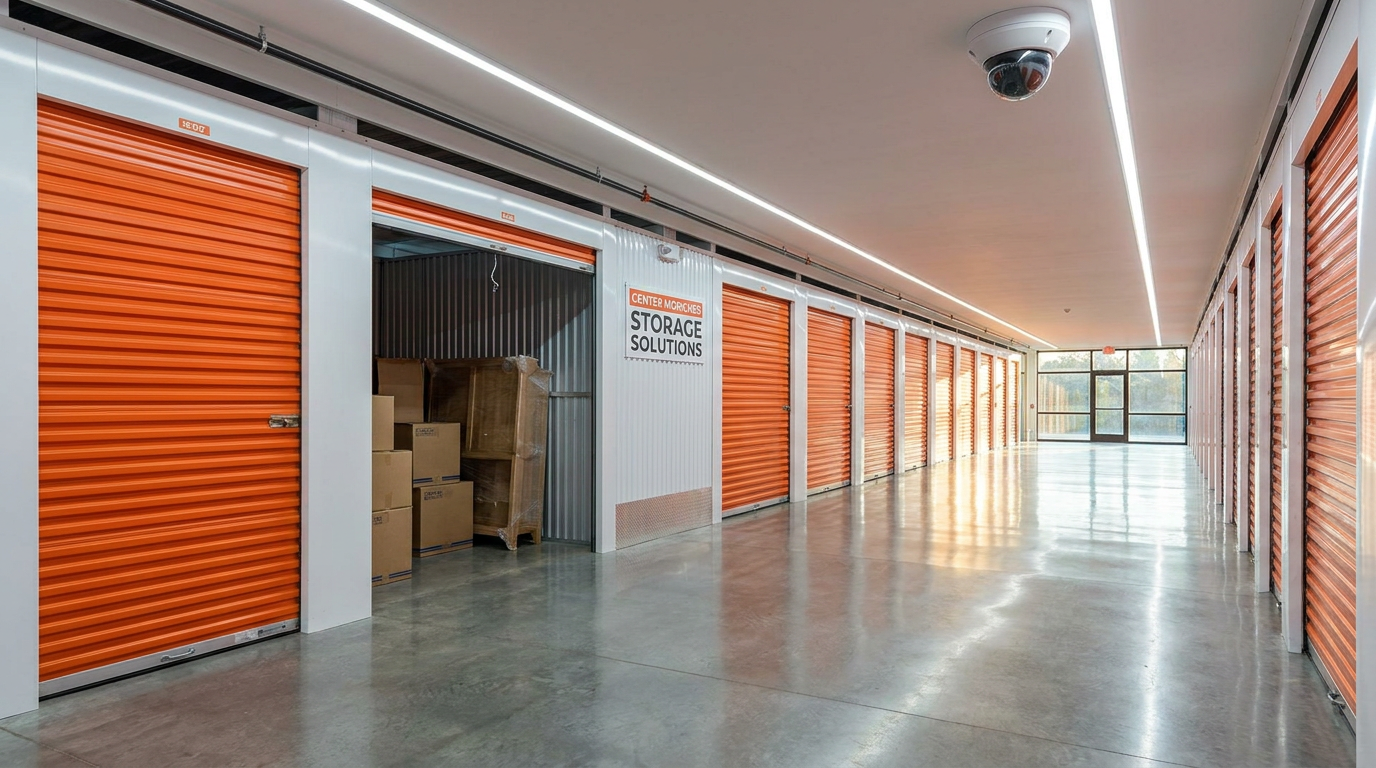
Interior units sit within a larger building, accessed through hallways and sometimes elevators. These units typically offer climate control options and additional protection from weather exposure. However, loading requires transporting items from your vehicle through common areas.
Interior units work well for smaller quantities of items, valuable belongings requiring climate control, or renters who prioritize environmental protection over loading convenience.
Security Features Every First-Time Renter Should Expect
A 2024 survey by the Self Storage Association found that 78% of renters rank security as their top facility selection criterion, ahead of price and location. Reputable facilities invest significantly in security infrastructure to protect tenant belongings.
Essential Security Features
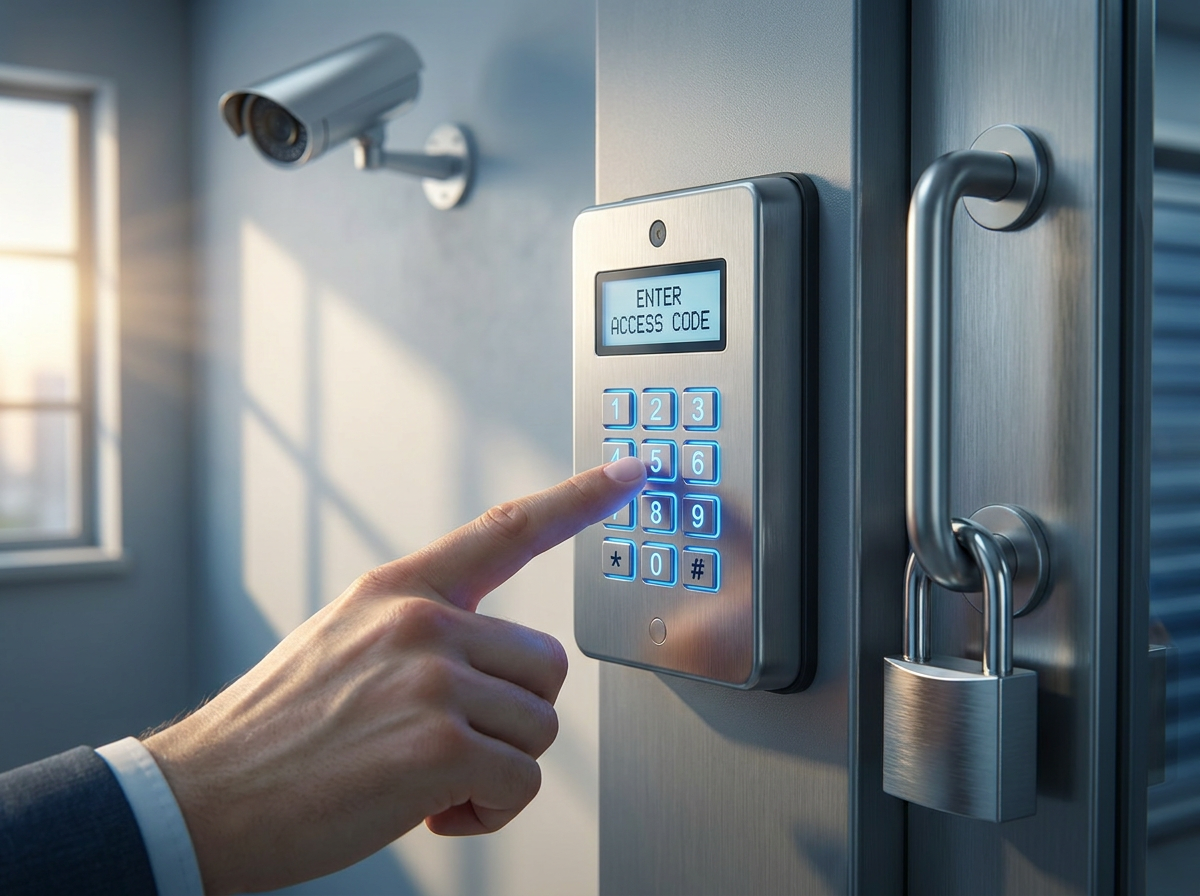
Gated access with individual codes ensures only current tenants can enter the property. Each renter receives a unique access code, creating an electronic log of entry and exit times. This feature deters unauthorized access and provides accountability.
24-hour video surveillance monitors common areas, driveways, and unit corridors. Modern systems use high-definition cameras with night vision capabilities. Recorded footage assists in investigating any incidents and serves as a deterrent to theft.
Individual unit lighting illuminates your specific unit when you access it, improving visibility during loading and deterring criminal activity. LED lighting in each unit represents a significant upgrade over facilities relying solely on overhead hallway lights.
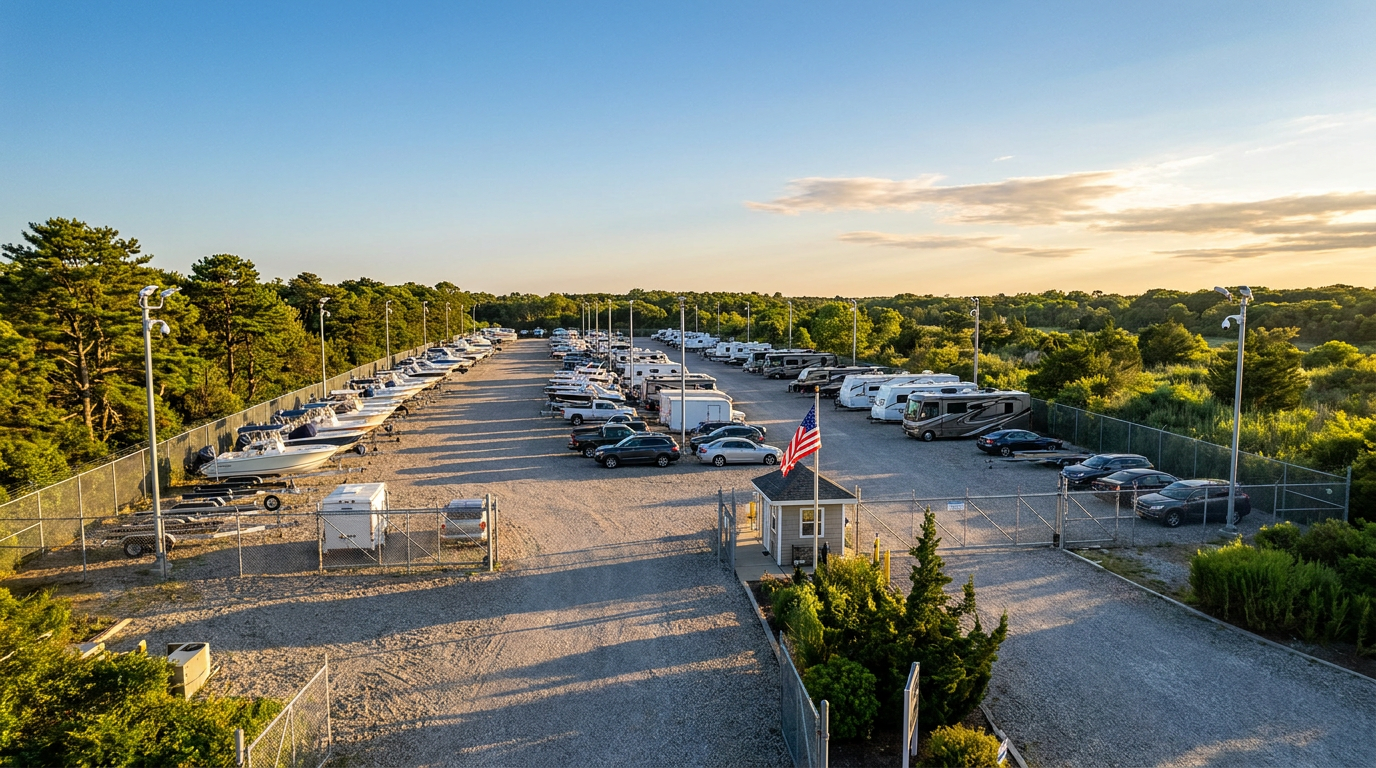
Paved, well-maintained property indicates professional management and allows security cameras to capture clear footage. Poorly maintained facilities with gravel lots and inadequate lighting present higher risk profiles.
Our fully gated facility features security cameras, access control, and LED lighting throughout the property, providing comprehensive protection for tenant belongings.
Understanding Storage Costs and Lease Terms
Storage pricing varies based on unit size, location, features, and local market conditions. According to StorageCafe's 2025 market analysis, the national average for a 10x10 non-climate-controlled unit is $132 per month, with prices ranging from $85 in rural areas to $250 or more in major metropolitan markets.
What Affects Storage Unit Pricing
Unit size represents the primary cost factor. A 5x5 unit costs roughly 40% less than a 10x10, while a 10x20 typically costs 50% to 75% more than a 10x10. Pricing scales with square footage, though larger units often offer better per-square-foot value.
Location and demand significantly impact rates. Facilities near population centers, highways, or affluent neighborhoods command premium prices. Suffolk County facilities generally price 15% to 25% above the national average due to higher real estate costs and strong demand.
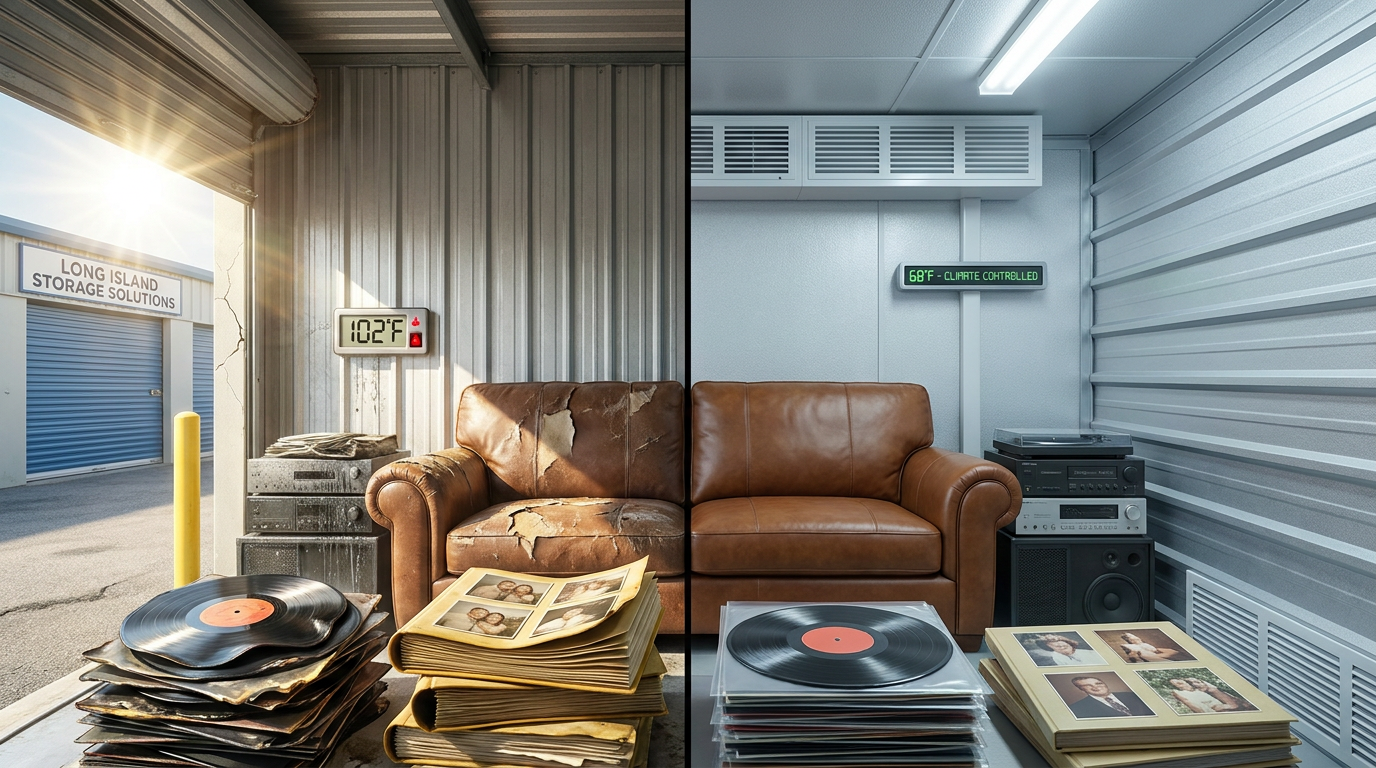
Climate control adds 25% to 50% to base rental rates. This feature maintains temperatures between 55 and 80 degrees Fahrenheit, protecting sensitive items from extreme heat, cold, and humidity fluctuations.
Access hours may affect pricing at some facilities. Standard business-hours-only access costs less than 24/7 access at facilities that charge tiered rates.
Lease Terms and Flexibility
Most modern storage facilities offer month-to-month leases, allowing you to rent only for the duration you need without long-term commitments. This flexibility proves valuable during transitional periods like moves, renovations, or seasonal storage needs.
Some facilities require security deposits (typically equal to one month's rent), while others waive deposits entirely. Autopay enrollment often qualifies renters for discounts of $5 to $20 per month. Visit our frequently asked questions for details on rental terms and payment options.
The Complete Rental Process: Step by Step
Renting a storage unit has become increasingly streamlined, with many facilities offering fully online processes. Understanding each step helps you prepare and complete your rental efficiently.
Step 1: Research and Compare Facilities
Begin by identifying facilities within a convenient distance from your home or workplace. Industry data suggests choosing a facility within 15 minutes of your primary location, as longer distances discourage regular access and monitoring of your belongings.
Compare security features, access hours, unit sizes, and pricing across 3 to 5 facilities. Read Google Reviews and Yelp ratings, paying attention to comments about cleanliness, customer service, and security incidents.
Step 2: Select Your Unit Size
Use the size comparison chart above or contact facility staff for guidance. When uncertain, consider renting slightly larger than your estimate. The cost difference between a 5x10 and 10x10 (typically $50 to $75 per month) often proves worthwhile for the added flexibility.
Step 3: Complete the Rental Agreement
Modern facilities allow you to complete the entire rental process online in 10 to 15 minutes. You will need to provide a valid government-issued ID, contact information, payment method, and emergency contact details.
Review the rental agreement carefully, noting payment due dates, late fee policies, access hours, and prohibited items. Most agreements require 14 to 30 days written notice before vacating.
Step 4: Set Up Access and Payment
You will receive a unique access code for gated entry. Download any facility apps for managing your account, making payments, and receiving important notifications. Enroll in autopay to avoid late fees and potentially qualify for discounts.
Step 5: Purchase a Lock
Most facilities require you to provide your own lock. Disc locks and cylinder locks offer superior security compared to standard padlocks, as they resist bolt cutters and prying. Expect to spend $15 to $40 for a quality storage lock at hardware stores like Home Depot, Lowe's, or through the storage facility.
What You Can and Cannot Store
Storage facilities maintain prohibited items lists to protect all tenants and comply with local regulations. Understanding these restrictions prevents lease violations and potential legal issues.
Commonly Prohibited Items
Hazardous materials include gasoline, propane, paint, chemicals, fertilizers, and fireworks. These items pose fire and explosion risks that endanger the entire facility.
Perishable goods attract pests and create sanitation problems. Food, plants, and organic materials deteriorate and can damage neighboring units.
Living things of any kind are prohibited. This includes pets, livestock, and any animals, even temporarily.
Illegal items such as stolen property, controlled substances, or unlicensed firearms violate facility policies and criminal law.
High-value items like cash, jewelry, and irreplaceable documents should remain in bank safe deposit boxes or home safes rather than storage units.
Items That Require Special Consideration
Electronics, wooden furniture, leather goods, photographs, and musical instruments benefit from climate-controlled storage, especially for periods exceeding 6 months. Temperature fluctuations and humidity cause warping, cracking, mold growth, and electronic component degradation.
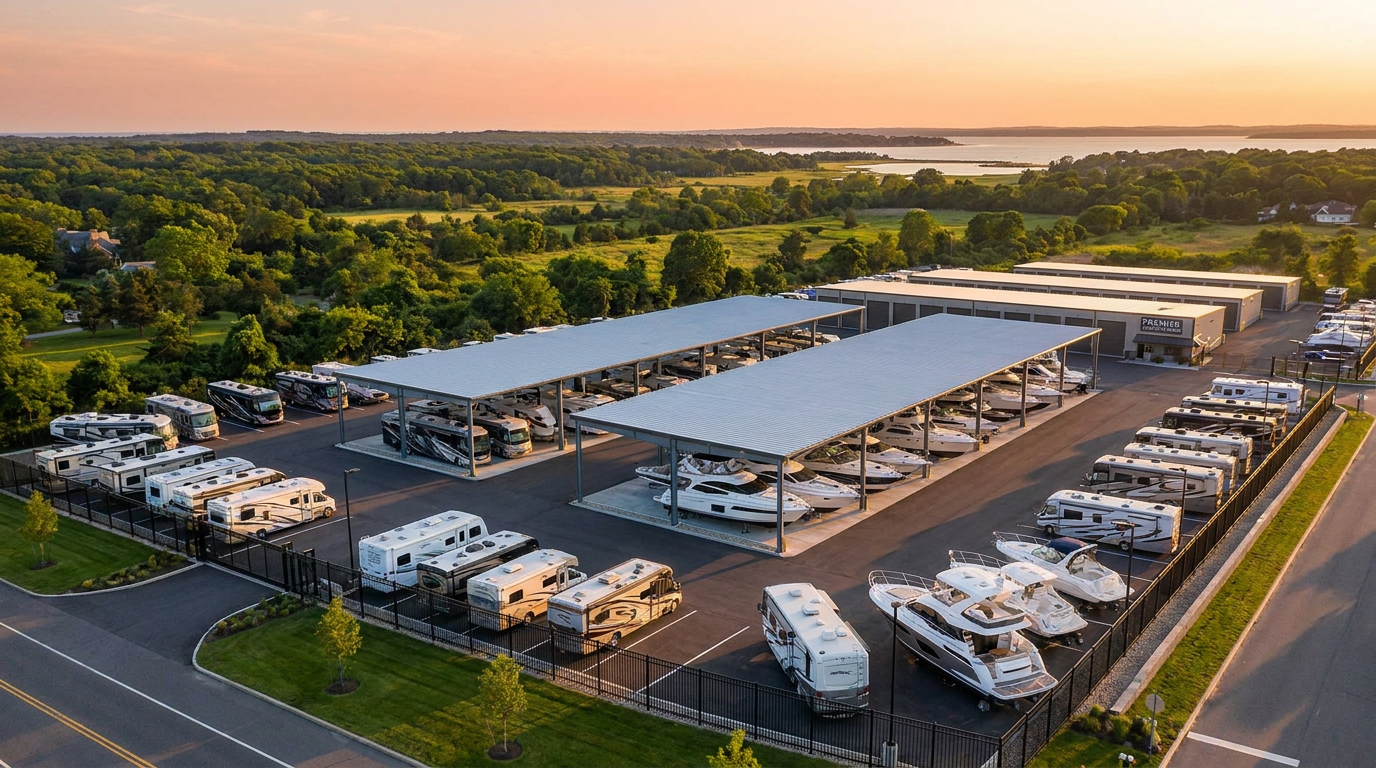
Vehicles, boats, and RVs require adequate unit sizing and may need battery maintenance during extended storage. Drain fuel tanks or add stabilizer for storage periods exceeding 3 months.
Protecting Your Belongings: Insurance and Tenant Protection
Standard homeowners and renters insurance policies often exclude or limit coverage for items in off-site storage. According to the Insurance Information Institute, only 35% of storage unit contents receive adequate coverage through existing policies.
Your Protection Options
Check your existing insurance by contacting your homeowners or renters insurance provider. Request written confirmation of coverage limits and exclusions for stored property. Some policies cover stored items at 10% of total coverage, while others exclude off-site storage entirely.
Tenant protection plans offered through storage facilities provide convenient coverage specifically designed for stored belongings. These plans typically cost $10 to $30 per month and cover $2,000 to $10,000 in belongings against theft, fire, water damage, and other perils.
Standalone storage insurance from providers like SafeLease offers customizable coverage levels. This option works well for high-value items or when facility-offered plans provide insufficient coverage.
Learn about covered perils and exclusions through our tenant protection plan information. Understanding what is and is not covered helps you make informed decisions about protecting your belongings.
Packing and Organizing Your Storage Unit
Proper packing and organization maximize your unit's capacity while protecting items from damage. Strategic planning before your first visit saves time and prevents costly mistakes.
Packing Best Practices
Use uniform box sizes when possible. Standard moving boxes (small, medium, large) stack efficiently and distribute weight evenly. Avoid oversized boxes that become too heavy to lift safely.
Label all boxes on multiple sides with contents and room of origin. This practice saves significant time when retrieving specific items. Consider creating a numbered inventory list with box contents for valuable or extensive collections.
Wrap furniture and mattresses in protective covers or moving blankets. Plastic wrap prevents dust accumulation and minor scratches. Mattress bags protect against moisture and pests.
Disassemble large items when practical. Removing table legs, bed frames, and shelving components reduces required space by 20% to 30% and prevents damage during transport.
Unit Organization Strategies
Create a center aisle if you anticipate needing access to items at the back of your unit. This approach uses slightly more space but prevents the need to unload everything to reach specific items.
Place frequently accessed items near the front . Seasonal decorations, sports equipment, or documents you may need should remain accessible without moving other belongings.
Stack strategically with heavy items on the bottom and fragile items on top. Place furniture like dressers and bookshelves against walls, using their interior space for boxes or smaller items.
Elevate items off the floor using pallets or 2x4 boards in non-climate-controlled units. This precaution protects against minor water intrusion from rain or cleaning activities.
Common First-Time Renter Mistakes to Avoid
Learning from others' experiences helps you avoid costly and frustrating errors. These mistakes represent the most common issues reported by first-time storage renters.
Mistake 1: Choosing Based on Price Alone
The cheapest facility often lacks security features, proper maintenance, or responsive customer service. A $20 monthly savings means nothing if your belongings are stolen or damaged. Evaluate total value including security, access, and facility condition.
Mistake 2: Underestimating Space Needs
Renting a unit that is too small forces you to upgrade (incurring additional fees and hassle) or cram items in ways that cause damage. When in doubt, size up one level.
Mistake 3: Skipping Insurance Coverage
Assuming your belongings are covered or that nothing will happen leaves you financially vulnerable. Verify coverage or purchase a tenant protection plan before moving items into storage.
Mistake 4: Neglecting Climate Considerations
Storing temperature-sensitive items in non-climate-controlled units causes preventable damage. Electronics, wooden furniture, photographs, and leather goods require stable temperatures and humidity levels.
Mistake 5: Forgetting About Access Needs
Renting a unit with limited access hours when you need evening or weekend availability creates ongoing frustration. Confirm access hours match your schedule before signing a lease.
Questions to Ask Before Renting
Prepare these questions when evaluating storage facilities. The answers reveal important differences between options and help you make an informed decision.
What security features does the facility have? Look for gated access, security cameras, individual unit alarms, and on-site management or regular patrols.
What are the access hours? Confirm whether access is 24/7 or limited to specific hours. Understand any holiday closures or restrictions.
What is included in the monthly rate? Ask about administrative fees, insurance requirements, lock purchases, and any other charges beyond the quoted rental rate.
What is the notice period for moving out? Most facilities require 14 to 30 days written notice. Understanding this policy prevents unexpected charges.
Can I change unit sizes if needed? Flexibility to upgrade or downsize accommodates changing storage needs without breaking your lease.
What payment methods are accepted? Confirm autopay options, accepted credit cards, and whether cash or check payments are possible.
Need answers to additional questions? Contact the Moriches Storage team by phone at (631) 874-5306, text, or email for personalized assistance.
Getting Started with Your First Storage Unit
Renting your first storage unit becomes straightforward when you understand the process, know what to look for in a facility, and prepare your belongings properly. Focus on selecting the right size, prioritizing security features, understanding your lease terms, and protecting your belongings with appropriate insurance coverage.
Modern storage facilities have simplified the rental process significantly. Many renters complete their entire reservation online in under 15 minutes and move in the same day. Month-to-month leases provide flexibility, allowing you to store items only for the duration you need without long-term commitments.
For residents throughout East Moriches, Center Moriches, Eastport, Manorville, Mastic, Shirley, Westhampton, and surrounding Suffolk County communities, convenient storage options are available just off Sunrise Highway and Montauk Highway. Whether you need a small 5x5 unit for seasonal items or a large 10x30 space for a complete household, the right storage solution exists for your specific situation.
|