Do You Really Need Climate Controlled Storage? Cost vs Benefit |
| DO YOU REALLY NEED CLIMATE CONTROLLED STORAGE: COST VS BENEFIT ANALYSIS
⏱ 10 min read ·
📄 #1,980 words
Climate controlled storage costs 25-50% more than standard units. Learn which items actually need it and when drive-up storage saves you money without risk.
|
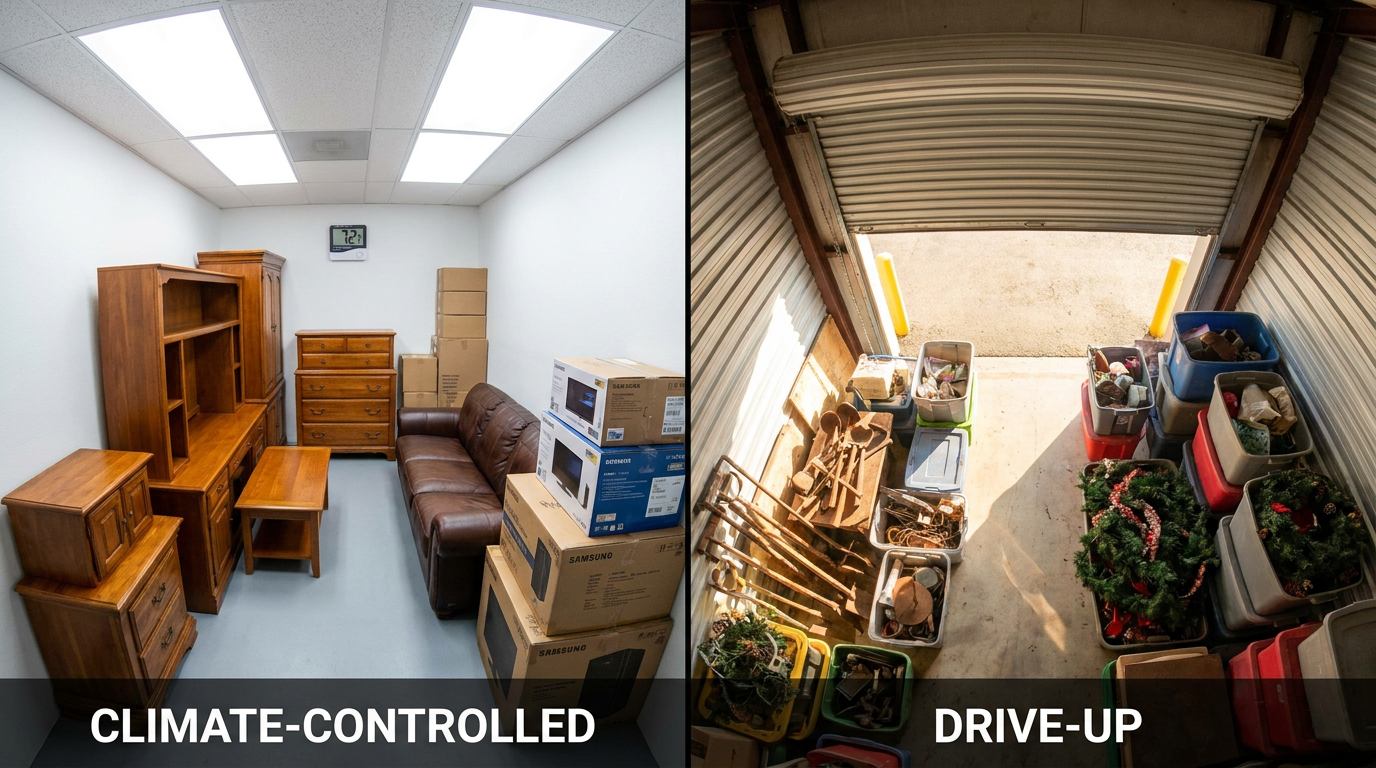
M ost household items do not require climate controlled storage. Standard drive-up units protect furniture, tools, seasonal gear, and boxes of belongings effectively when temperatures stay between 32°F and 90°F. Climate control becomes necessary only for temperature-sensitive items like electronics, wooden antiques, vinyl records, and certain documents stored longer than six months.
| Key Points: | |
|---|---|
| • | Climate controlled units cost 25-50% more than standard storage, adding $40-100 monthly for a 10x10 space |
| • | Long Island's moderate coastal climate (average 32°F to 82°F) makes standard units suitable for most household items |
| • | Items that genuinely need climate control: electronics, wooden instruments, wine, photographs, and leather furniture |
| • | Proper packing techniques can protect most belongings in standard units for 1-3 years |
| • | Drive-up units offer faster loading, easier access, and lower monthly costs for the majority of storage needs |
What Climate Controlled Storage Actually Does
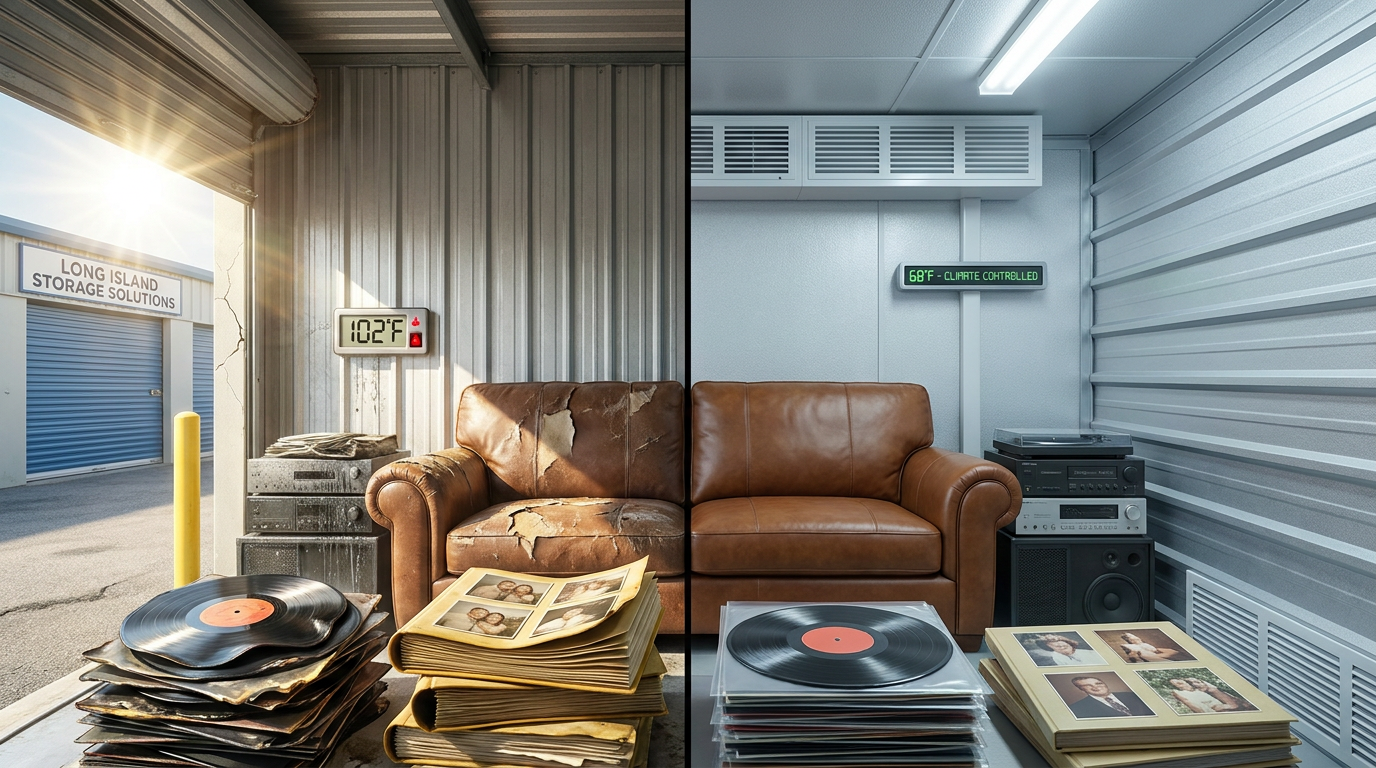
Climate controlled storage maintains interior temperatures between 55°F and 80°F year-round. According to Neighbor's storage research, these units also regulate humidity levels between 30% and 50%, preventing moisture damage and condensation. The systems run continuously, using HVAC equipment similar to residential heating and cooling.
Standard drive-up units, by contrast, experience temperature fluctuations matching outdoor conditions. In Suffolk County, this means summer highs around 85°F and winter lows near 25°F inside unheated units. The key question is whether your specific items can tolerate these natural temperature swings.
The Real Cost Difference on Long Island
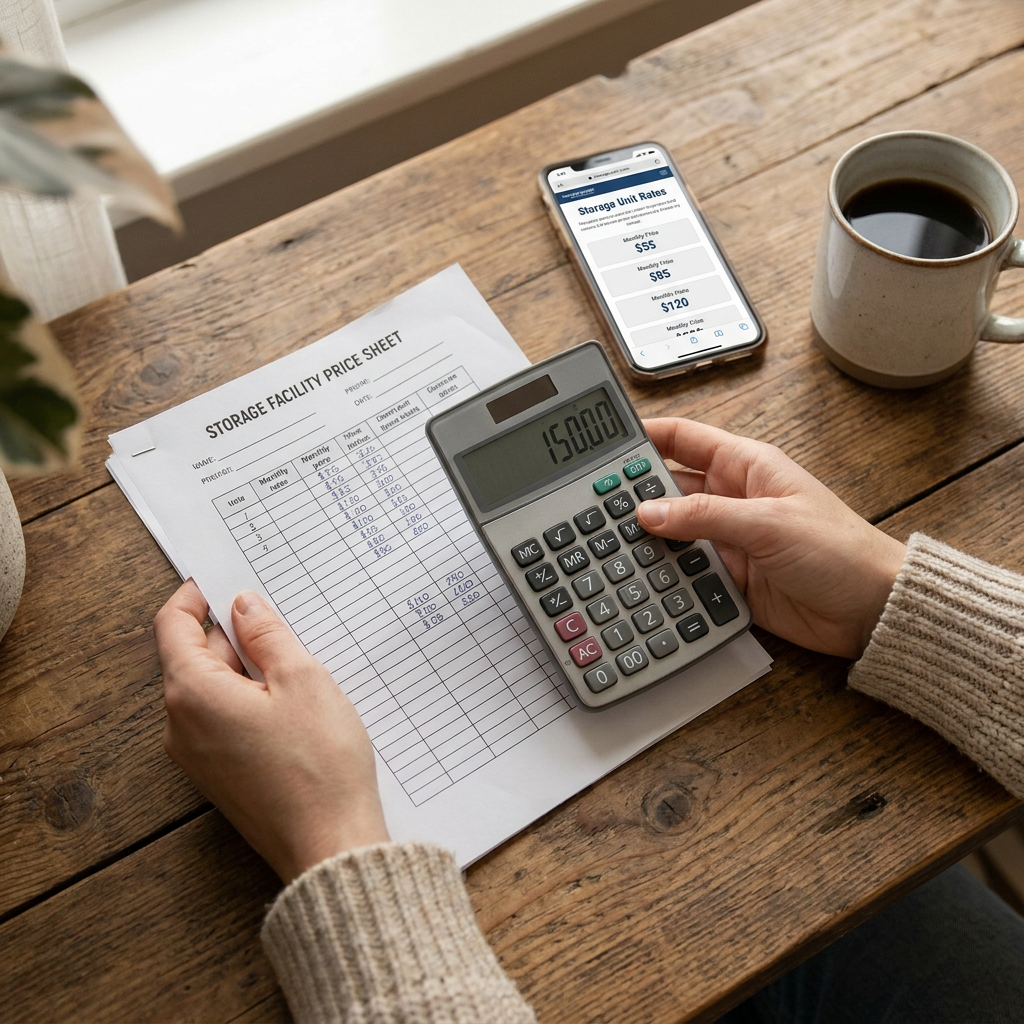
Climate controlled storage commands a significant premium over standard units. The Self Storage Association reports national averages showing 25-50% higher monthly rates for temperature-regulated spaces. For a 10x10 unit, this translates to $40-100 extra per month, or $480-1,200 annually.
| Unit Size | Standard Drive-Up (Monthly) | Climate Controlled (Monthly) | Annual Premium |
|---|---|---|---|
| 5x5 | $135 | $170-200 | $420-780 |
| 5x10 | $185 | $230-280 | $540-1,140 |
| 10x10 | $275 | $345-415 | $840-1,680 |
| 10x20 | $425 | $530-640 | $1,260-2,580 |
These numbers matter because many renters pay for climate control they do not need. A family storing holiday decorations, outdoor furniture, and boxes of kitchenware could save $1,000 or more annually by choosing a standard drive-up unit with proper packing.
Items That Genuinely Require Climate Control
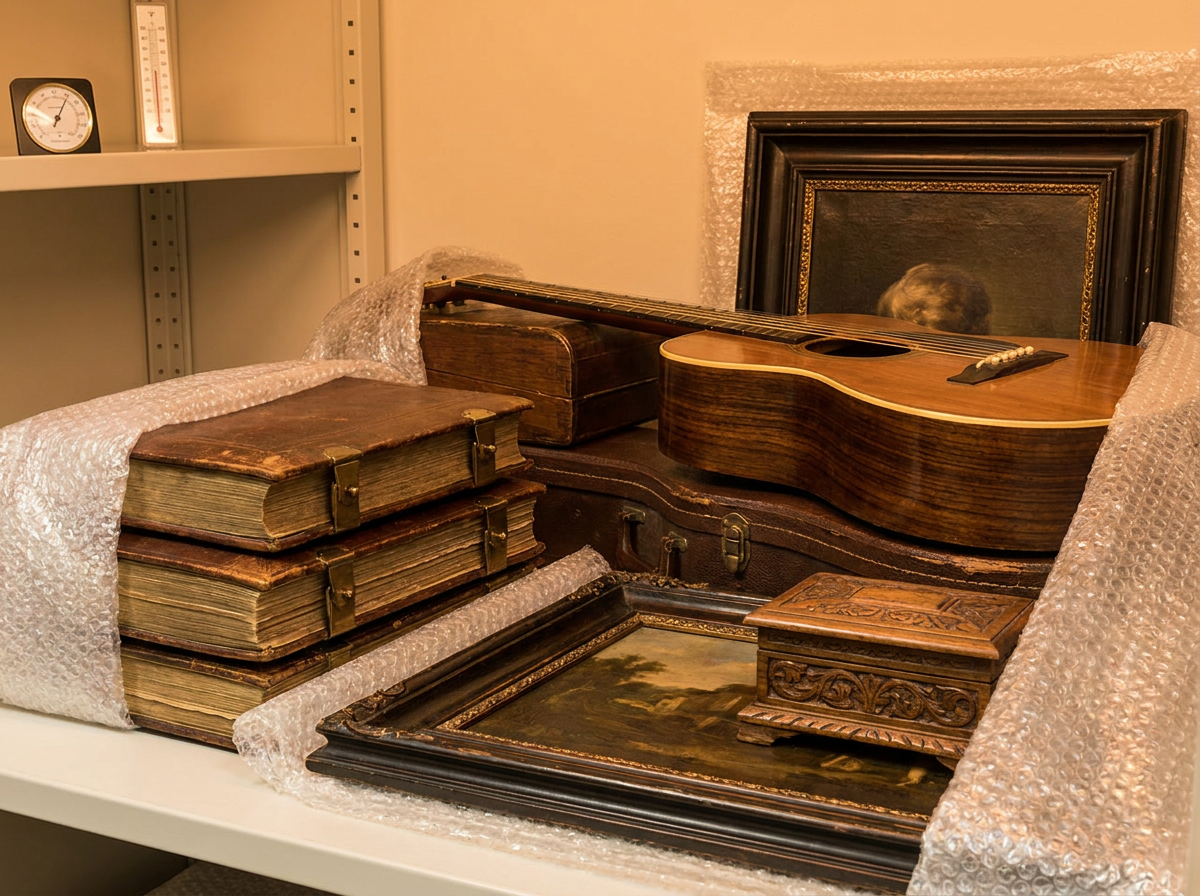
Certain materials deteriorate when exposed to temperature extremes or humidity fluctuations. The Library of Congress recommends climate controlled environments for archival documents, photographs, and film negatives to prevent degradation. These items have specific vulnerabilities that standard storage cannot address.
Electronics and Media
Computer equipment, televisions, and gaming consoles contain circuit boards susceptible to condensation damage. When temperatures swing from cold to warm, moisture forms inside electronic housings. Vinyl records warp at temperatures above 100°F. Magnetic tape media (VHS, cassettes) degrades faster in high humidity.
Wooden Furniture and Instruments
Solid wood expands and contracts with humidity changes. Antique furniture joints can crack or separate. Musical instruments like guitars, pianos, and violins require stable humidity between 40-60% to maintain proper tone and structural integrity. Steinway, Yamaha, and other major piano manufacturers specify climate controlled storage for instruments not in regular use.
Artwork and Collectibles
Oil paintings, watercolors, and photographs on paper require stable conditions. Canvas can stretch or shrink. Wine collections need consistent temperatures between 55-58°F. Stamp and coin collections can develop tarnish or mold in humid conditions. Comic books and vintage magazines yellow faster in heat.
Items That Do NOT Need Climate Control
The storage industry often oversells climate control for items that tolerate temperature variation well. According to Outrig's storage guide, most common household belongings store safely in standard units when properly prepared. Understanding what does not need climate control saves significant money.
Metal Items and Tools
Hand tools, power tools, lawn equipment, and metal furniture withstand temperature swings without damage. A light coating of WD-40 or machine oil prevents rust during extended storage. Garden tools, workshop equipment, and automotive parts store well in standard drive-up units year-round.
Plastic and Synthetic Materials
Plastic storage bins, synthetic outdoor furniture, and items made from modern polymers handle Long Island's temperature range without degradation. Holiday decorations (except candles), plastic toys, and sports equipment store safely in standard units.
Properly Packed Clothing and Textiles
Cotton, polyester, and synthetic fabrics tolerate temperature variation when stored in sealed plastic bins or vacuum bags. The National Cleaners Association confirms that clean, dry clothing stored in airtight containers remains undamaged in non-climate-controlled spaces for 2-3 years. Natural fibers like wool and silk benefit from climate control only for storage exceeding 12 months.
Sealed Boxes and Household Goods
Dishes, cookware, books in sealed bins, and general household items do not require temperature regulation. Properly packed boxes with tape-sealed seams protect contents from dust and minor humidity fluctuations. Moving boxes containing everyday items store well in drive-up units.
Long Island's Climate Advantage
Suffolk County's coastal location moderates temperature extremes compared to inland areas. The National Weather Service data for Brookhaven shows average summer highs of 82°F and winter lows of 25°F. The Atlantic Ocean's influence prevents the 100°F+ summer peaks common in states like Texas, Arizona, or Florida.
This matters for storage decisions. Items that might require climate control in Phoenix or Dallas often store safely in standard units on Long Island. The moderate humidity levels (averaging 65-70%) also reduce mold risk compared to Gulf Coast or Deep South locations.
Facilities in East Moriches, Center Moriches, Shirley, and surrounding South Shore communities benefit from this temperate climate. Standard drive-up units maintain interior temperatures roughly 10-15 degrees warmer than outside in winter and 5-10 degrees cooler in summer due to insulation effects.
The Drive-Up Advantage for Most Storage Needs
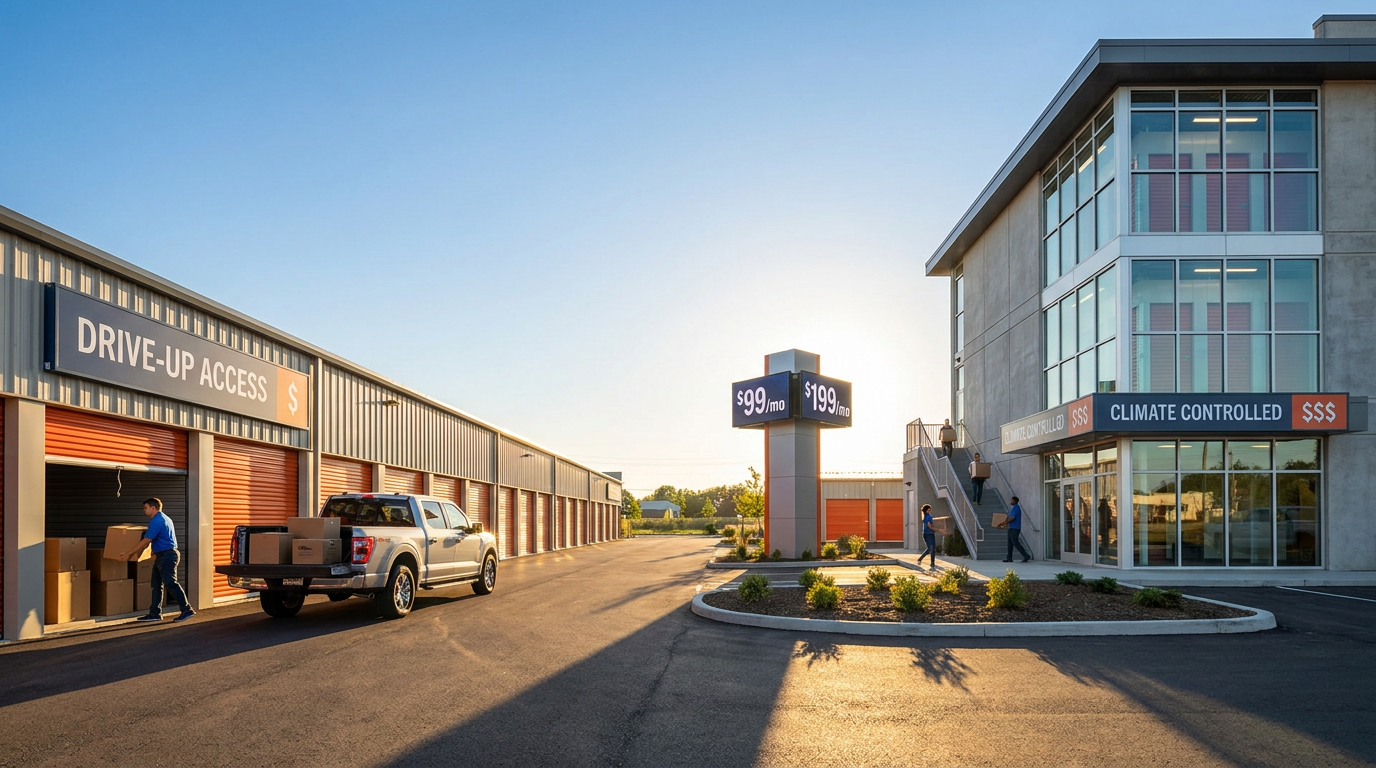
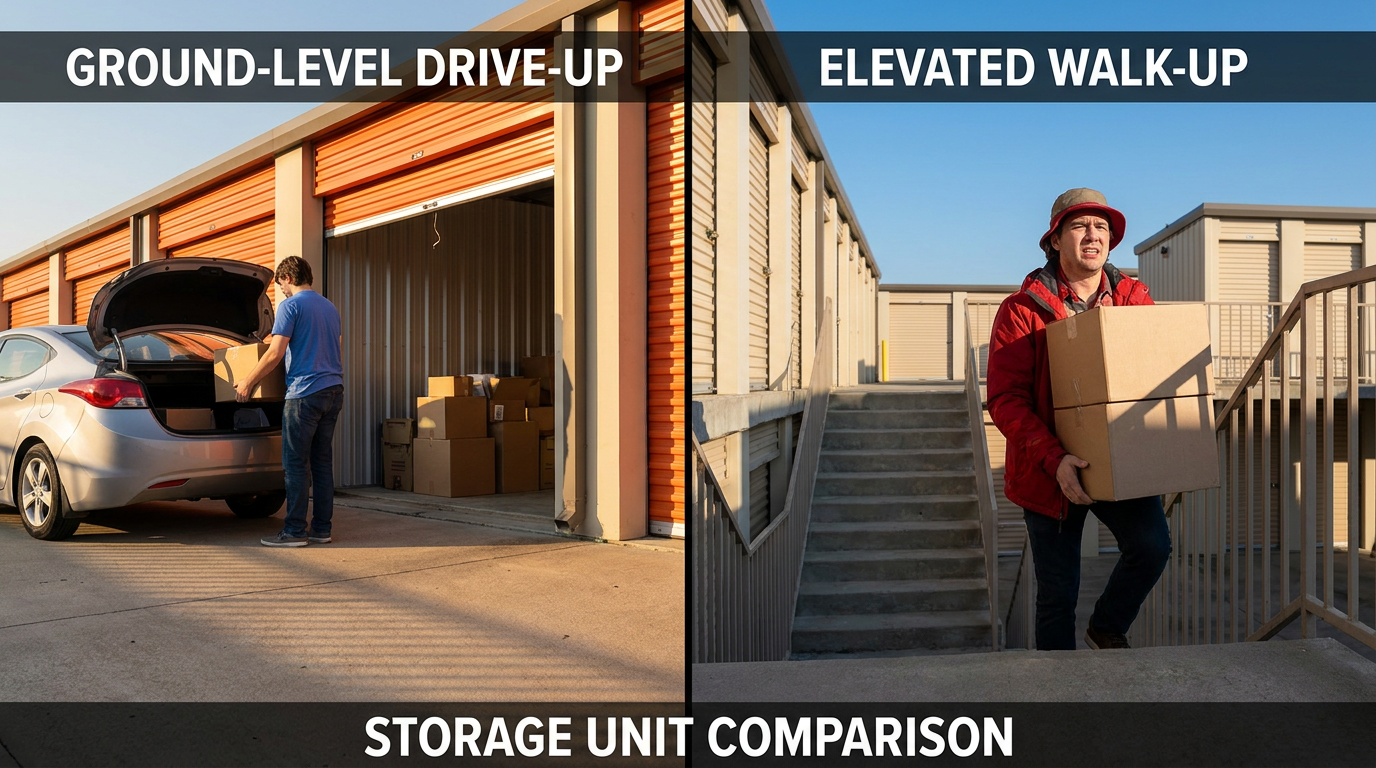
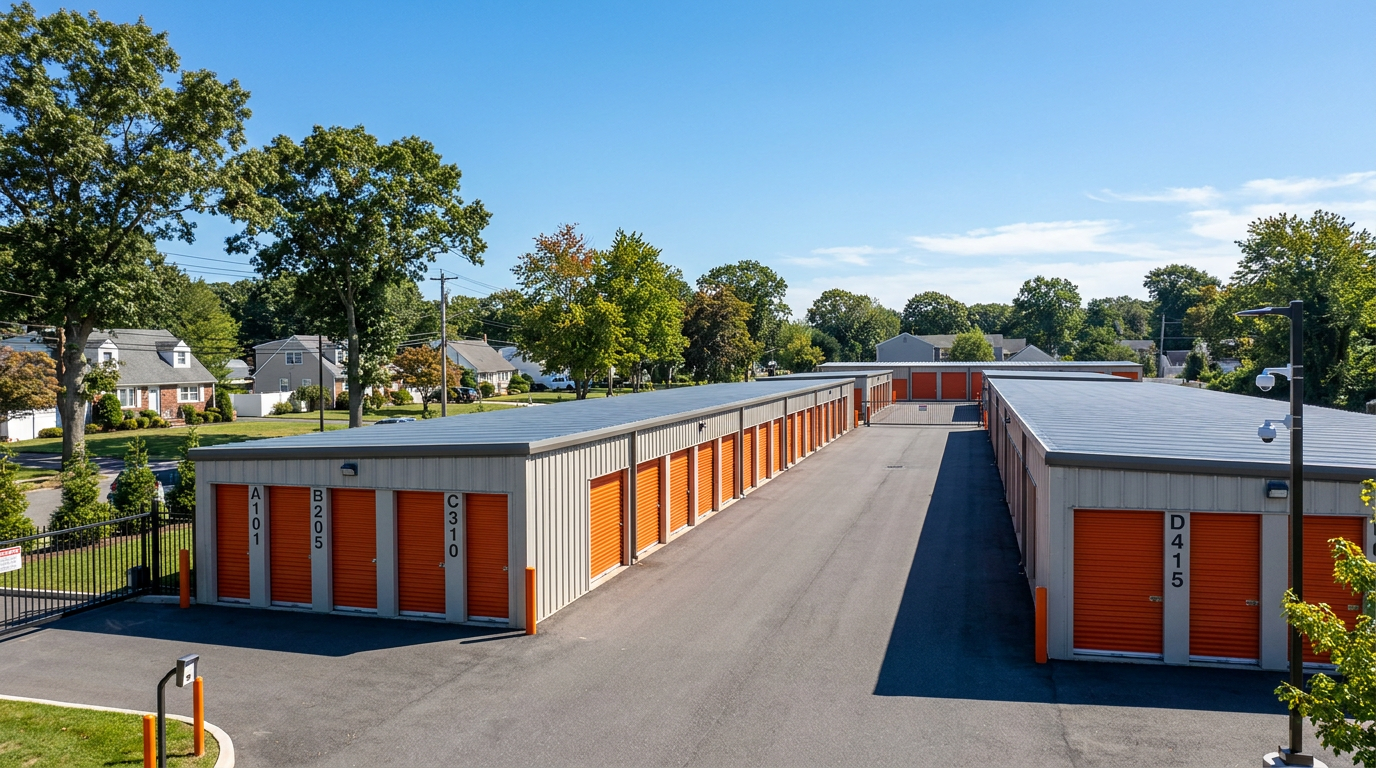
Beyond cost savings, standard drive-up units offer practical benefits that climate controlled interior units cannot match. These advantages matter for renters who access their storage frequently or store large, heavy items.
Loading and Unloading Convenience
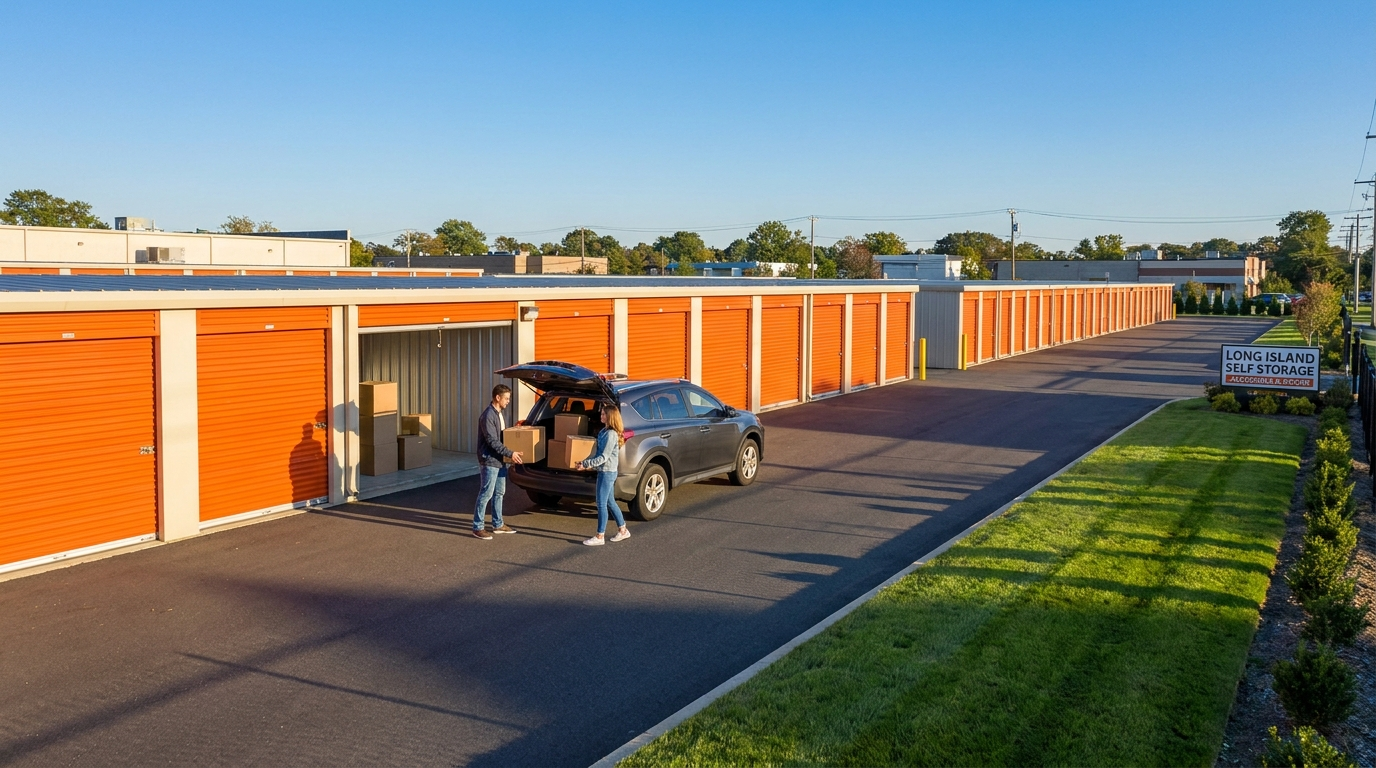
Drive-up units allow you to park directly at your unit door. No elevators, hallways, or dollies required. Loading a couch, mattress, or heavy boxes takes minutes instead of the 30-45 minutes typical for interior climate controlled spaces. For contractors, businesses, or anyone making regular trips, this convenience adds up.
Vehicle and Equipment Access
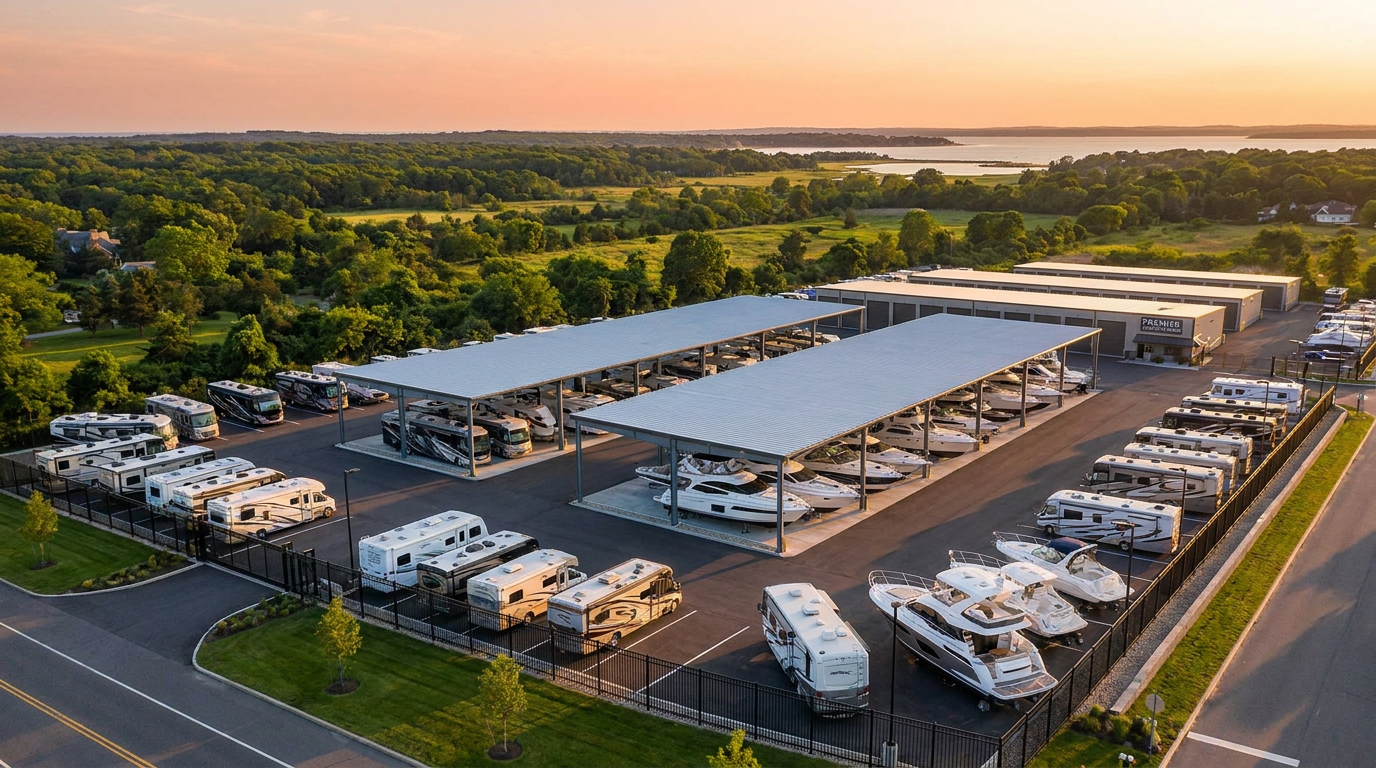
Standard drive-up units accommodate motorcycles, ATVs, lawn tractors, and small boats that cannot fit through interior building doors. A 10x20 drive-up unit stores a small car or multiple recreational vehicles. Our storage unit size guide shows dimensions for each option.
24/7 Access Without Building Hours
Climate controlled facilities often restrict access to building hours (typically 6 AM to 10 PM). Drive-up units at facilities with gate access codes allow true 24/7 entry. Early morning or late night access works for shift workers, business owners, and anyone with unpredictable schedules.
Decision Framework: When to Choose Each Option
Use this framework to determine whether climate control justifies the additional cost for your specific situation. Consider both the items you are storing and how long you plan to keep them in storage.
| Choose Standard Drive-Up If: | Choose Climate Controlled If: |
|---|---|
| Storing for less than 12 months | Storing valuable electronics long-term |
| Items are metal, plastic, or synthetic | Antique wooden furniture or instruments |
| Seasonal items (decorations, sports gear) | Wine, artwork, or archival documents |
| Furniture made from engineered wood | Leather furniture for 12+ months |
| Need frequent access or vehicle storage | Medical equipment or pharmaceuticals |
| Budget is a primary concern | Irreplaceable family heirlooms |
Packing Techniques That Eliminate Climate Control Need
Proper preparation allows standard units to protect items that might otherwise require climate control. These techniques add 15-30 minutes to your packing process but save hundreds annually in storage costs.
Moisture Control Methods
Place silica gel packets (available at hardware stores for $10-15 per pound) inside boxes containing books, documents, or textiles. DampRid containers absorb excess humidity in enclosed spaces. Position these products throughout your unit, replacing every 2-3 months during humid seasons.
Furniture Protection
Wrap wooden furniture in moving blankets, not plastic. Plastic traps moisture against wood surfaces. Blankets allow airflow while protecting from dust and minor temperature swings. Apply furniture polish or wax before storage to seal wood pores.
Electronics Preparation
For electronics stored less than 6 months, original packaging with silica packets provides adequate protection. Remove batteries to prevent corrosion. Store screens face-down on padded surfaces. Wrap cords separately to prevent tangling and stress on connection points.
Clothing and Textile Storage
Wash and completely dry all items before storage. Use vacuum-seal bags for maximum protection against humidity and pests. Cedar blocks deter moths without the chemical residue of mothballs. Store clothing in plastic bins rather than cardboard boxes.
Common Climate Control Myths Exposed
Storage facility marketing often exaggerates climate control necessity. Understanding these myths helps you make informed decisions based on facts rather than fear.
Myth: All Furniture Needs Climate Control
Reality: Modern furniture constructed from MDF, particle board, or laminate tolerates temperature variation well. Only solid hardwood antiques and high-end pieces with veneer benefit significantly from climate control. IKEA furniture, for example, stores safely in standard units.
Myth: Mattresses Require Temperature Regulation
Reality: Mattresses stored clean and dry in protective covers maintain quality in standard units for 1-2 years. The foam and fabric components tolerate Long Island's temperature range. Mold risk comes from storing damp mattresses, not temperature fluctuation.
Myth: Books Always Need Climate Control
Reality: Mass-market paperbacks and modern hardcovers store well in sealed plastic bins for years. Only rare books, first editions, or archival materials require climate controlled conditions. The Go Mini's storage comparison confirms this distinction.
Calculating Your True Storage Costs
When comparing options, factor in total costs over your expected storage duration. A 12-month storage period with climate control for items that do not need it wastes $500-1,500 depending on unit size.
Consider this calculation for a typical household storing during a home renovation:
- 10x15 standard drive-up unit: $345/month x 6 months = $2,070
- 10x15 climate controlled unit: $430/month x 6 months = $2,580
- Savings with standard unit: $510 over six months
That $510 covers moving supplies, a tenant protection plan, and still leaves money for other renovation expenses. For items that truly need climate control, the premium makes sense. For typical household goods, it does not.
Questions to Ask Before Renting Climate Controlled Storage
If a facility recommends climate control, ask these questions to determine whether the recommendation serves your needs or their revenue goals:
- What specific items in my inventory require climate control? Get item-by-item justification.
- What temperature range does your standard unit maintain? Many stay within acceptable ranges.
- Can I see humidity monitoring data for both unit types? Reputable facilities track this.
- What is the actual temperature difference between options? Sometimes it is only 10-15 degrees.
- Do you offer month-to-month leases? Flexibility lets you switch if needed.
Visit our frequently asked questions page for more guidance on choosing the right storage solution.
Making the Smart Choice for Your Situation
Climate controlled storage serves a real purpose for specific items and situations. Electronics, wooden antiques, musical instruments, wine collections, and archival materials benefit from temperature and humidity regulation. For these items, the 25-50% premium provides valuable protection.
However, the majority of household storage needs do not require climate control. Seasonal decorations, general furniture, tools, clothing in sealed containers, and boxed household goods store safely in standard drive-up units. Long Island's moderate coastal climate reduces extreme temperature risks compared to other regions.
The smart approach: inventory your items, identify the 10-15% that might need climate control, and consider whether those items justify the cost premium. Often, proper packing techniques and a quality standard unit provide all the protection you need at significantly lower cost.
For questions about which storage option fits your needs, contact the Moriches Storage team by phone at (631) 874-5306, text, or email. Our locally owned facility serves East Moriches, Center Moriches, Shirley, Mastic, Westhampton, Manorville, and surrounding South Shore communities with flexible month-to-month rentals and 24/7 access.
|